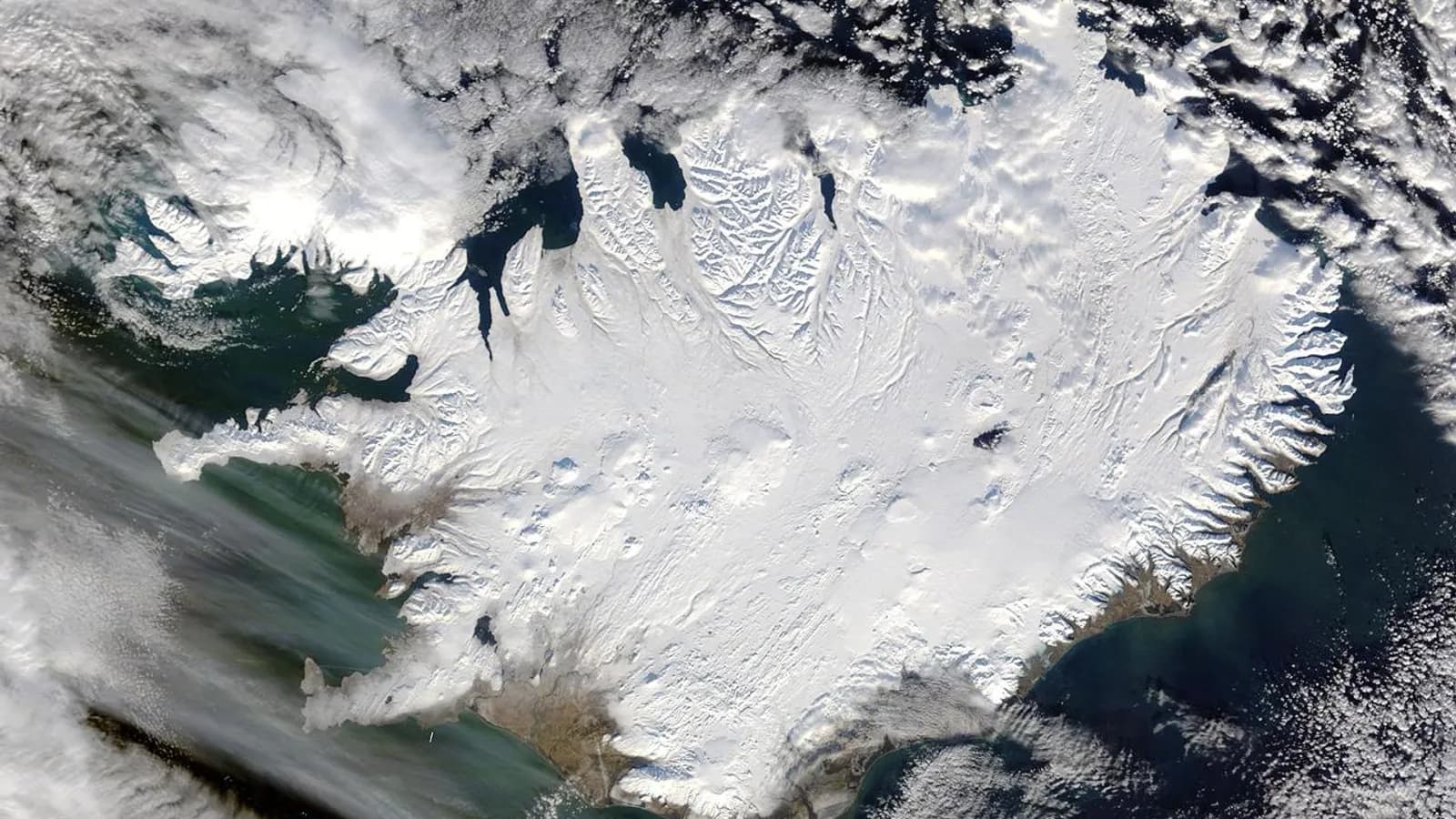
What the weather is like in January
January gets just 4–5 hours of daylight (1.3 hours of actual sun) and the wettest weather of the year (166mm). Aurora-hunting potential is at its absolute peak when skies clear, but Ring Road conditions are unpredictable. F-roads and the Highlands are completely closed.
Averages are five-year Open-Meteo (ERA5) figures for Reykjavík; other parts of Iceland vary. Full sources below.
What to pack for Iceland in January
- Serious winter layers & an insulated coat
- Hat, gloves and thermal base layers
- A packable rain jacket or compact umbrella
What's on in January
- Þorrablót (Mid-winter feast) (Nationwide) — Traditional Viking-era food festival running through Þorri (mid-Jan to mid-Feb). Hákarl (fermented shark), svið (sheep's head), and other challenging dishes. Found at restaurants and community gatherings island-wide.
Is January the right month?
Iceland's best month is July; the toughest is November. See the full month-by-month breakdown for Iceland.
Where to stay in January
January is low season in Iceland: rooms cost less, but the weather is less reliable. A rate you can cancel keeps your options open.
- Reykjavík (city center)$$$Base for Golden Circle + day trips, restaurants, bars
The natural starting and ending point. Walking distance to Hallgrímskirkja, Harpa, the harbor, and most restaurants. Most aurora day-trips depart from Reykjavík hotels.
See Reykjavík (city center) hotels for 12–18 Jan 2027 - South Coast (Vík / Hella / Hvolsvöllur)$$Ring Road segment, Seljalandsfoss/Skógafoss base
Mid-route stop for Ring Road travelers. Vík has the famous Reynisfjara black sand beach. Smaller villages but well-equipped guesthouses and a few standout hotels.
See South Coast (Vík / Hella / Hvolsvöllur) hotels for 12–18 Jan 2027 - Akureyri (North Iceland)$$Mývatn aurora, north Ring Road, less-visited Iceland
"Capital of the north" — second-largest town in Iceland, excellent base for Mývatn (Iceland's aurora hot spot, less light pollution than the south) and the Diamond Circle.
See Akureyri (North Iceland) hotels for 12–18 Jan 2027 - Höfn (Southeast)$$Vatnajökull glacier, Diamond Beach, Jökulsárlón
Small fishing town that's the launching point for the Vatnajökull glacier and Diamond Beach. Famous for langoustine. Limited accommodation — book ahead.
See Höfn (Southeast) hotels for 12–18 Jan 2027
Links open a hotel search for 12–18 Jan 2027; you can change the dates there. We may earn a commission, at no extra cost to you.
Frequently asked questions
Is January a good time to visit Iceland?
January scores 18/100 on the Atlas Ranger Score — "Tough" — which blends weather with crowds and price. January is off-peak in Iceland — fewer crowds and better prices, in exchange for less reliable weather than the July peak.
How warm is Iceland in January?
Expect daytime highs around 1°C (34°F) and overnight lows near -3°C (27°F), with about 1.3 hours of sun a day.
Does it rain in Iceland in January?
January sees roughly 166mm of rain — a wet month; pack proper rain gear.
What should I pack for Iceland in January?
For January, pack: Serious winter layers & an insulated coat; Hat, gloves and thermal base layers; A packable rain jacket or compact umbrella.
Sources
Every claim on this page is backed by an authoritative source. Atlas Ranger synthesizes data from multiple references so you can see exactly where each fact came from.
- Visit Iceland (Official tourism)Used for: Official Iceland tourism guidance, festival timing, regional information
- Open-Meteo Historical Climate Data (ERA5)Used for: Monthly temperature, rainfall, sunshine averages (2020–2024)
- Veðurstofa Íslands (Icelandic Met Office) + road.isUsed for: Live weather warnings, aurora forecasts, road conditions — essential trip planning
- U.S. State Department Iceland Travel AdvisoryUsed for: Independent safety assessment + entry requirement reference
- NOAA Space Weather Prediction CenterUsed for: Live aurora forecast (powers Atlas Ranger's aurora map)
Keep planning