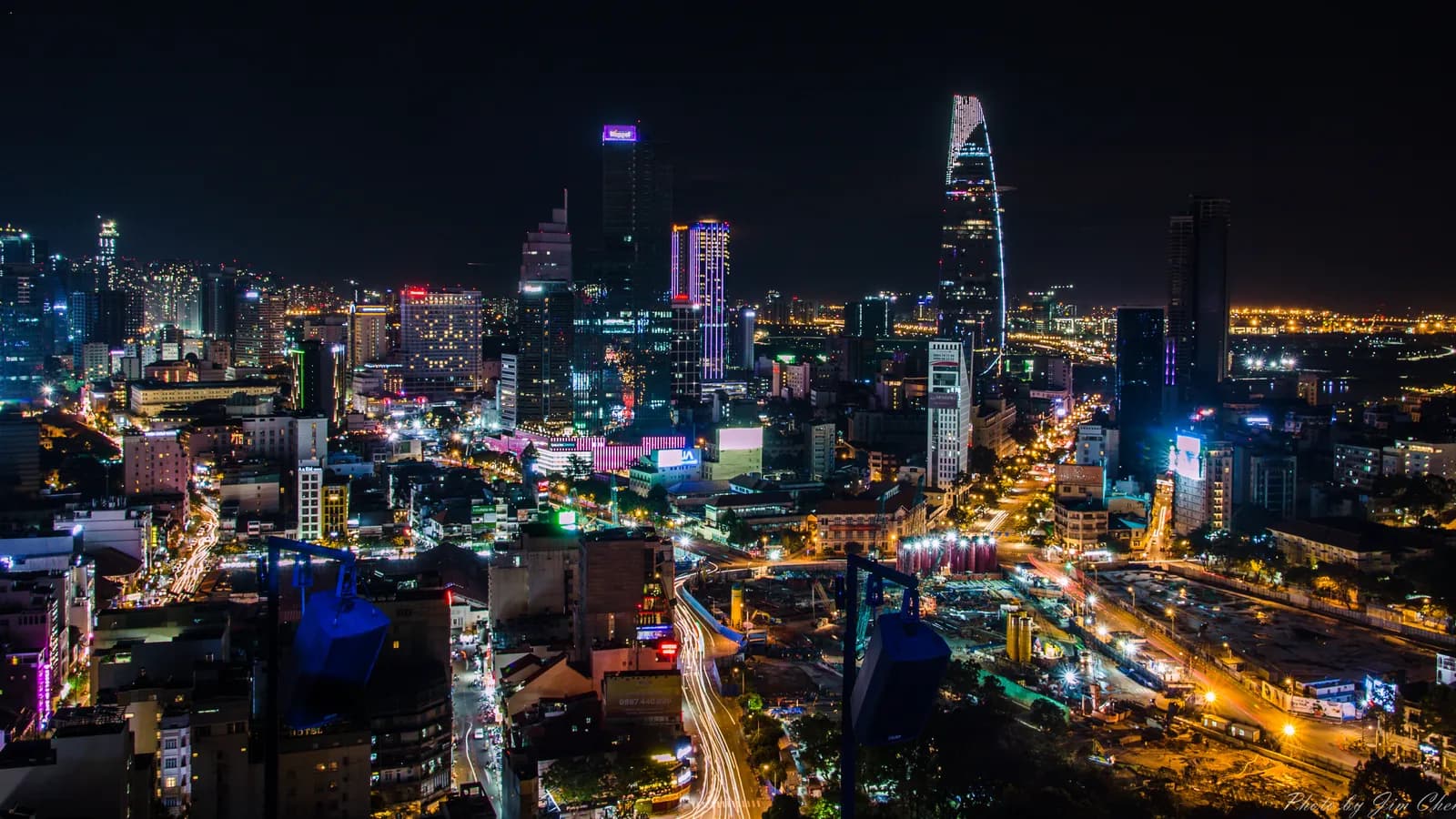
Vietnam has three climate zones — pick the right month for the right region
Most "best time to visit Vietnam" guides treat the country as one weather system. That's wrong. Vietnam stretches 1,650km north to south and crosses three distinct climate zones, each with a different "best" month:
- North Vietnam (Hanoi, Sapa, Halong Bay): cool dry winters (November–April), hot humid summers (May–September) with heavy rain.
- Central Vietnam (Da Nang, Hoi An, Hue): dry season February–May (peak), hot summer June–August, brutal typhoon season September–December (Hoi An floods most years).
- South Vietnam (HCMC, Mekong Delta, Phu Quoc): warm year-round, dry season November–April, southwestern monsoon May–November with daily afternoon storms.
The single window when all three regions are good is November through April — the country-wide dry-and-pleasant stretch most travelers should target.
Best months for a Vietnam-spanning trip
For a 12–16 day north-to-south route, target February through April or November. These months hit all three regions in workable conditions with the central coast (Da Nang, Hoi An) safely past or before its typhoon season.
March is the single best month. Hanoi is comfortably warm at 26°C and dry, the central coast is in peak dry season, and HCMC is hot but workable. November is the close second — north and south are both excellent and Hoi An has usually recovered from October flooding.
When to visit Vietnam to avoid crowds
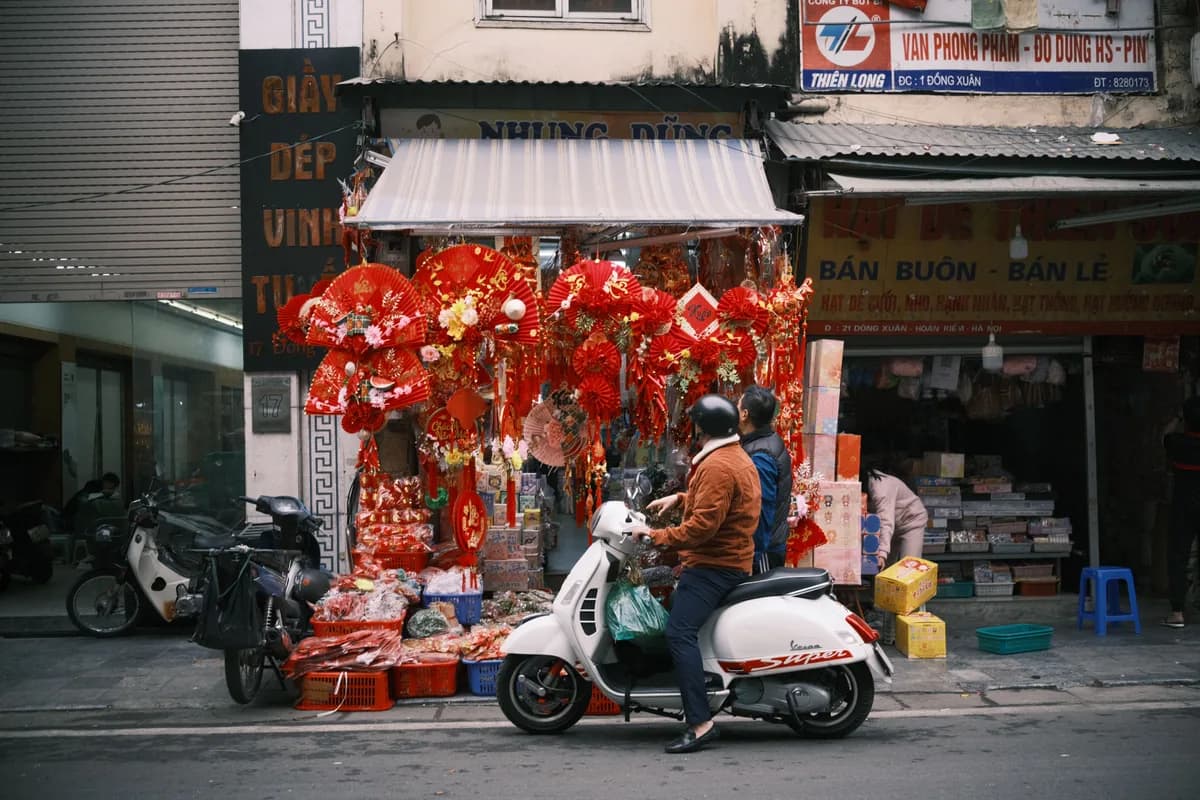
Two crowd peaks: Tet (Lunar New Year, late January or early-mid February — domestic travel surges for a week) and Vietnamese summer school holidays (June–August). Reunification Day (April 30) brings a sharp 3-day domestic surge.
For minimum crowds with maximum weather, target:
- Mid-March — past Tet, before Reunification Day, peak weather across all regions
- Late November — past typhoons in central, before Christmas/New Year price spike
- Mid-May — last reliably dry weeks for central coast, post-Reunification lull
Cheapest time to visit Vietnam
June through September sees the lowest hotel rates and flight prices nationally — the rainy season pushes demand to year-round lows. The catch is heavy rain in Hanoi (320–387mm) and increasingly typhoon risk in central Vietnam by August.
The smartest price-to-experience tradeoff is mid-November (just past typhoon season but before December peak) or late March (post-Tet, pre-summer-heat). Both windows have excellent weather and 20–30% lower prices than peak January.
The wrong months — what goes wrong, and where
September is the worst month for a Vietnam-spanning trip. Hanoi sees its wettest stretch (387mm), and the central coast enters peak typhoon season — Hoi An typically begins flooding. October is nearly as bad for central Vietnam (peak typhoons in Da Nang and Hoi An) but improves rapidly in the north.
If your dates fall in September–October and aren't locked, push to November. If they're fixed, target the north only:
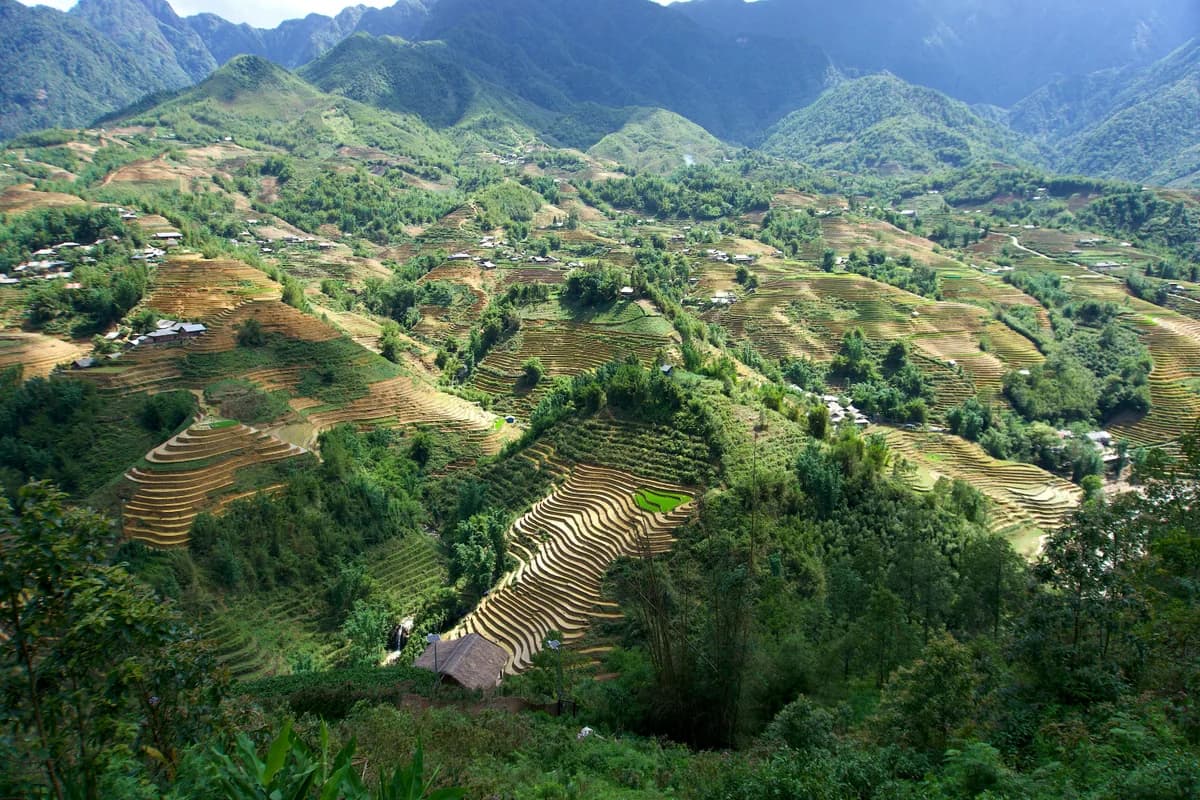
- Sapa in September is genuinely beautiful — terraced rice fields are golden, ready for harvest. Cool mountain weather. The exception that makes the monsoon worth it.
- Hanoi + Halong Bay works in late October as the north dries fast while the central coast is still flooding.
Things to know before visiting Vietnam
Most travelers underestimate Vietnam time. 12–16 days is the sweet spot for a country-spanning trip:
- 3 nights Hanoi (+ 2 nights Halong Bay)
- 3 nights Hoi An (+ Da Nang day trip — see our Hoi An guide and Da Nang guide)
- 2 nights Hue (imperial capital)
- 3 nights HCMC (+ Mekong Delta day trip)
- Add 3–4 days for Sapa or Phu Quoc
Getting around: Domestic flights are cheap and fast (VietJet, Vietnam Airlines, Bamboo Airways) — most travelers fly Hanoi → Da Nang → HCMC. Sleeper trains are a slower romantic alternative (Reunification Express).
Money: Vietnamese Dong (VND). Cards accepted at hotels and tourist restaurants but cash strongly preferred at street food and small shops. Use Grab for all city transport.
Safety:Vietnam is one of Southeast Asia's safer destinations. Real risks: motorbike accidents (chaotic traffic, especially HCMC), occasional drive-by phone snatching in tourist areas, and tropical health issues. See the U.S. State Department travel advisory for Vietnam for current entry requirements.
Festivals worth planning around (or against)
Vietnam's big single festival is Tết (Lunar New Year, late January or early-mid February). The country effectively shuts for a week — domestic flights and trains book out months ahead, prices spike, many small restaurants and shops close as families return home. If you want the cultural spectacle (lanterns, dragon dances, ancestral rituals), arrive before Tết starts. If you want a normal travel experience, wait until two weeks after.
Other dates worth knowing: Reunification Day (April 30) + Labour Day (May 1) creates a sharp 3-day domestic surge. Mid-Autumn Festival(eighth lunar month, usually September) is the second-biggest cultural event — Hoi An is the place to see it, with the Old Town fully lit by lanterns. Hoi An's full-moon lantern festival happens monthly on the 14th of the lunar calendar and is worth timing a visit around any month of the year.
The honest verdict
Vietnam is one of Asia's defining travel countries — a 1,650km cultural arc with food density, history, and landscapes that punch well above its budget profile. The right time to visit depends entirely on your route. For a country-spanning trip, target February through April or November. For specific regions, our city-level guides cover the local nuances:
Your Vietnam cheat sheet
One email with the whole year in it — and the questions that actually change a trip there, answered.
- All 12 months scored 0–100
- The months to book, and the ones to skip
- The questions that change the plan, answered
- Plus the Travel Timing Calendar 2027: every destination, every month (PDF)
We'll email you your cheat sheet with the Travel Timing Calendar, plus occasional travel-timing guides. Unsubscribe anytime; see our privacy policy.
The year at a glance
Twelve months, three seasons
Each cell is one month. Lemon means peak, sky means shoulder, gray means avoid. The outlined cell is the current month.
Atlas Ranger Score · proprietary
When Vietnam scores best, month by month
Our transparent 0–100 score blends weather comfort, crowds, value and festivals into one number per month. How it's calculated →
- Best monthMarch 81
- Best valueApril 74 off-peak
- ToughestSeptember 42
See how Vietnam ranks against every destination on the Best Time to Travel leaderboard →
Explore the map
Every city, every month
Drag the month scrubber, hover any city, read the headline for that window.
Conditions right now
Right now in Vietnam: 20°C, clear sky, air quality moderate (US AQI 86).
Updated Oct 7, 5:00 AM · Live data from Open-Meteo
Vietnam vs Nearby Destinations
vs Thailand
Pick Vietnam for a culture-heavy linear trip (north→south arc, ~2 weeks). Pick Thailand for beaches + nightlife with shorter flights from Europe. Vietnam is slightly cheaper and less touristy; Thailand has more developed beach destinations. Both work well as a first SE Asia trip — many travelers do one then the other.
vs Cambodia
Vietnam is bigger, more diverse, and has more developed infrastructure. Cambodia is shorter (3–5 days for Angkor + Phnom Penh) and pairs well with a Vietnam trip — many travelers add 4 days in Siem Reap to a Vietnam itinerary.
Where to stay in Vietnam
- Hanoi (Old Quarter)$$Northern arrival, history + street food
Capital, gateway to Halong Bay + Sapa. Stay in the Old Quarter (36 Streets) for walking-distance street food and the Hoan Kiem Lake area.
Check Hanoi (Old Quarter) prices → - Hoi An (Old Town fringe)$$Central coast, lantern atmosphere, tailoring
Best base for central Vietnam — lantern-lit Old Town + An Bang beach + Da Nang day trips. See our Hoi An best-time guide.
Check Hoi An (Old Town fringe) prices → - Da Nang (My An / An Thuong)$$Beach + infrastructure, modern hotels
Beach base 30 min north of Hoi An, with airport, Marble Mountains, and Ba Na Hills. See our Da Nang best-time guide.
Check Da Nang (My An / An Thuong) prices → - Ho Chi Minh City (District 1)$$Southern arrival, food, Mekong Delta launchpad
Vietnam's commercial heart. District 1 puts you near Ben Thanh Market, the Reunification Palace, and the best rooftop bars. Mekong Delta day trips depart from here.
Check Ho Chi Minh City (District 1) prices →
Vietnam in pictures

Frequently asked questions
What is the best month to visit Vietnam?
What is the worst month to visit Vietnam?
When is the rainy season in Vietnam?
How many days do you need in Vietnam?
Is Vietnam safe for tourists?
Should I visit Vietnam or Thailand?
When is the cheapest time to visit Vietnam?
Keep planning
Plan your Vietnam trip
Sources
Every claim on this page is backed by an authoritative source. Atlas Ranger synthesizes data from multiple references so you can see exactly where each fact came from.
- Vietnam National Administration of TourismUsed for: Official tourism guidance, festival timing, regional travel intel
- Open-Meteo Historical Climate Data (ERA5)Used for: Monthly temperature, rainfall, sunshine averages (2020–2024) — Hanoi as national proxy
- U.S. State Department Vietnam Travel AdvisoryUsed for: Independent safety assessment + entry requirement reference
- NOAA Joint Typhoon Warning CenterUsed for: Typhoon track records and seasonality for the Vietnamese coast