
Spain is three countries climate-wise — Atlantic north, interior, and Mediterranean
Spain looks small on a map but spans three genuinely different climate zones. Each runs on its own seasonal calendar, and treating the country as one weather system is the single biggest planning mistake first-time visitors make:
- Continental interior (Madrid, Toledo, Seville, Granada): cold winters (Madrid hits frost), brutal summers (35–40°C+ in interior Andalusia), excellent in April–June and September–October.
- Mediterranean coast + Balearics (Barcelona, Valencia, Ibiza, Mallorca): mild winters (15°C), hot summers (30°C), beach season May–October. Balearic venues mostly closed November–March.
- Atlantic north (Bilbao, San Sebastián, Galicia): cool wet weather year-round, rarely above 25°C even in August. The smart summer escape from interior heat.
The country-spanning sweet spot is April through June and September through October — all three regions are workable, the major festivals (Semana Santa, San Isidro, wine harvest) fall in these windows, and prices are 20–30% below July–August peak.
Best months for a Spain-spanning trip
For a 10–14 day Madrid + Andalusia + Barcelona trip, target May, June, or September. June is the single best month — Madrid comfortably warm at 30°C and very dry, Andalusia hot but pre-extreme-summer, the Mediterranean coast at the start of beach season without peak crowds, and the Balearics open with manageable prices.
September is the close second — the smartest month for many travelers. Madrid drops to a comfortable 27°C, the Mediterranean sea is at its warmest of the year, European school holidays end so crowds fade, and prices fall 25–35% from August. Wine harvest in La Rioja.
When to visit Spain to avoid crowds
Three crowd peaks worth knowing about. Semana Santa (Holy Week — late March or April) — Seville books out 6+ months ahead. European summer (mid-July through August) — Mediterranean coast and Balearics packed, prices peak. Christmas/New Year (December 22 through January 6) — Madrid Puerta del Sol on NYE is a major event.
For minimum crowds with peak weather, target:
- Late May — past Semana Santa, before European summer surge, peak weather everywhere
- Mid-September — after European school holidays end, Mediterranean sea warmest of the year, Madrid pleasantly cooled
- Early October — last warm month, Balearics still open, Andalusia at peak again
Cheapest time to visit Spain
November through February sees the lowest hotel rates and flight prices nationally — flights drop 30–50% from peak. The catch: Atlantic north is cold and wet, Madrid is cold, and Balearic beach venues are mostly closed.
The smartest price-to-experience tradeoff is late February (almond blossom in Andalusia and Mallorca, virtually no other tourists) or mid-November (Madrid, Barcelona, Seville city breaks at 30% lower prices than peak). Andalusia in winter is a genuine sleeper choice — mild days, cheap, and you have the Alhambra largely to yourself.
The wrong months — what goes wrong, and where
July and August in interior Spain are genuinely difficult. Madrid hits 35°C regularly, Seville and Córdoba routinely exceed 40°C, locals leave for the coast, and many restaurants close for vacation. Spanish heatwaves now break records most years. If your dates fall here, restrict the trip to the Atlantic north (Bilbao, San Sebastián, Galicia) or the Mediterranean coast.
January in the Atlantic north (Bilbao, Galicia) is cold, wet, and grey for weeks at a time. Manageable for city breaks, but not what most travelers picture when they imagine Spain.
Balearic islands November through March — most beach venues, restaurants, and ferries close. Workable for cultural visits to Palma de Mallorca, but not a beach trip.
Things to know before visiting Spain
Most travelers underestimate Spanish distances. 10–14 days is the sweet spot for a country-spanning trip:
- 3 nights Madrid (+ Toledo or Segovia day trip)
- 3 nights Seville (+ Granada or Córdoba day trip)
- 3 nights Barcelona
- 2–3 nights coast or Balearics (May–Oct only — see our Ibiza guide and Mallorca guide)
- Add 3 nights for Atlantic north (Bilbao + San Sebastián for food)
Visa: Schengen — 90 days for EU/UK/US/Canada/Australia and most other nationalities. ETIAS pre-authorization for non-EU visitors expected to launch late 2026.
Getting around:Spain's AVE high-speed rail is excellent — Madrid to Barcelona in 2.5 hours, Madrid to Seville in 2.5 hours. Book on Renfe well ahead for cheaper prices. Domestic flights (Iberia, Vueling) cover the islands. Driving works in Andalusia and the north but not central cities.
Money: Euro (EUR). Cards accepted nearly everywhere; tap-to-pay ubiquitous. Cash useful for small bars and Andalusian villages. Spain runs late — lunch at 2pm, dinner at 9–10pm, nightlife after midnight.
Safety:Spain is one of Europe's safer countries. The biggest real risks are pickpockets in Barcelona's Las Ramblas and Madrid's major squares (very common — keep valuables in a cross-body bag, never in back pockets), occasional drink-spiking in Magaluf nightlife, and summer wildfires in southern interior. See the U.S. State Department travel advisory for Spain for current entry requirements.
The honest verdict
Spain is one of Europe's most rewarding countries for value-conscious travelers — cheaper than France or Italy, with three distinct regional cultures, world-class food (Basque, Andalusian, Catalan), and a beach-and-city flexibility most European destinations can't match. The right time depends on your route. For a country-spanning trip, target April through June or September through October. For Balearic island trips, our existing guides cover the seasonality nuances:
Your Spain cheat sheet
One email with the whole year in it — and the questions that actually change a trip there, answered.
- All 12 months scored 0–100
- The months to book, and the ones to skip
- The questions that change the plan, answered
- Plus the Travel Timing Calendar 2027: every destination, every month (PDF)
We'll email you your cheat sheet with the Travel Timing Calendar, plus occasional travel-timing guides. Unsubscribe anytime; see our privacy policy.
The year at a glance
Twelve months, three seasons
Each cell is one month. Lemon means peak, sky means shoulder, gray means avoid. The outlined cell is the current month.
Atlas Ranger Score · proprietary
When Spain scores best, month by month
Our transparent 0–100 score blends weather comfort, crowds, value and festivals into one number per month. How it's calculated →
- Best monthJune 79
- Best valueNovember 63 off-peak
- ToughestJuly 72
See how Spain ranks against every destination on the Best Time to Travel leaderboard →
Explore the map
Every city, every month
Drag the month scrubber, hover any city, read the headline for that window.
Conditions right now
Right now in Spain: 16°C, thunderstorm, air quality moderate (US AQI 59).
Updated Oct 7, 12:30 AM · Live data from Open-Meteo
Spain vs Nearby Destinations
vs Italy
Pick Spain for warmer weather, lower prices, and beach variety. Pick Italy for historical density and the iconic city trio (Rome, Florence, Venice). Many travelers do both as a 3-week southern Europe trip — Spain first because it's cheaper and a softer cultural learning curve.
vs Portugal
Portugal is smaller, cheaper, more compact, and pairs naturally with a Spain trip — many travelers add 4–5 days in Lisbon + Porto from Madrid or Seville. Portugal has better Atlantic beaches and the Algarve; Spain has more cultural depth and the Mediterranean.
Where to stay in Spain
- Madrid (Centro / Sol / La Latina)$$Cultural arrival, food, transit hub
Sol/Centro for Plaza Mayor + walking access. La Latina for tapas crawls. Salamanca for shopping. Avoid Gran Vía in summer — too hot, too touristy.
Check Madrid (Centro / Sol / La Latina) prices → - Seville (Santa Cruz / Triana)$$Andalusian culture, Semana Santa
Santa Cruz for Cathedral access + walking. Triana across the river for flamenco and tapas. Book Semana Santa 6+ months ahead.
Check Seville (Santa Cruz / Triana) prices → - Barcelona (Gothic / Eixample)$$$Mediterranean city break, Gaudí, beach access
Gothic Quarter for atmosphere + walking. Eixample for Sagrada Familia + grid streets. Avoid La Rambla itself for sleeping — touristy and pickpocket-heavy.
Check Barcelona (Gothic / Eixample) prices → - Balearic Islands (Ibiza / Mallorca)$$$Beach trips May–October
See our Ibiza and Mallorca best-time guides. Closed November–March. Ibiza for nightlife, Mallorca for variety.
Check Balearic Islands (Ibiza / Mallorca) prices →
Things to do in Spain
Self-guided tours and skip-the-line tickets you can book ahead.






Tours & tickets via WeGoTrip — we may earn a commission, at no extra cost to you.
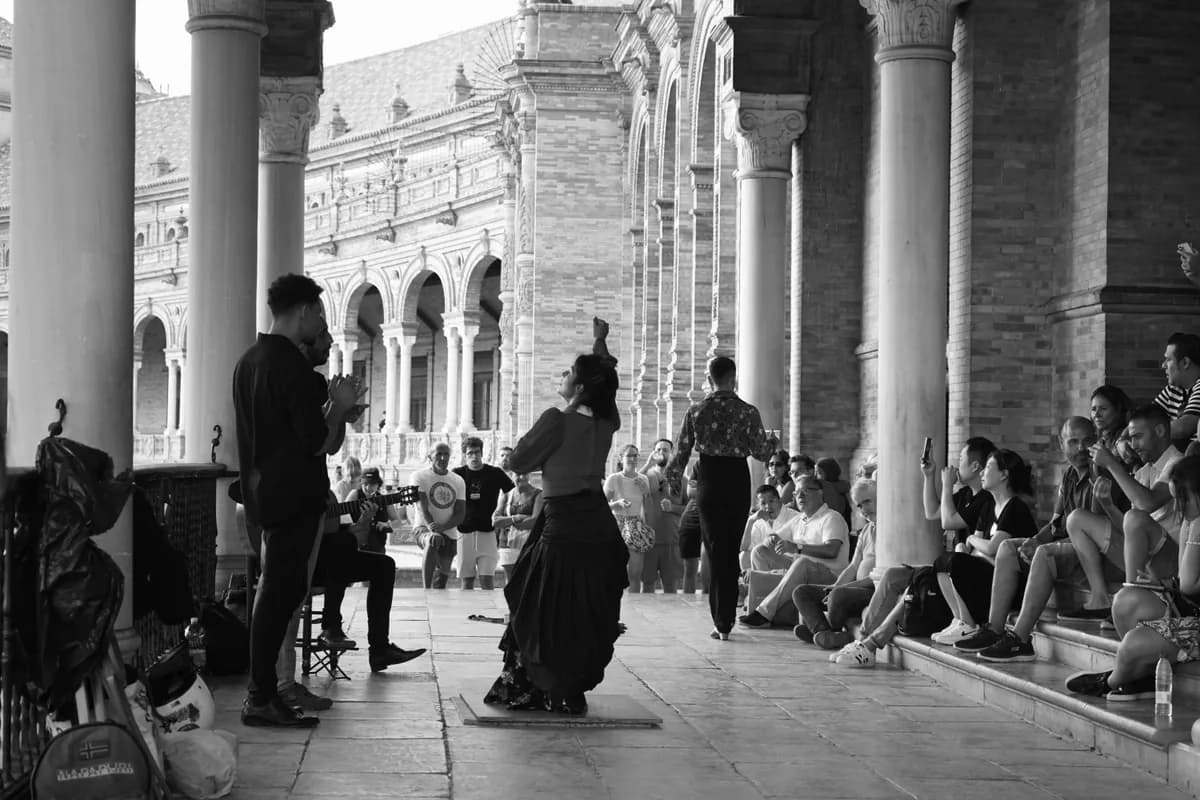
Spain in pictures


Frequently asked questions
What is the best month to visit Spain?
What is the worst month to visit Spain?
When is the rainy season in Spain?
How many days do you need in Spain?
Is Spain safe for tourists?
Should I visit Spain or Italy?
When is the cheapest time to visit Spain?
Keep planning
Plan your Spain trip
Sources
Every claim on this page is backed by an authoritative source. Atlas Ranger synthesizes data from multiple references so you can see exactly where each fact came from.
- Turespaña — Spain Official TourismUsed for: Official tourism guidance, festival timing, regional travel intel
- Open-Meteo Historical Climate Data (ERA5)Used for: Monthly temperature, rainfall, sunshine averages (2020–2024) — Madrid as national proxy
- U.S. State Department Spain Travel AdvisoryUsed for: Independent safety assessment + entry requirement reference
- AEMET (Agencia Estatal de Meteorología)Used for: Spain's national meteorological service — climate normals cross-reference