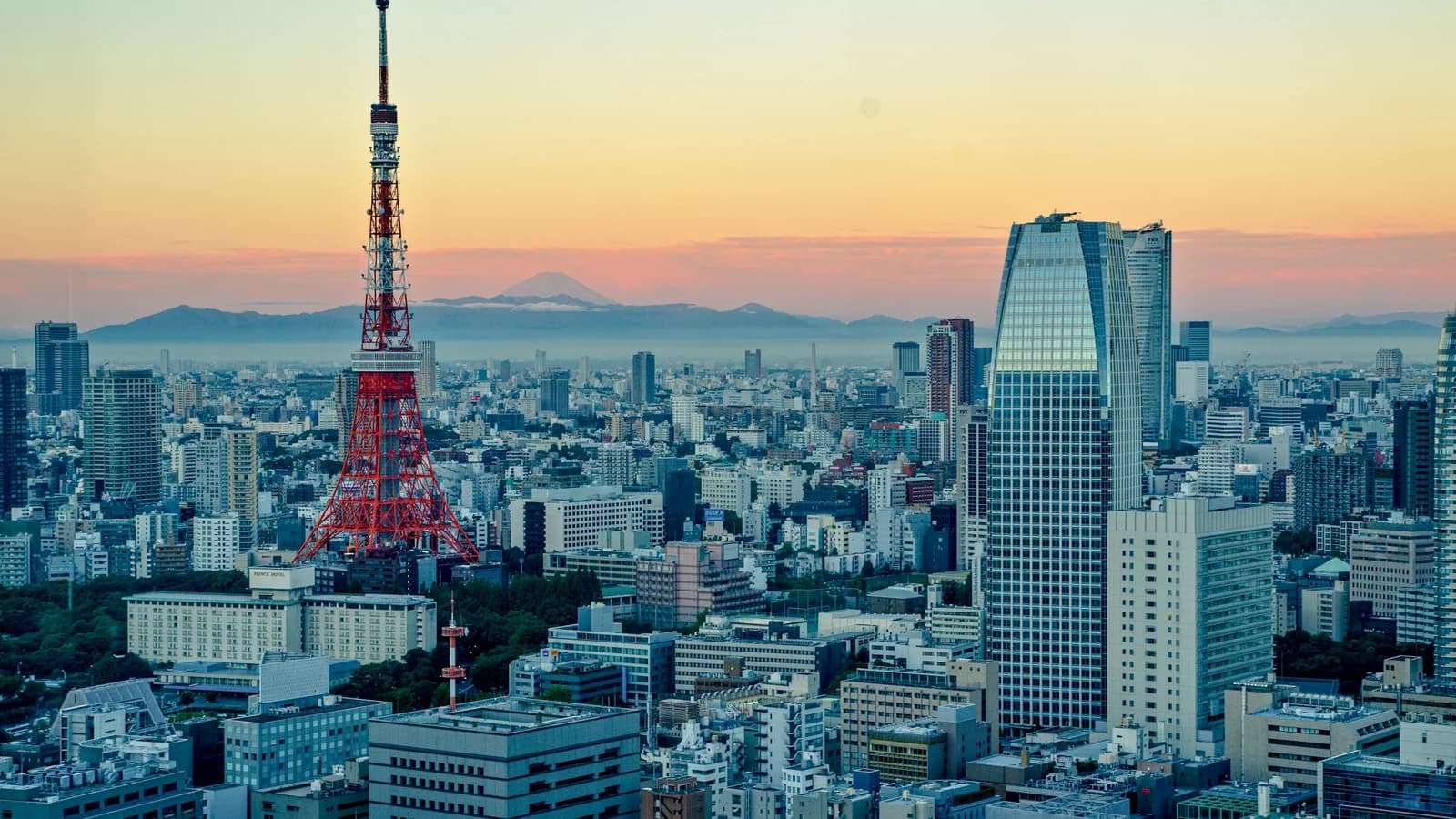
The short answer for first-timers
Tokyo's two great windows are spring (late March through mid-May) and autumn (late October through late November) — both feature dry, mild weather with clear skies. If you can only pick one, November narrowly beats April for most travelers: koyo autumn leaves peak Nov 20-30, daytime temperatures sit at a perfect 17°C, hotel availability is dramatically better, and prices run roughly half what you'll pay during cherry blossom week.
That said — there is no substitute for cherry blossoms. If sakura is the reason you're coming, target April 1-7 (Tokyo's typical mankai full-bloom window) and book accommodation by November of the prior year. Hotel prices run 2-3x normal within 5 km of Ueno Park, Meguro River, and the other iconic hanami spots, and ryokan in Asakusa fill earliest.
Cherry blossom timing for 2026
Tokyo's cherry blossom front typically opens (kaika, first bloom) between March 22 and March 26, with full bloom (mankai) reached about a week later — meaning the peak viewing window is usually March 28 through April 7. The actual peak shifts ±5 days year-to-year based on winter temperatures; warmer winters bring earlier bloom. For real-time 2026 forecasts updated from JMA bulletins as the season approaches, see our 2026 cherry blossom forecast page and the interactive bloom tracker (22 cities, date scrubber).
The Tokyo viewing pattern: Ueno Park is the largest hanami party (and the most crowded); Meguro River at night, lit up under pink canopies, is the most-photographed; Shinjuku Gyoen is the most refined (entry fee keeps party energy down); Chidorigafuchi rents boats for the canal-side view. Late-blooming yae-zakura at Ninna-ji extend the visual season another week into mid-April.
Autumn (koyo) — the underrated peak
November in Tokyo is genuinely excellent and consistently underused by first-time visitors who default to spring. The numbers favor it: 17°C daytime highs vs April's 19°C (close enough), 96mm of rainfall vs April's 134mm (drier), 6 hours of sun vs spring's 6(same), and the year's clearest skies thanks to Pacific high-pressure dominance.
The signature spots: Rikugien Garden (Special Place of Scenic Beauty) does evening illuminations through late November, Mt. Takao is the most popular leaf-hike day-trip from Shinjuku (1 hour each way), Meiji Jingu Gaien's gingko-tree avenue turns bright yellow late November, and Shinjuku Gyoen offers a quieter alternative within the city. Add Nikko (2-3 hours north) for the koyo wave 2 weeks earlier — peak there is usually late October.
When to avoid Tokyo (and why)
August is the single worst month. Daytime highs of 31°C with 75%+ humidity push the heat index past 38°C — sightseeing becomes punishing by 10am. On top of that, Obon (August 13-15) is the major nationwide ancestor-honoring period: shinkansen tickets and flights to/from regional Japan book up weeks ahead, businesses partially close, and central Tokyo (while open) feels half-staffed. If your dates fall mid-August, lean into the festivals (Sumida fireworks, Mitama Matsuri, neighborhood bon-odori) and accept that 2pm-5pm is air-conditioned-museum time.
September is the second-worst month for a different reason:peak typhoon season for the Kanto region, and Tokyo's wettest month at 209mm. Storms periodically track across central Honshu, disrupting flights at Narita/Haneda and shutting down sightseeing for 1-2 days at a time. Travel insurance with weather coverage is genuinely useful for September arrivals.
The cheapest time to visit Tokyo
January (after January 4) and February are the cheapest months — coldest weather, lowest tourist crowds, and hotel rates often 40-50% below cherry blossom peaks. Two practical advantages travelers underestimate: Mt. Fuji is at its clearest in winter (the Pacific high-pressure system pushes haze south), and ski day-trips from Tokyo to Karuizawa or Gala Yuzawa are possible by shinkansen.
June is the next-best price discount with milder weather. Tsuyu (rainy season) deters crowds without delivering tropical-style downpours — most rain is overnight or morning drizzle. Hydrangea bloom at Hakusan Shrine and at Hasedera in Kamakura (1 hour south by train) is the quiet seasonal highlight. Budget travelers can save 30-40% on hotel rates for similar daytime tourism quality.
Booking + practical timing
Book 6+ months ahead for cherry blossom dates. By December of the prior year, central Tokyo hotels (Shinjuku, Shibuya, Ginza) within walking distance of major hanami spots are largely sold out for the April 1-7 window. By February, prices on remaining inventory typically run 2-3x normal. The same applies (slightly less severely) to the koyo peak: book by August for late-November stays.
Golden Week (April 29 - May 5)is the year's biggest domestic travel surge. Hotel rates spike, train tickets sell out, and rural day-trip destinations (Hakone, Kamakura, Nikko) become packed. If your dates overlap Golden Week, either embrace it (it's lively and well-organized) or anchor in central Tokyo and avoid long-distance trains. Post-Golden Week (May 6 onwards) is one of the best weeks of the year for crowd-to-weather ratio.
For Mt. Fuji visibility: best months are December through February (clearest air), with November close behind. Worst months for seeing Fuji: June through September (haze + cloud). If Fuji is on your list, prioritize winter visits or build flexibility into your Hakone/Kawaguchiko day-trip.
Day trips by season
Tokyo radiates excellent day trips, and seasonality matters:
- Hakone (1.5h south): year-round onsen and Fuji views, peak koyo late November, cherry blossom early April. Avoid Golden Week — the Hakone Loop is notoriously packed.
- Kamakura (1h south): hydrangeas at Hasedera and Meigetsu-in peak mid-June (the rainy-season highlight). Year-round Daibutsu (Great Buddha) and beach.
- Nikko (2h north): koyo peaks 2 weeks earlier than Tokyo (late October). Toshogu Shrine year-round. Avoid winter unless prepared for snow.
- Karuizawa (1h NW shinkansen): summer escape for Tokyoites (12°C cooler than central Tokyo in August). Skiing December-February at neighboring resorts.
- Mt. Takao (1h from Shinjuku): the most popular koyo day-hike, accessible by subway + Keio line. November weekends are crowded; weekdays are excellent.
The honest verdict
Tokyo rewards every season with something distinctive — even the difficult months have their festivals (July fireworks, August Obon bon-odori, September late-summer matsuri) and the difficult conditions are at least predictable. The real question is which version of Tokyo you want.
Spring Tokyois iconic but commodified — cherry blossoms are every-influencer-on-Instagram, hotel rates are the year's peak, and you'll share every hanami spot with thousands of people. Autumn Tokyo is the same city with similar weather, better availability, and the quiet dignity of koyo instead of the party energy of sakura. Winter Tokyois the locals' Tokyo — clear views of Fuji, illuminations everywhere, the lowest crowds of the year.
For most first-time visitors, the answer is: visit in November, then come back for cherry blossoms once you know the city. For those who can only do one trip ever, April is the answer — but block out two full days for hanami and accept the cost.
Your Tokyo cheat sheet
One email with the whole year in it — and the questions that actually change a trip there, answered.
- All 12 months scored 0–100
- The months to book, and the ones to skip
- The questions that change the plan, answered
- Plus the Travel Timing Calendar 2027: every destination, every month (PDF)
We'll email you your cheat sheet with the Travel Timing Calendar, plus occasional travel-timing guides. Unsubscribe anytime; see our privacy policy.
The year at a glance
Twelve months, three seasons
Each cell is one month. Lemon means peak, sky means shoulder, gray means avoid. The outlined cell is the current month.
Atlas Ranger Score · proprietary
When Tokyo scores best, month by month
Our transparent 0–100 score blends weather comfort, crowds, value and festivals into one number per month. How it's calculated →
- Best monthApril 59
- Best valueJune 67 off-peak
- ToughestAugust 59
See how Tokyo ranks against every destination on the Best Time to Travel leaderboard →
Explore the map
Every city, every month
Drag the month scrubber, hover any city, read the headline for that window.
Conditions right now
Right now in Tokyo: 18°C, clear sky, air quality moderate (US AQI 67).
Updated Oct 7, 9:30 PM · Live data from Open-Meteo
Tracking now · NASA EONET
Storms near Tokyo right now
One named storm is being tracked within 1,000km of Tokyo right now.
- Super Typhoon Choi-wan880km E of here, winds 75ktJoint Typhoon Warning Center →
Positions are the latest fixes NASA EONET has published, at Oct 6, 6:00 PM UTC, not a forecast of where anything is heading. For warnings and advice, use the official source linked beside each event.
Tokyo vs Nearby Destinations
vs Kyoto
Visit both — they're 2 hours apart on the shinkansen and complement each other. Pick Tokyo for modern Japan, food density, and urban energy. Pick Kyoto for temples, gardens, and traditional culture. Most travelers spend 4-5 days in Tokyo, then 3-4 days in Kyoto.
vs Osaka
Tokyo and Osaka are Japan's two largest cities but they feel different. Tokyo is more polished, more international, more diverse neighborhoods. Osaka is more food-focused, more casual, more boisterous — and roughly 20% cheaper. As a base for the Kansai region (Kyoto, Nara, Kobe), Osaka edges Kyoto for budget travelers.
vs Okinawa
Different climate, different culture, different trip entirely. Tokyo is humid subtropical urban Japan; Okinawa is full subtropical island Japan. If you're trying to escape Tokyo's August heat, Okinawa is hotter and has typhoon risk — Hokkaido is the actual cool-summer escape. Combine Tokyo + Okinawa across different seasons (Tokyo in April or November, Okinawa in May or October).
Where to stay in Tokyo
- Shinjuku$$First-time visitors, transport access, nightlife
Tokyo's main rail hub — JR Yamanote, multiple subway lines, direct trains to Narita and Haneda. Walking distance to Shinjuku Gyoen (cherry blossoms), Kabukicho (nightlife), and Omoide Yokocho (yakitori alleys). Hotel density highest in the city.
Check Shinjuku prices → - Shibuya$$Younger travelers, retail, food + drink
Energy + retail center for under-35s. Shibuya Crossing, depachika food halls at Hikarie + Scramble Square, dense restaurant + bar scene. Slightly less subway connectivity than Shinjuku but still excellent.
Check Shibuya prices → - Ginza$$$Luxury travelers, central access, refined dining
Tokyo's flagship luxury district — flagship department stores (Mitsukoshi, Wako), Michelin restaurants, art galleries. Walking distance to Tsukiji outer market, the Imperial Palace, and Tokyo Station. Slower nightlife, refined feel.
Check Ginza prices → - Asakusa$Traditional atmosphere, budget hotels, day-trippers
Old-Tokyo (shitamachi) feel. Senso-ji temple, Nakamise shopping street, traditional ryokan. Cheaper than central Tokyo by 20-30%. Direct train to Narita Airport in 60 minutes. Best for budget-conscious first-timers prioritising atmosphere.
Check Asakusa prices → - Tokyo Bay (Odaiba / Toyosu)$$Families, views, modern resort feel
Reclaimed-island districts on Tokyo Bay. Toyosu fish market (replacement for Tsukiji), TeamLab Planets, Odaiba beach. Less central but quieter, more family-friendly, with bay views from many hotels.
Check Tokyo Bay (Odaiba / Toyosu) prices →
Plan around the sights
Tokyo, spot by spot
8 places most visits are built around, with the hotels a short walk from each, the nearest station, and tours or tickets. Tap a number on the map to jump to it.
Hotels, stations and halal tags: © OpenStreetMap contributors (ODbL), as of 2026-10-06. Distances are in a straight line from each spot.
Sensō-ji
Free to enterTokyo's oldest temple, in Asakusa, reached through the Kaminarimon gate and the Nakamise shopping street.
Nearest station: Asakusa, 330 m
Stay within walking distance
- OTHER SPACE Asakusa210 mCheck prices
- Richmond Hotel Asakusa210 mCheck prices
Tagged halal nearby: Sukiyaki KAWASHINA (520 m), Spice Jaya (830 m). Confirm with the restaurant before you go.
Tokyo Skytree
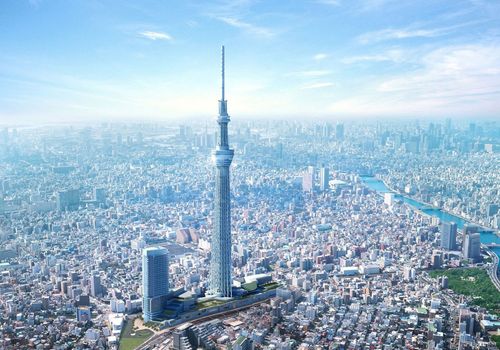
TicketedThe 634 m broadcast tower in Sumida, with observation decks at 350 m and 450 m.
Nearest station: Tokyo Skytree, 80 m
Stay within walking distance
- Section L Residence Asakusa East540 mCheck prices
Ueno Park
Free to enterA large park holding several of Tokyo’s major museums, with a long avenue of cherry trees.
Nearest station: Keisei-Ueno, 260 m
Stay within walking distance
- Hotel Kangetsuso220 mCheck prices
- Centurion Hotel Ueno430 mCheck prices
Tagged halal nearby: Vege Herb Saga (790 m), Eusa Halal Mart (810 m), Spicy Food Network (870 m). Confirm with the restaurant before you go.
Imperial Palace East Gardens
Free to enterThe public part of the Imperial Palace grounds, on the site of Edo Castle’s inner circles.
Nearest station: Takebashi, 310 m
Stay within walking distance
- Palace Hotel Tokyo470 mCheck prices
Tokyo Tower
TicketedThe 333 m red-and-white tower in Minato, with a main deck at 150 m.
Nearest station: Akabanebashi, 420 m
Stay within walking distance
- Tokyo Prince Hotel220 mCheck prices
- Shiba Park Hotel580 mCheck prices
Shinjuku Gyoen
Small entry feeA national garden with Japanese, English and French landscape sections, and one of the city’s main cherry-blossom spots.
Nearest station: Shinjuku-gyoemmae, 160 m
Stay within walking distance
- Tokyu Stay Shinjuku580 mCheck prices
- Hotel Listel Shinjuku640 mCheck prices
Meiji Jingū
Free to enterA Shinto shrine set deep in a large forested park; the main entrance is beside Harajuku Station.
Station: Harajuku, at the main entrance
Shibuya Crossing
FreeThe scramble crossing outside Shibuya Station, at its busiest in the evening rush.
Nearest station: Shibuya, 130 m
Stay within walking distance
- Shibuya Excel Hotel Tokyu120 mCheck prices
- The Millennials Shibuya310 mCheck prices
- Cerulean Tower Tokyu Hotel370 mCheck prices
Tagged halal nearby: Andhra Dining SHIBUYA (360 m), Namaste Indian Asian Dining (840 m). Confirm with the restaurant before you go.
Partner links. We may earn a commission, at no extra cost to you.
Before you go
Book the rest of your Tokyo trip
Tours and tickets
Day trips, attraction tickets and guided tours in Tokyo.
Browse Tokyo on KlookAirport transfer
A fixed-price car from Tokyo Haneda Airport (HND) to your hotel, booked before you land.
Book a transfer on KiwitaxiMobile data
An eSIM for Japan installs before you fly, so you have data when you land. Check your phone supports eSIM first.
See Japan plans on AiraloTravel insurance
Cover for medical bills and cancelled plans. Read what the policy excludes before you buy.
Get a quote from EKTA
Partner links. We may earn a commission, at no extra cost to you.
Things to do in Tokyo
Self-guided tours and skip-the-line tickets you can book ahead.
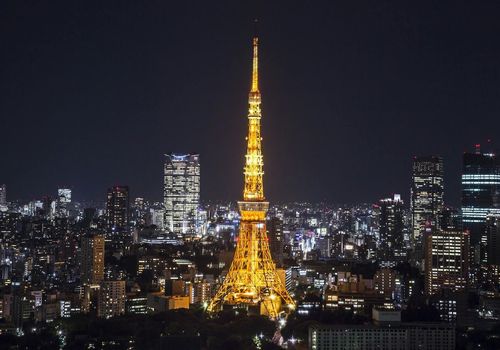
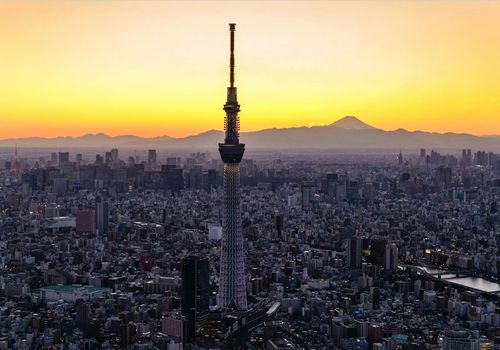

Tours & tickets via WeGoTrip — we may earn a commission, at no extra cost to you.
Frequently asked questions
What is the best month to visit Tokyo?
What is the worst month to visit Tokyo?
When is the rainy season in Tokyo?
How many days do you need in Tokyo?
When is the cheapest time to visit Tokyo?
Is Tokyo safe for tourists?
Should I visit Tokyo or Kyoto first?
What should I pack for Tokyo?
Keep planning
Plan your Tokyo trip
Sources
Every claim on this page is backed by an authoritative source. Atlas Ranger synthesizes data from multiple references so you can see exactly where each fact came from.
- Japan National Tourism Organization (JNTO) — TokyoUsed for: Official tourism guidance, festival timing, and seasonal travel advisories.
- Japan Meteorological Agency — Tokyo NormalsUsed for: Climate normals (1991-2020) for temperature, rainfall, and sunshine hours.
- U.S. State Department Japan Travel AdvisoryUsed for: Independent safety assessment and entry requirement reference.
- Tokyo Convention & Visitors BureauUsed for: Festival calendar, illumination dates, neighborhood-specific events.