The dry season runs May through September — and the inside of that window matters
Bali has the cleanest tropical wet/dry split of any major SE Asia destination. Dry season is May through September, with low rainfall, comfortable humidity, and reliable sunshine across the island. Within that window, the experience changes substantially:
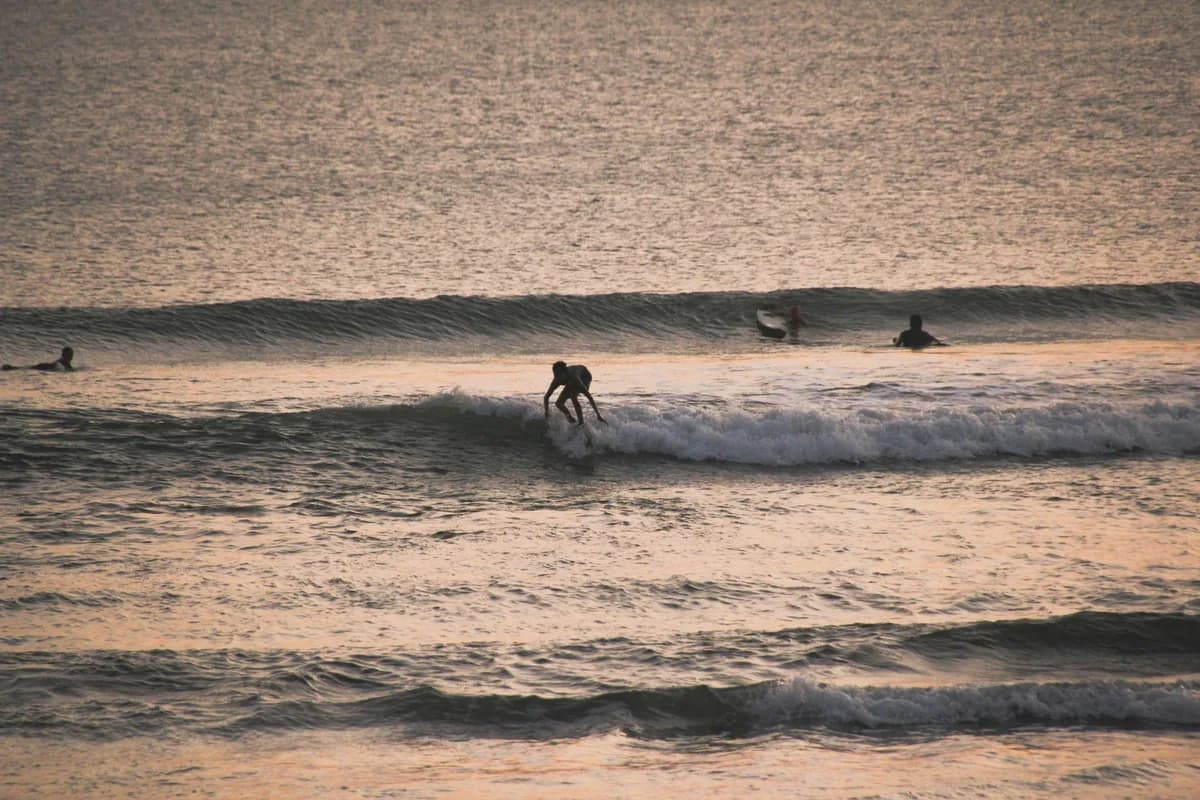
- May + early June— the sweet spot. Dry weather has arrived, prices are still off-peak, and crowds haven't built up. Surf is consistent on the Bukit (Uluwatu / Padang Padang).
- July + August — peak everything. European + Australian school holidays converge. Prices for villas in Seminyak / Canggu can double. Book 3+ months ahead. Weather is excellent — Aug is the driest month at ~129mm of rain.
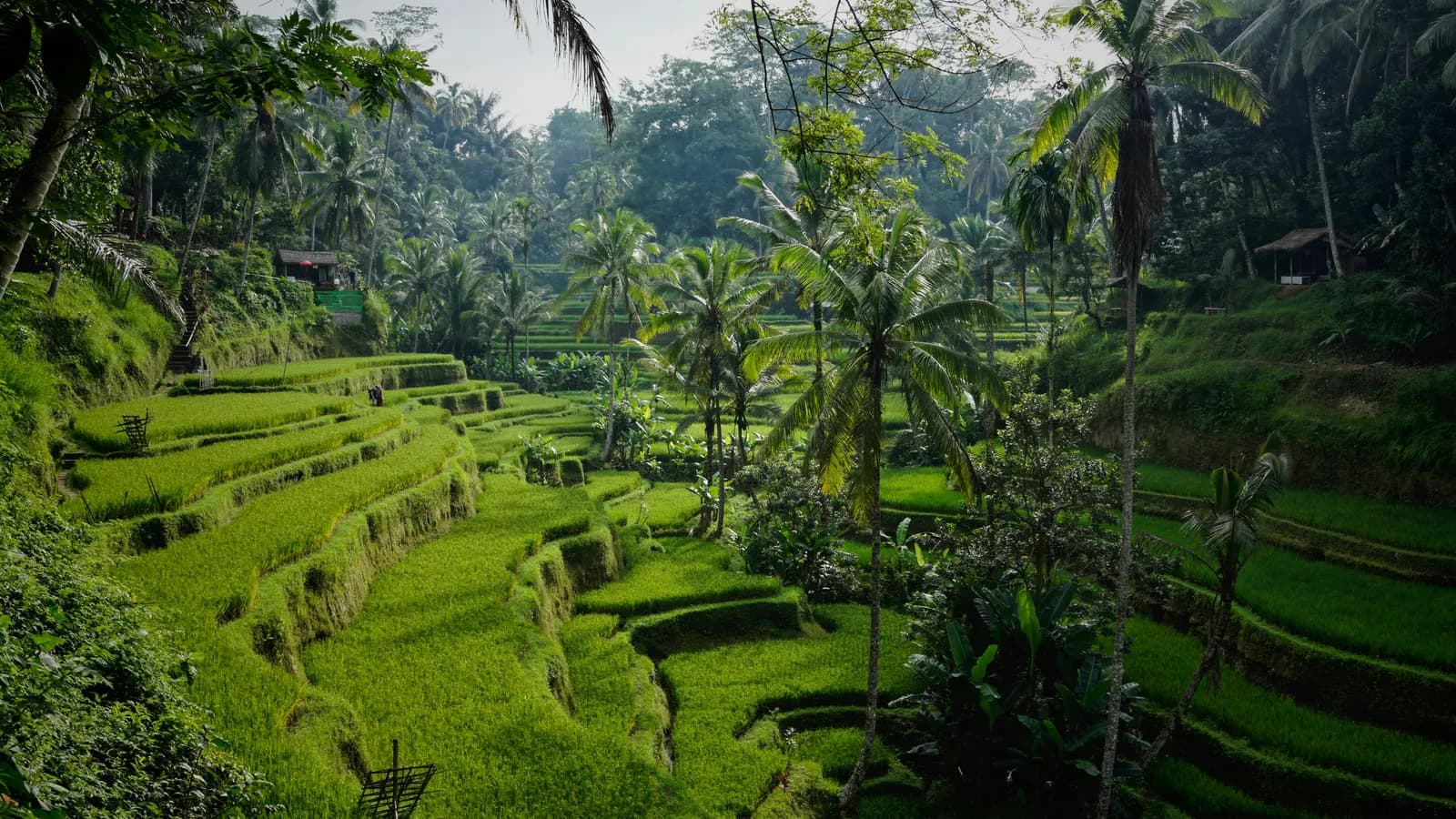
- September — the smartest single month. Dry-season weather still locked in, European holidays end, prices drop sharply through the month. Surf continues. Rice terraces (Tegallalang, Jatiluwih) are at their greenest.
Best months for a Bali-spanning trip
For a 7–10 day trip combining south Bali (Seminyak / Canggu / Uluwatu), Ubud / central highlands, and east Bali (Amed / Sidemen), target May, June, or September. September is the single best month for first-timers — the weather is still peak-dry, but the prices and crowds have eased back to manageable. June is the close second.
Avoid July–August unless you specifically want the energy of peak season — Canggu traffic gets brutal, beach clubs are at capacity, and you'll pay 30–50% more for the same villa.
When to visit Bali to avoid crowds
Three crowd peaks worth knowing about. Mid-July through August — Australian + European school holidays converge. Peak prices, peak Canggu traffic. Christmas + New Year (mid-December through early January) — Western holiday surge despite it being wet season. NYE in Seminyak is a major event. Nyepi(Balinese New Year, March — date shifts annually) — the entire island shuts for 24 hours of silence. No flights, no internet, no leaving your hotel. Unique cultural experience but a real constraint if you don't plan around it.
For minimum crowds with maximum weather, target:
- Mid-September — past European holidays, dry-season weather still locked in, prices 30% below August
- Late May — dry season just opened, pre-summer-rush, surf is consistent
- Mid-October — last reliably dry weeks, prices at year-round lows, Ubud terraces still green
Cheapest time to visit Bali
January through early March is genuinely cheap — flights drop 30-50% from peak, villa rates fall to year-round lows. The catch: this is the peak wet season with 300-400mm of rain per month. See our Bali rainy-season guidefor what wet season actually looks like — it's less catastrophic than people think (afternoon storms, mostly) but it's real.
The smartest price-to-experience tradeoff is mid-October (last reliably dry weeks, prices at year-round lows) or late April (wet season ending, prices still off-peak, dry-season weather arriving). Both windows give you near-peak conditions at 30% lower prices than July-August.
Things to know before visiting Bali
Visa-on-arrival for most Western nationalities — 30 days, extendable once. Indonesian tourist tax (IDR 150,000) is collected separately at the airport from 2024 onwards.
Getting around: Grab + Gojek work in south Bali but are blocked in many areas (private driver mafia). Most travelers hire a private driver for full days (~$40-60). Scooter rental is cheap but Bali traffic is genuinely dangerous — only ride if experienced. Helmets and proper licenses are increasingly enforced.
Money: Indonesian Rupiah (IDR). Cards accepted at hotels and tourist restaurants but cash strongly preferred at warungs (local restaurants), small shops, and markets. Watch for closed exchanges that quote great rates and shortchange the count — use bank ATMs.
Safety: Bali is genuinely safe for tourists. Real risks: scooter accidents (highest cause of tourist injury), occasional petty theft from beach bags, Mt. Agung volcanic activity (rare but disruptive). See the U.S. State Department travel advisory for Indonesia for current entry requirements.
The honest verdict
Bali is the most-developed island destination in SE Asia for a reason — the infrastructure is solid, the variety (beaches + rice terraces + temples + nightlife) is unmatched, and the wet/dry split is so clean you can plan with confidence. The right time depends on what you're optimizing for:
- Best weather + manageable crowds: September
- Best weather + don't mind crowds: July–August
- Cheapest with workable weather: mid-October or late April
- Cheapest if you accept the rain: January–February
Your Bali cheat sheet
One email with the whole year in it — and the questions that actually change a trip there, answered.
- All 12 months scored 0–100
- The months to book, and the ones to skip
- The questions that change the plan, answered
- Plus the Travel Timing Calendar 2027: every destination, every month (PDF)
We'll email you your cheat sheet with the Travel Timing Calendar, plus occasional travel-timing guides. Unsubscribe anytime; see our privacy policy.
The year at a glance
Twelve months, three seasons
Each cell is one month. Lemon means peak, sky means shoulder, gray means avoid. The outlined cell is the current month.
Atlas Ranger Score · proprietary
When Bali scores best, month by month
Our transparent 0–100 score blends weather comfort, crowds, value and festivals into one number per month. How it's calculated →
- Best monthSeptember 77
- Best valueApril 69 off-peak
- ToughestJanuary 54
See how Bali ranks against every destination on the Best Time to Travel leaderboard →
Explore the map
Every city, every month
Drag the month scrubber, hover any city, read the headline for that window.
Conditions right now
Right now in Bali: 29°C, overcast, air quality moderate (US AQI 63), sea 28°C.
Updated Oct 7, 11:00 AM · Live data from Open-Meteo
Good to know
Before you go to Bali
The ground-level practicalities that make a trip smooth — the stuff that's hard to find until you're already there.
From the airport
Denpasar (DPS) is ~20 min to Kuta/Seminyak but 60–90 min to Ubud, Canggu or Uluwatu in traffic. Skip the official airport-taxi desk (heavily marked up) — use Grab/Gojek from the app, or pre-book a fixed-price private transfer so a driver is waiting with your name.
Money & cards
Currency is the Indonesian Rupiah (IDR). Cards work at hotels, malls and mid-range restaurants, but carry cash for warungs, markets, temples and Nusa Penida. Use ATMs inside banks (skimming is common at street machines) and withdraw larger amounts — most charge a flat ~IDR 50k fee.
Getting around
No trains. It's app rides (Grab/Gojek — cheapest and metered), private drivers (~$40–50/day, great for day trips), or scooters. Southern traffic is brutal — Canggu to Uluwatu can take an hour. Scooters are cheap but crashes are the #1 tourist injury: wear a helmet and carry an International Driving Permit.
Staying connected
Free Wi-Fi is limited to cafés and hotels and can be slow. The easiest fix is a travel eSIM you set up before you fly — data the second you land, no SIM-swapping or airport queues. A local Telkomsel SIM at the airport also works if you prefer physical.
Health & water
Don't drink the tap water — stick to bottled or filtered, and skip ice at cheap street stalls. "Bali belly" is common; pack rehydration salts. No mandatory vaccinations, but travel insurance that covers scooter riding is worth it — standard policies often exclude it.
Customs & etiquette
Tipping isn't expected but is appreciated — round up, or ~10% at nicer places. Cover shoulders and knees at temples (a sarong is required and usually provided). Never step on or over the canang sari — the small daily flower offerings you'll see on the ground everywhere.
Bali vs Nearby Destinations
vs Lombok
Lombok is what Bali was 20 years ago — quieter beaches, fewer crowds, the Gili Islands offshore. Pick Lombok for surfing without crowds and a slower pace. Pick Bali for variety. Many travelers do both: a 2-hour ferry connects them, so 5–6 days Bali + 3–4 days Lombok is a strong combination.
vs Phuket
Phuket and Bali are similar in concept — tropical island with beaches, nightlife, and resorts — but Phuket is more developed, more nightlife-heavy, and slightly cheaper. Pick Bali for culture and variety; pick Phuket if you specifically want a beach-and-bars Thai trip with easy day trips to Phi Phi and James Bond Island.
Where to stay in Bali
- Ubud$$Culture, yoga, rice terraces, calmer base
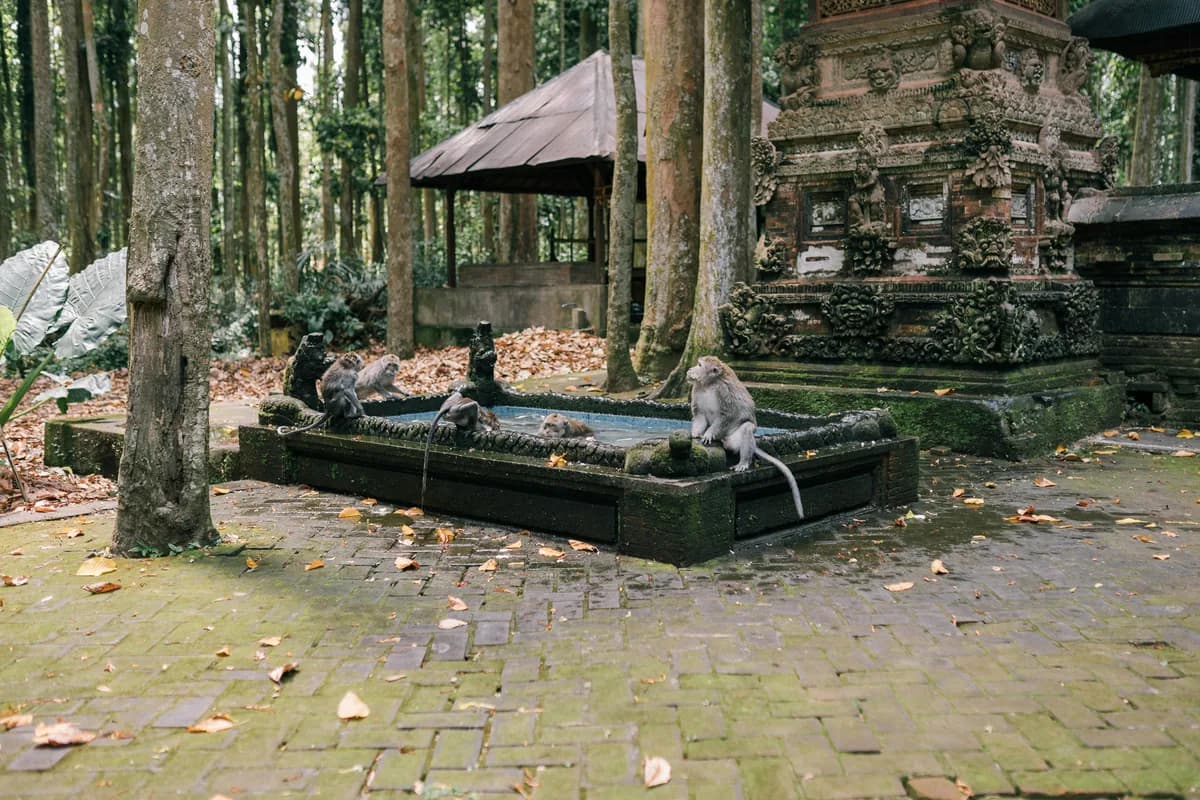
Inland cultural heartland — rice terraces, temples, yoga retreats, Ubud Monkey Forest. 90 minutes from beaches but worth it for the contrast. Great mid-range hotel and villa scene.
Check Ubud prices → - Canggu$$Digital nomads, surf, beach-cafe culture
Booming north-of-Seminyak area — beach breaks, cafes, co-working spaces, beach clubs at Berawa. The current "in" neighborhood. Traffic can be brutal in peak season.
Check Canggu prices → - Seminyak$$$Beach + restaurant scene + nightlife
Established beach resort area. Best beaches on the south-west coast, the densest dining scene, sunset bars at Ku De Ta and Potato Head. More polished and pricier than Canggu.
Check Seminyak prices → - Uluwatu / Bukit Peninsula$$$World-class surf, cliff-top hotels, quieter trip
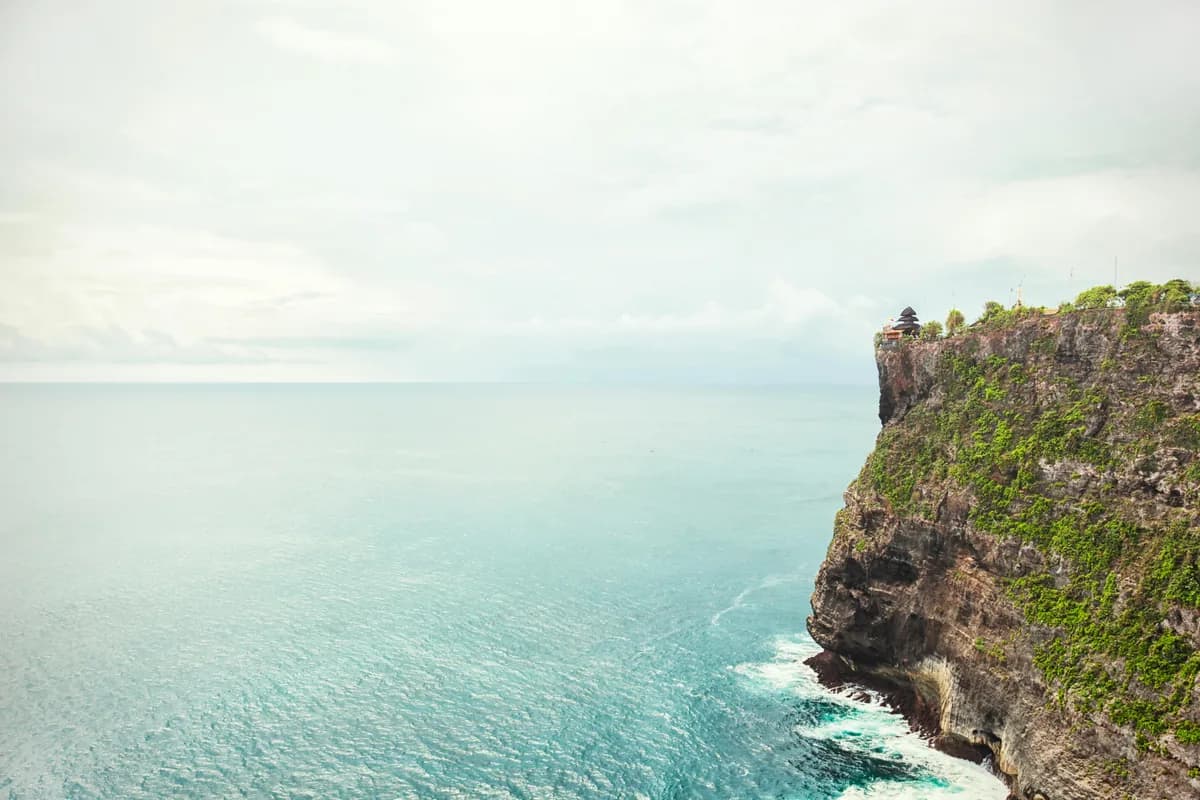
Southern peninsula with dramatic cliffs and the island's best surf breaks (Uluwatu, Padang Padang, Bingin). Quieter than Seminyak/Canggu and more dramatic. Best for surfers and couples.
Check Uluwatu / Bukit Peninsula prices →
Bali in pictures
Frequently asked questions
What is the worst month to visit Bali?
When is the rainy season in Bali?
What is the best month to visit Bali?
How many days do you need in Bali?
Is Bali safe for tourists?
Should I visit Bali or Lombok?
When is the cheapest time to visit Bali?
Keep planning
Plan your Bali trip
Sources
Every claim on this page is backed by an authoritative source. Atlas Ranger synthesizes data from multiple references so you can see exactly where each fact came from.
- Wonderful Indonesia (Official tourism)Used for: Official Bali tourism guidance, festival timing, regional information
- Open-Meteo Historical Climate Data (ERA5)Used for: Monthly temperature, rainfall, sunshine averages (2020–2024)
- U.S. State Department Indonesia Travel AdvisoryUsed for: Independent safety assessment + entry requirement reference
- BMKG (Indonesian Agency for Meteorology, Climatology and Geophysics)Used for: Indonesia's national meteorological service — climate normals cross-reference