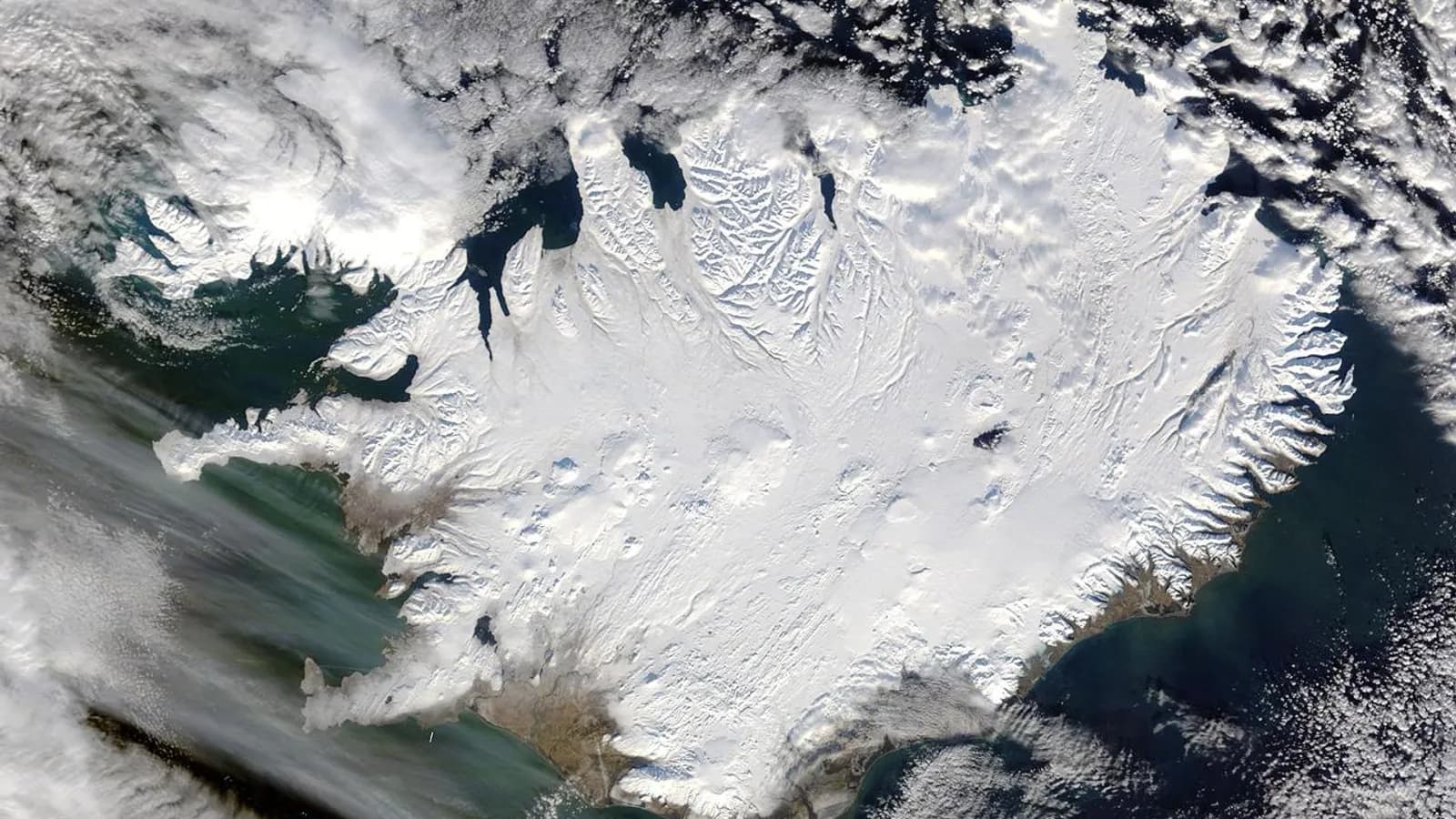
The honest answer: it depends on what you want
Most “best time to visit Iceland” guides pick one season and try to convince you. The reality is that Iceland has two completely different seasons that serve completely different trips:
- Summer (June–August): Midnight sun, all Highland F-roads open, puffins, glaciers, the full Ring Road accessible. 13°C highs, 18+ hours of daylight, peak prices, peak crowds. No aurora possible — too much daylight.
- Aurora season (September–March): Long nights make the northern lights visible. Snow scenery, Christmas markets, dramatic winter landscapes, 30–50% cheaper accommodation. Some Highland routes closed; weather more unpredictable.
Decide which trip you want first. The rest of this page is structured around both.
Best months for summer travel and the Highlands
For midnight sun, hiking, glacier tours, puffin colonies, and the full Ring Road including the Highlands, target July. It's the warmest month (13°C highs), the driest (87mm — half of December's 129mm), and the only month when the entire Highland F-road network is reliably open. Landmannalaugar, Þórsmörk, Askja — all accessible.
June and August are nearly as goodwith specific tradeoffs. June pairs the year's longest daylight (21+ hours on the solstice) with slightly cooler temperatures and fewer crowds — Highland F-roads only fully open by mid-month. August matches July for warmth but has more rain (124mm vs 87mm) and includes Iceland's biggest domestic travel weekend (Verslunarmannahelgi) which clogs the Westman Islands and south coast.
June is the smartest pick for most travelers — full daylight, the Highlands beginning to open, and crowds still well below July peak.
Best months for the northern lights
Aurora visibility requires darkness. Iceland gets enough darkness for aurora September through March. April and August have brief aurora windows only on the darkest nights. May, June, and July are effectively aurora-free — even at local midnight the sky stays bright enough to wash out the lights entirely.
The conventional wisdom is “visit in winter for aurora.” The data suggests something more specific:
- February is statistically the best aurora month. Long nights (8 hours of daylight by month-end), clearer skies on average than November–January, and accommodation prices roughly 30–40% below summer peak.
- September is the smartest combination month. Aurora returns by mid-month, autumn colors peak in Þórsmörk, Highland roads are still open, and prices drop 20–30% from August. Not quite peak aurora, but excellent overall.
- Octobertrades summer's last access for aurora. F-roads close progressively, but the Ring Road remains drivable and aurora is visible most clear nights.
For real-time conditions tonight, see Atlas Ranger's live aurora forecast — the same NOAA data the major aurora-tour operators use, refreshed every 30 minutes.
When to visit Iceland to avoid crowds
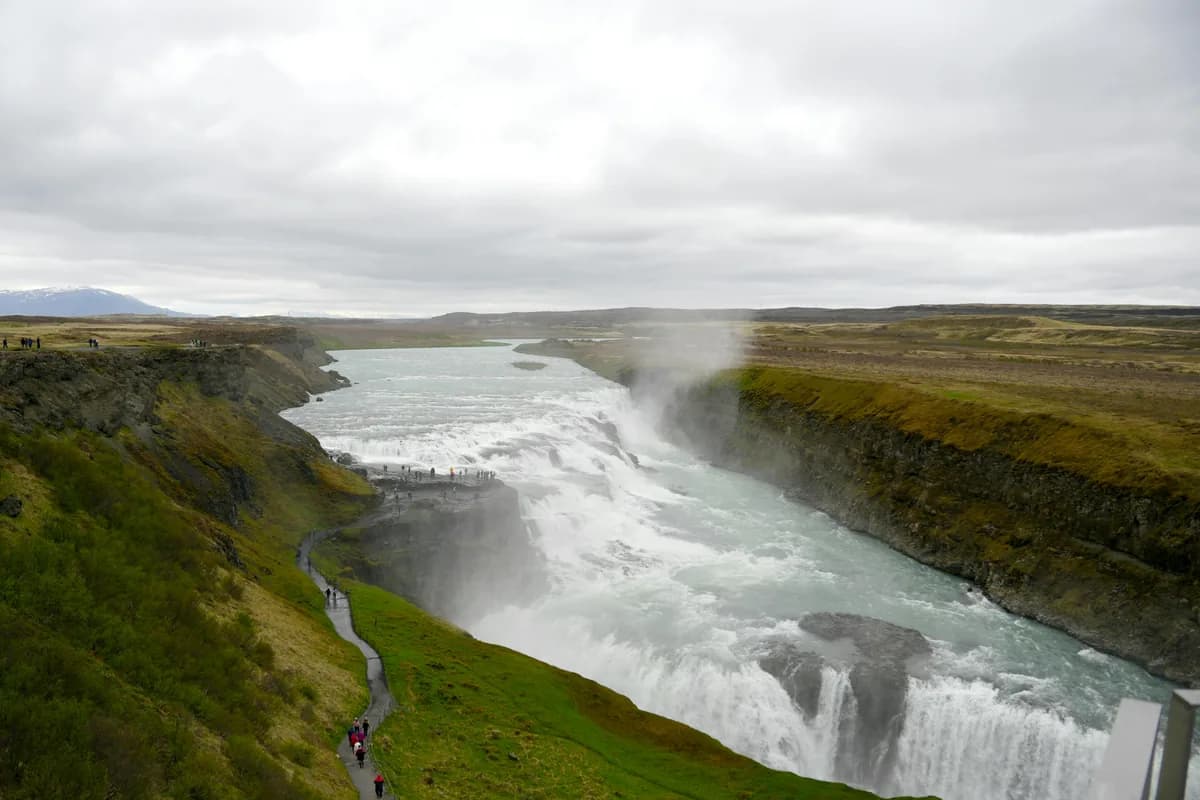
Crowds peak in July and August when European summer holidays, mid-week American visitors, and cruise port stops all stack. Þingvellir, Geysir, and the South Coast waterfalls can feel like Times Square at midday in peak July.
For weather + access without crowds, target:
- Mid-June (after the May rush, before American school holidays start driving July demand)
- Mid-September (post-Labor Day, families home, but Highlands still open)
- Late February (well outside Christmas/New Year, optimal aurora conditions)
Cheapest time to visit Iceland
October, November, January, February, and March are the cheapest months. Flights from major hubs (London, NYC, Boston, Toronto) drop 40–60% from summer peak, and accommodation often runs 50% below July rates. Reykjavík hostels that cost $80/night in July drop to $35 in February.
Aurora travelers get the best value: same nighttime sky, much lower daytime costs. Reykjavík plus a night or two further from city lights — Þingvellir, the Reykjanes peninsula, or Hella on the south coast — is a reliable 4-night winter trip at roughly half what the same itinerary costs in summer. Mývatn (the country's aurora hot spot) is a separate trip from the north — fly to Akureyri rather than driving from Reykjavík.
Two exceptions to the cheap winter rule:
- Iceland Airwaves(early November) — Reykjavík's music festival spikes accommodation prices for the week. Worth it if you're going for the festival, brutal otherwise.
- Christmas/New Year(Dec 23–Jan 3) — short-burst price spike for the holiday weeks. New Year's Eve fireworks in Reykjavík are unique but expensive.
When to avoid Iceland
November and Decemberare statistically the most challenging weather months. November brings the most unpredictable storms, frequent road closures, and aurora often blocked by thick cloud cover — by month-end daylight is down to about 5 hours. December reaches the year's shortest day on the winter solstice (just over 4 hours of daylight in Reykjavík).
These months work for: Iceland Airwaves attendees (early November), Christmas-market visitors (Reykjavík and the 13 Yule Lads tradition through December), aurora chasers with multi-night flexibility (some clear nights are stunning), and budget travelers who can tolerate the weather. Otherwise, push to February or skip to summer.
Things to know before visiting Iceland
Most travelers underestimate Iceland time. Reasonable trip lengths:
- Reykjavík + Golden Circle + South Coast highlights: 5–6 days minimum
- Full Ring Road (clockwise or counter-clockwise): 9–11 days
- Westfjords or Highland exploration added on: 12–14 days
- Aurora-only weekend trip: 4 days minimum (you need 2–3 nights of potential aurora to beat cloud cover)
Getting there: Keflavík International (KEF) sits 49km from Reykjavík. The Flybus or a rental car are the standard transfer options. Direct flights from most major North American (3–6 hours) and European (3 hours) cities. Iceland is a major stopover hub — Icelandair offers free 7-day stopovers between continents.
Money:Icelandic Króna (ISK). Iceland is essentially cashless — credit cards work everywhere including parking meters and rural gas pumps. Bring a card with no foreign transaction fees and enable PIN if you're using a US card (some unattended machines require it).
Safety: Iceland is statistically one of the safest countries in the world. The real risks are weather and driving — single-vehicle accidents on icy roads, flash floods (especially on the South Coast), hypothermia from inadequate gear, and getting stranded on closed F-roads. Check vedur.is for weather warnings and road.is for road conditions every morning before driving.
The honest verdict
Iceland is one of the world's great travel destinations — but it's really twodestinations stacked on the same island. Pick your trip type, then pick your month. Don't try to do both in one visit; you'll get a poor version of each. The best individual months are July (summer travel) and February (aurora hunting), with June and September as the best balanced compromises.
Use the live aurora map above to see where the northern lights are visible right now — it's the same NOAA forecast the professional tour operators use, cropped to Iceland. For the worldwide view, see aurora tonight.
Your Iceland cheat sheet
One email with the whole year in it — and the questions that actually change a trip there, answered.
- All 12 months scored 0–100
- The months to book, and the ones to skip
- The questions that change the plan, answered
- Plus the Travel Timing Calendar 2027: every destination, every month (PDF)
We'll email you your cheat sheet with the Travel Timing Calendar, plus occasional travel-timing guides. Unsubscribe anytime; see our privacy policy.
The year at a glance
Twelve months, three seasons
Each cell is one month. Lemon means peak, sky means shoulder, gray means avoid. The outlined cell is the current month.
Atlas Ranger Score · proprietary
When Iceland scores best, month by month
Our transparent 0–100 score blends weather comfort, crowds, value and festivals into one number per month. How it's calculated →
- Best monthJuly 49
- Best valueJuly 49 off-peak
- ToughestNovember 20
See how Iceland ranks against every destination on the Best Time to Travel leaderboard →
Explore the map
Every city, every month
Drag the month scrubber, hover any city, read the headline for that window.
Conditions right now
Right now in Iceland: 5°C, overcast, air quality good (US AQI 23).
Updated Oct 7, 3:45 AM · Live data from Open-Meteo
Live tool · NOAA SWPC
Aurora visibility over Iceland right now
Atlas Ranger's aurora map pulls real-time NOAA data every 30 minutes. Bright cells are where the aurora is most likely tonight. The view is cropped to Iceland — for the global oval, see /aurora/tonight.
Iceland vs Nearby Destinations
vs Norway
Pick Iceland for a first aurora trip — easier flights, more compact, more day-time scenery to fill the daylight hours. Pick Norway (Tromsø, Lofoten) for repeat aurora trips, statistically better night-sky conditions inside the auroral oval, and longer aurora seasons. Norway is also better for fjord scenery; Iceland is better for volcanic landscapes.
vs Finland
Pick Finnish Lapland (Rovaniemi, Saariselkä) for the Christmas/Santa angle, glass igloo accommodation, and reindeer/Husky experiences. Pick Iceland for dramatic landscapes, hot springs, and a fuller travel destination. Finland is more aurora-only; Iceland is aurora-plus-everything-else.
vs Faroe Islands
Faroe Islands are Iceland's smaller, quieter cousin — dramatic Atlantic islands, far fewer tourists, much smaller scale. Pick Faroe for a quiet 4–5 day photography trip; pick Iceland for a full 8–10 day road-trip destination with more variety and infrastructure.
Where to stay in Iceland
- Reykjavík (city center)$$$Base for Golden Circle + day trips, restaurants, bars
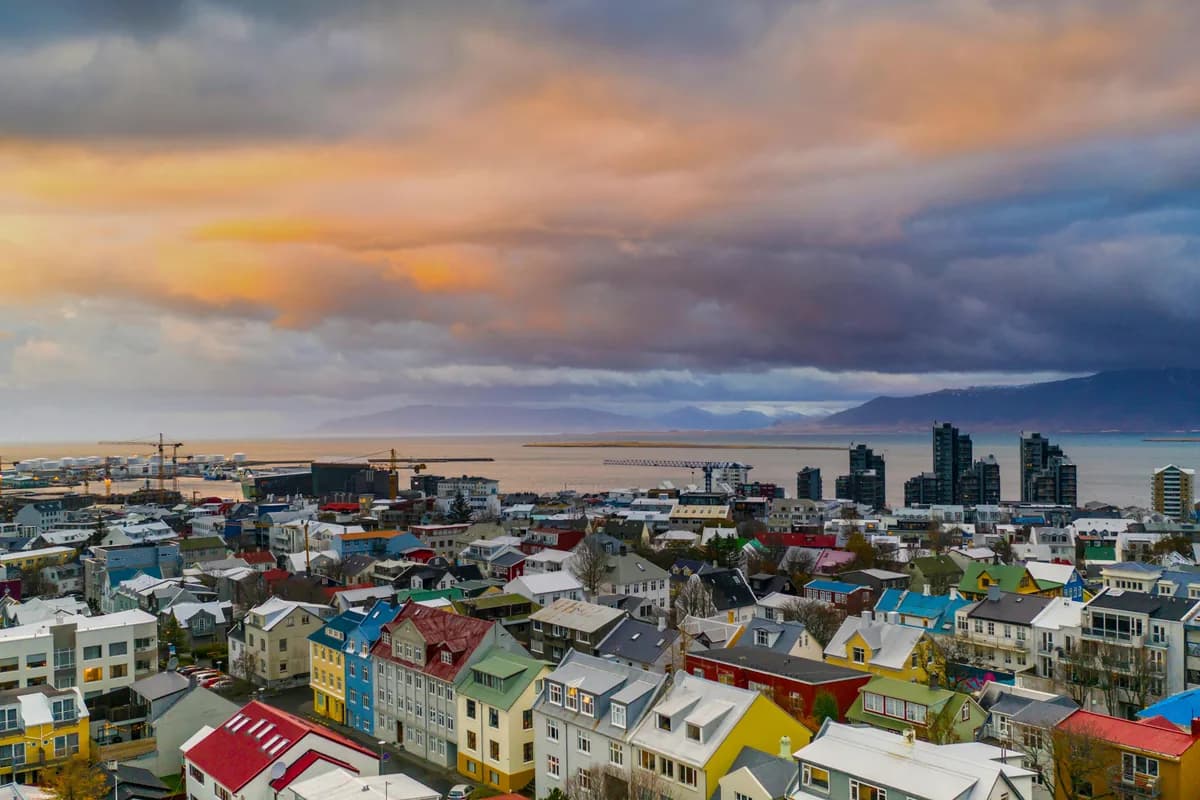
The natural starting and ending point. Walking distance to Hallgrímskirkja, Harpa, the harbor, and most restaurants. Most aurora day-trips depart from Reykjavík hotels.
Check Reykjavík (city center) prices → - South Coast (Vík / Hella / Hvolsvöllur)$$Ring Road segment, Seljalandsfoss/Skógafoss base
Mid-route stop for Ring Road travelers. Vík has the famous Reynisfjara black sand beach. Smaller villages but well-equipped guesthouses and a few standout hotels.
Check South Coast (Vík / Hella / Hvolsvöllur) prices → - Akureyri (North Iceland)$$Mývatn aurora, north Ring Road, less-visited Iceland
"Capital of the north" — second-largest town in Iceland, excellent base for Mývatn (Iceland's aurora hot spot, less light pollution than the south) and the Diamond Circle.
Check Akureyri (North Iceland) prices → - Höfn (Southeast)$$Vatnajökull glacier, Diamond Beach, Jökulsárlón
Small fishing town that's the launching point for the Vatnajökull glacier and Diamond Beach. Famous for langoustine. Limited accommodation — book ahead.
Check Höfn (Southeast) prices →
Things to do in Iceland
Self-guided tours and skip-the-line tickets you can book ahead.

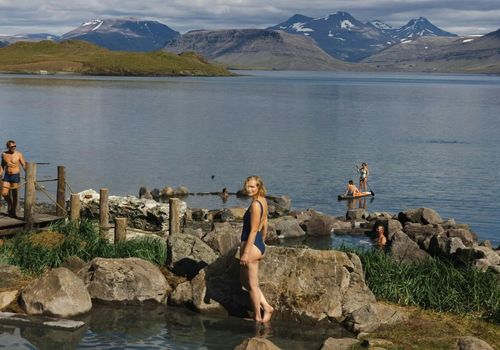

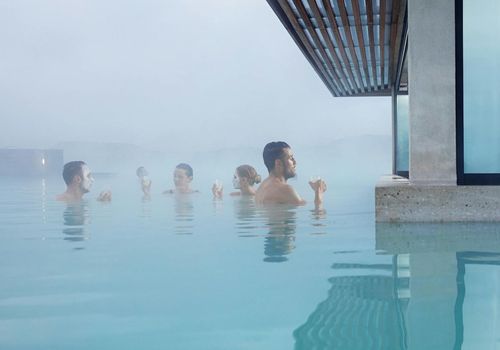
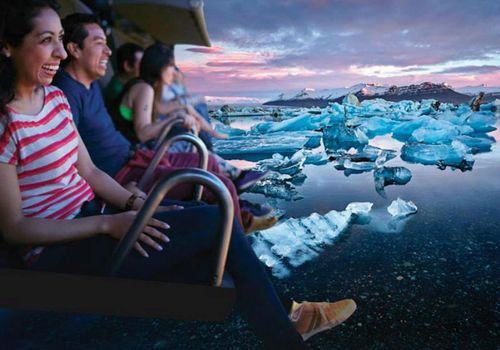
Tours & tickets via WeGoTrip — we may earn a commission, at no extra cost to you.
Iceland in pictures
Frequently asked questions
What is the best month to visit Iceland?
What is the worst month to visit Iceland?
When is the rainy season in Iceland?
How many days do you need in Iceland?
Is Iceland safe for tourists?
Should I visit Iceland or Norway for the northern lights?
When is the cheapest time to visit Iceland?
Keep planning
Plan your Iceland trip
Sources
Every claim on this page is backed by an authoritative source. Atlas Ranger synthesizes data from multiple references so you can see exactly where each fact came from.
- Visit Iceland (Official tourism)Used for: Official Iceland tourism guidance, festival timing, regional information
- Open-Meteo Historical Climate Data (ERA5)Used for: Monthly temperature, rainfall, sunshine averages (2020–2024)
- Veðurstofa Íslands (Icelandic Met Office) + road.isUsed for: Live weather warnings, aurora forecasts, road conditions — essential trip planning
- U.S. State Department Iceland Travel AdvisoryUsed for: Independent safety assessment + entry requirement reference
- NOAA Space Weather Prediction CenterUsed for: Live aurora forecast (powers Atlas Ranger's aurora map)