The short answer for first-timers
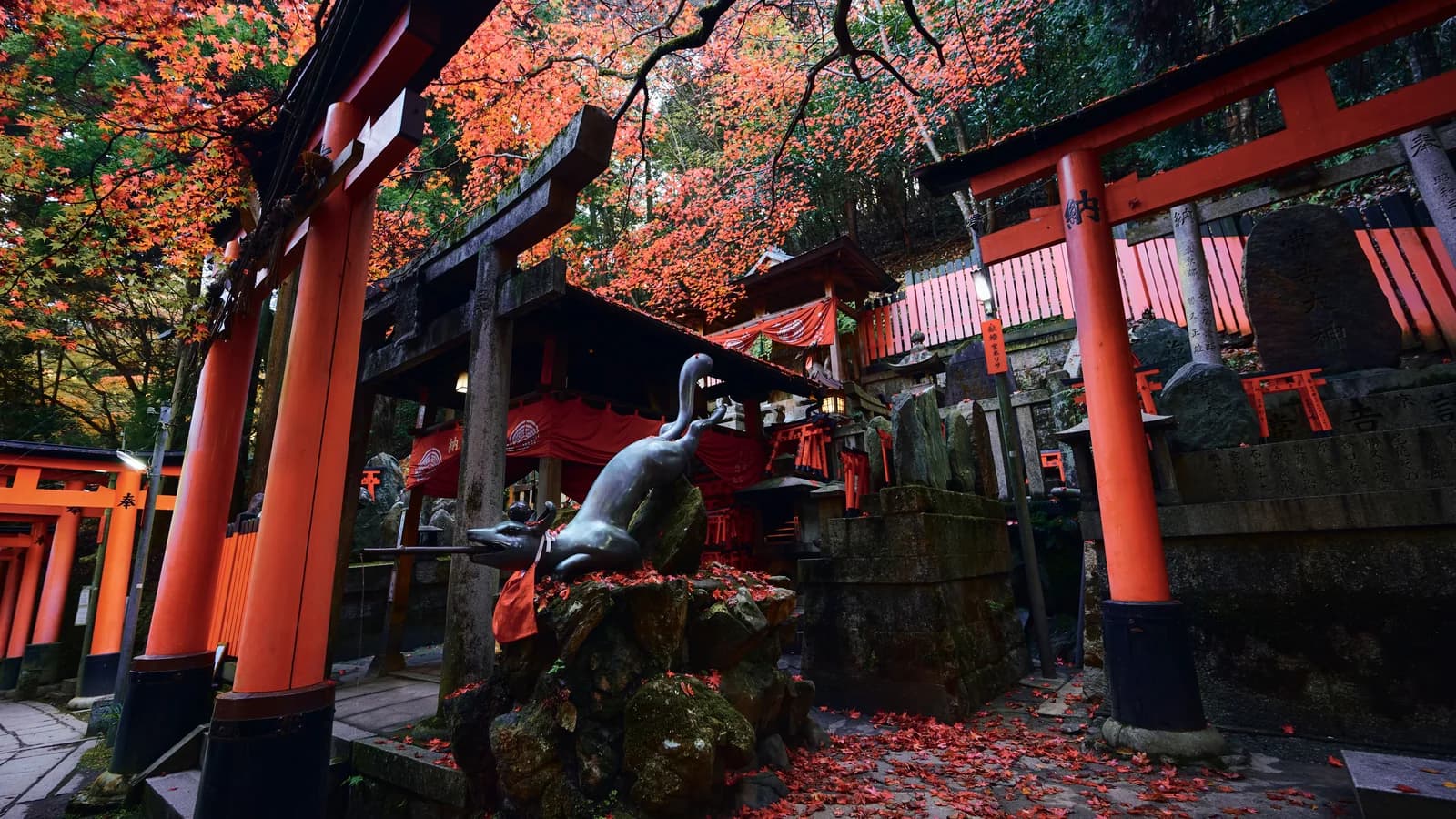
Late November is the single best time to visit Kyoto.Autumn leaves peak November 20-30, daytime temperatures sit at a perfect 17°C, the air is dry and clear, and the city's 1,600+ temples and gardens turn gold, red, and orange. Many temples run evening illuminations (Kodai-ji, Eikan-do, Kiyomizu-dera) that are the single most atmospheric thing you can do in Japan.
The runner-up: the first week of April for cherry blossoms. Both peaks require booking 6+ months ahead because every hotel sells out, but November narrowly edges April for most travelers — similar weather, more reliable conditions, and the koyo evenings at illuminated temples have no equal in spring.
Cherry blossoms in Kyoto vs Tokyo
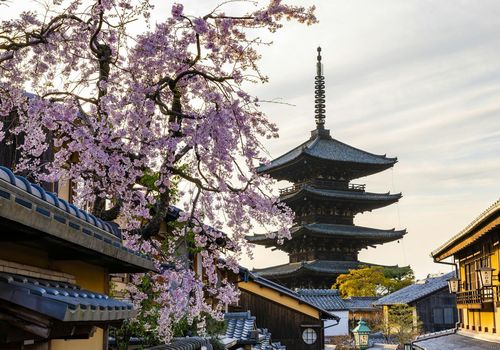
Kyoto's cherry blossom peak runs April 1-10 typically— about a week later than Tokyo's. The viewing pattern is fundamentally different too: Tokyo is about hanami parties (Ueno Park, Yoyogi), Kyoto is about temple gardensframed by sakura. Maruyama Park's weeping cherry (shidare-zakura) is the iconic shot, but the experience that defines Kyoto in cherry blossom season is the Philosopher's Path — a 2 km canal walk lined with 500+ cherry trees connecting Ginkaku-ji (Silver Pavilion) and Nanzen-ji.
Late-blooming yae-zakura at Ninna-ji extend the visual season into mid-April — useful if your dates fall slightly after the main mankai window. For real-time 2026 forecasts as the season approaches, see our cherry blossom forecast 2026 page and the interactive tracker.
Autumn (koyo) — Kyoto's defining moment
Kyoto's koyo peaks November 20-30, slightly later than Tokyo's. It's the single best-aligned destination + season pairing in Japan — 1,600+ temples and gardens, designed over a millennium to frame seasonal beauty, hit their peak visual moment with reliable late-autumn weather.
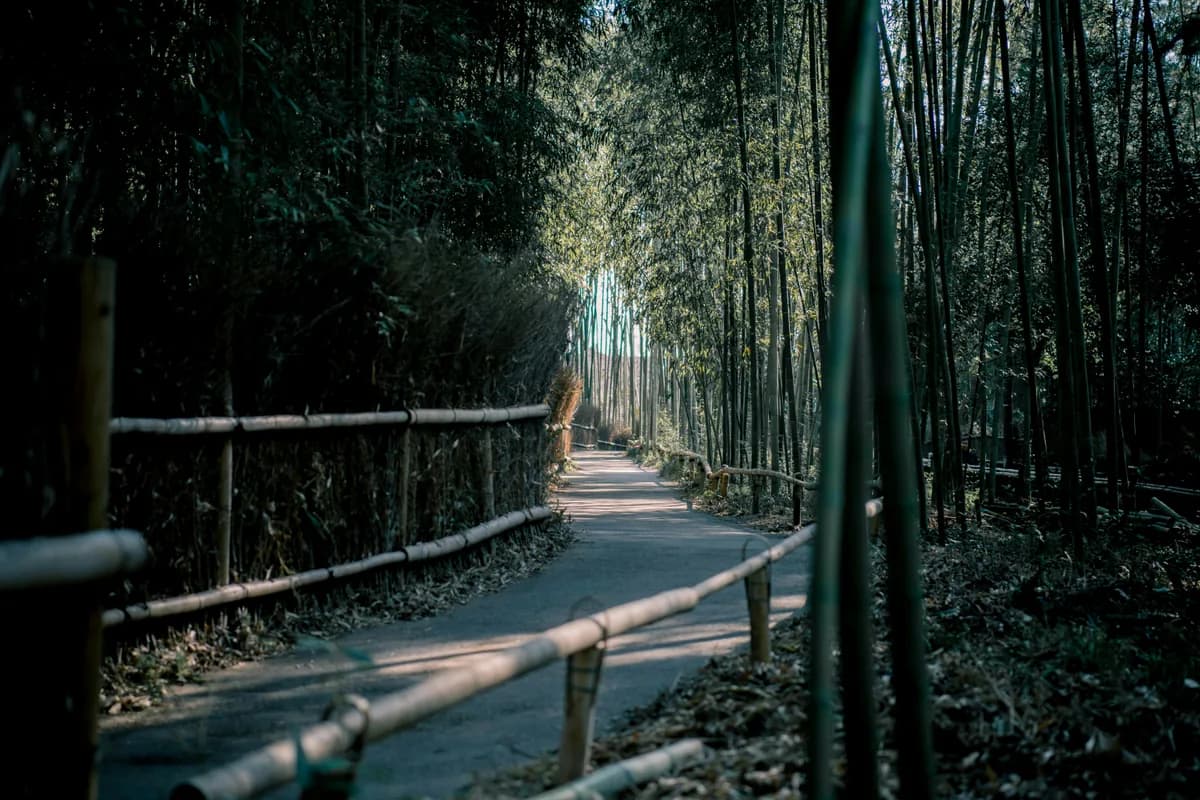
The signature spots: Tofuku-ji's Tsutenkyo Bridge over a valley of 2,000 maples is the single iconic shot. Eikan-do (Zenrin-ji) does the year's most-loved evening illumination. Kiyomizu-dera's veranda framed by maples is the postcard view. Arashiyama's temples (Tenryu-ji, Jojakko-ji, Daikaku-ji) layer koyo over the bamboo grove. Daigo-ji in the southeast offers the same intensity with smaller crowds. The Philosopher's Path glows again — same route, different season, equally photogenic.
The Gion Matsuri exception (July)
July is generally a bad time to visit Kyoto — 31°C in the mountain-ringed basin, 75%+ humidity, tsuyu fading into full summer. But Gion Matsuri changes the calculation. Kyoto's defining festival runs the entire month, with the yamahoko parades on July 17 (Saki Matsuri) and July 24 (Ato Matsuri) as the highlights. 23+ towering hand-pulled floats, many 25 m tall and weighing 10+ tonnes, with crews riding the roofs playing traditional gagaku.
Yoiyama evening street parties July 14-16 close central Kyoto to traffic — vendors, lanterns, yukata-clad crowds, food stalls. If you want to see Kyoto's most spectacular festival, July is unavoidable — but expect to budget for the heat and book Gion-district accommodation 6+ months ahead. For most travelers, autumn is still the better choice.
When to avoid Kyoto
August is the worst month.Kyoto's basin geography traps heat — 33°C+ days are routine, and the city consistently runs 2-3°C hotter than Tokyo with the same humidity. Walking the 1.5 km between Kiyomizu-dera and Yasaka Shrine in August is genuinely punishing. The one redemption: Gozan no Okuribi (Daimonji) on August 16, when five massive bonfires light up the mountains around Kyoto in kanji shapes — the single most atmospheric night in the city. If your dates fall in August, anchor the trip around Daimonji and lean heavily on indoor mornings.
September is the second-worst. Lingering summer heat, peak typhoon season for western Japan (less direct than Tokyo but flight disruption to/from Kansai International possible), and the city stays muggy until the last week. By October the situation improves dramatically.
The cheapest time to visit Kyoto
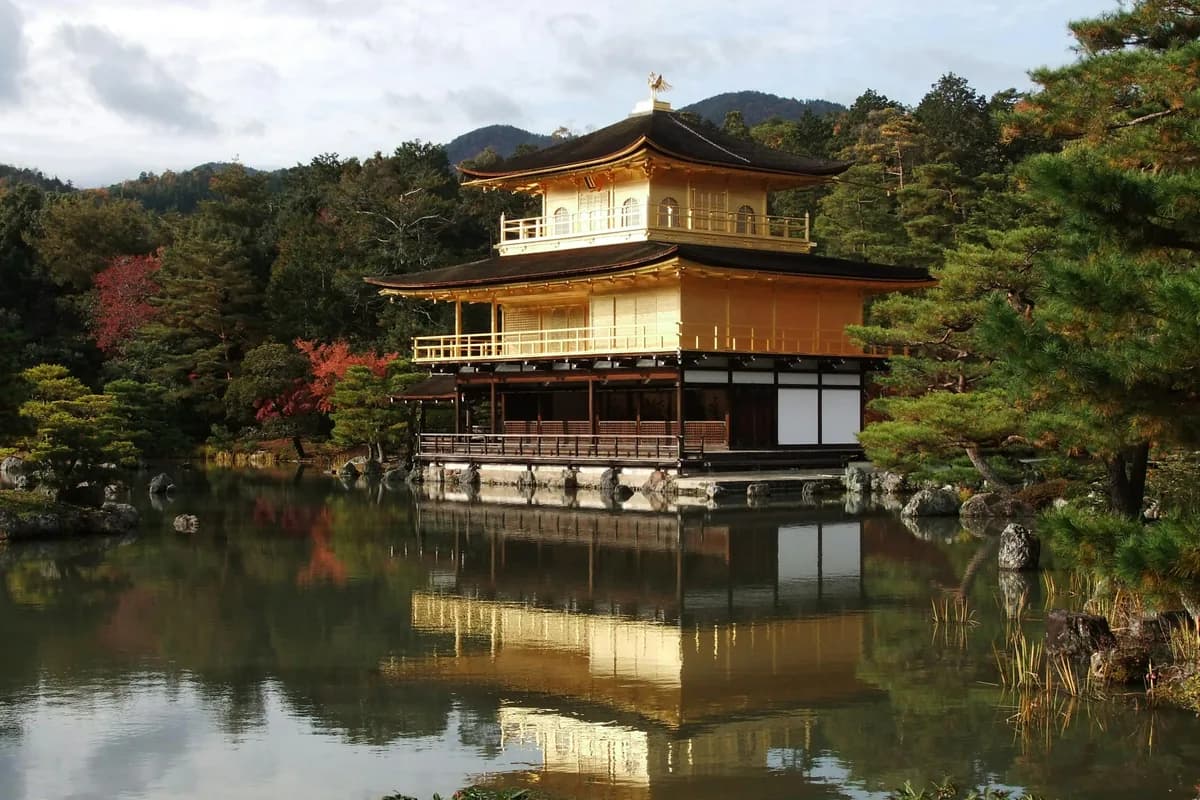
February is the cheapest month — and underrated.Coldest weather (10°C highs), lowest tourist crowds, hotel rates often 40-50% below cherry blossom peaks. Plum blossoms (ume) peak mid-month at Kitano Tenmangu and Jonangu. The slim chance of light snow on temple gardens — Kinkaku-ji or Kiyomizu-dera dusted in snow is one of Japan's most photographed scenes, and seeing it is a matter of luck and patience.
June (rainy season) is the next-best discount. Wetter than Tokyo (220mm per month) but the rain is mostly overnight and morning drizzle. Hotel rates drop sharply. Hydrangeas at Mimuroto-ji and Sanzen-in (in mountain village Ohara, 1 hour north) peak mid-to-late June — the quiet alternative to spring sakura crowds.
Where to base yourself, by trip style
Kyoto's sprawl means your base shapes your trip:
- Higashiyama (around Gion) for first-time visitors — most atmospheric, walking distance to Kiyomizu-dera/Yasaka/Maruyama, premium pricing.
- Kyoto Station area for transit-focused travelers — direct shinkansen to Tokyo, JR Nara Line to Fushimi Inari, all bus routes. Cheapest central hotels.
- Karasuma + Shijo (central Kyoto) for the balanced base — Nishiki Market, Pontocho izakaya alley, mid-range hotels.
- Arashiyama for quiet stays — forested western suburb, day-trippers leave by 6pm, atmospheric ryokan, less convenient for central temples.
- Kurama / Kibune for nature retreats — mountain villages with kawadoko (riverbed dining) in summer, onsen in winter, earliest koyo in October.
Day trips by season
- Nara (45 min): year-round Todai-ji and deer park, cherry blossoms at Yoshino are peak mid-April (a week after Kyoto), koyo at Wakakusayama late November.
- Osaka (15 min): year-round food + nightlife, cherry blossoms at Castle Park April 1-8, USJ Halloween Sept-Nov. See our Osaka best-time guide.
- Uji (30 min): tea capital + Byodo-in (the temple on the 10-yen coin). Best in mid-November for koyo, or June for new green tea (shincha).
- Kurama-Kibune (40 min, in-prefecture): mountain temple hike + riverside dining. Earliest koyo in mid-late October.
- Himeji (1h by shinkansen): the white-castle UNESCO site. Cherry blossoms at the castle (early April) are spectacular.
The honest verdict
Kyoto is the only city in Japan where the seasonal experience is the trip — temples that were designed to be visited in autumn, gardens that exist to display cherry blossoms, festivals scheduled on the same dates for 1,200 years. The right season makes Kyoto a peak-of-Japan trip. The wrong season makes it a hot, crowded slog past closed temple gates.
For most travelers, the answer is unambiguous: visit in late November for the koyo. Book by August of the prior year, base in Higashiyama for the temple access or Kyoto Station for the transit, and budget an evening illumination at Eikan-do or Kodai-ji as the trip's defining moment. If you can also pair it with Tokyo in early November, you get Japan at its absolute best.
Your Kyoto cheat sheet
One email with the whole year in it — and the questions that actually change a trip there, answered.
- All 12 months scored 0–100
- The months to book, and the ones to skip
- The questions that change the plan, answered
- Plus the Travel Timing Calendar 2027: every destination, every month (PDF)
We'll email you your cheat sheet with the Travel Timing Calendar, plus occasional travel-timing guides. Unsubscribe anytime; see our privacy policy.
The year at a glance
Twelve months, three seasons
Each cell is one month. Lemon means peak, sky means shoulder, gray means avoid. The outlined cell is the current month.
Atlas Ranger Score · proprietary
When Kyoto scores best, month by month
Our transparent 0–100 score blends weather comfort, crowds, value and festivals into one number per month. How it's calculated →
- Best monthNovember 61
- Best valueNovember 61 off-peak
- ToughestAugust 56
See how Kyoto ranks against every destination on the Best Time to Travel leaderboard →
Explore the map
Every city, every month
Drag the month scrubber, hover any city, read the headline for that window.
Conditions right now
Right now in Kyoto: 18°C, mainly clear, air quality good (US AQI 43).
Updated Oct 7, 7:00 AM · Live data from Open-Meteo
Kyoto vs Nearby Destinations
vs Tokyo
Most travelers do both — they're 2 hours apart on the shinkansen. Tokyo for modern Japan + urban density; Kyoto for temples + traditional culture. The classic split: 4-5 days Tokyo, 3-4 days Kyoto. Both peak in cherry blossom season (April) and autumn leaves (mid-late November), so itinerary planning aligns easily.
vs Osaka
Osaka is 15 minutes by JR from Kyoto and 20% cheaper for accommodation. Most travelers stay in Kyoto for atmosphere and day-trip to Osaka for food + nightlife. Budget travelers reverse it — Osaka base, Kyoto day-trips. If you have to pick one, Kyoto for cultural depth, Osaka for food + working-class energy.
vs Okinawa
Different climate and culture. Kyoto is cool-to-cold inland Japan with deep traditional culture; Okinawa is subtropical island Japan with Ryukyu heritage and beaches. They make a great combined trip if you have 10+ days: Kyoto in November for koyo, then fly south to Okinawa for the post-typhoon beach window. Same season works for both — peak winter doesn't.
Where to stay in Kyoto
- Higashiyama (around Gion)$$$First-time visitors, traditional atmosphere, temple access
Boutique ryokan and machiya townhouse stays in the most atmospheric district. Walking distance to Kiyomizu-dera, Yasaka Shrine, Maruyama Park, and the Philosopher's Path. Quiet at night because cars are restricted in much of Gion. Premium pricing.
Check Higashiyama (around Gion) prices → - Kyoto Station area$$Transport access, business travel, budget hotels
Direct shinkansen connections, JR Nara Line for Fushimi Inari, all major bus routes. Less atmospheric (modern station district) but lowest hotel prices in central Kyoto. Many international chain hotels. Best for travelers prioritising train access over neighborhood feel.
Check Kyoto Station area prices → - Karasuma + Shijo (central Kyoto)$$Mid-range comfort, downtown access, food
Kyoto's commercial center — covered Nishiki Market (food street), department stores, Pontocho izakaya alley, and easy subway access. Most balanced base for travelers wanting traditional access without ryokan prices. Faster paced than Higashiyama.
Check Karasuma + Shijo (central Kyoto) prices → - Arashiyama$$Quiet stays, scenery, mountain temple access
Forested western Kyoto — bamboo grove, Tenryu-ji, Togetsu-kyo Bridge. Quieter at night (day-trippers leave after 6pm). Some of Kyoto's most atmospheric ryokan. Less convenient to central temples — budget extra transit time.
Check Arashiyama prices → - Kurama / Kibune$$$Onsen + nature retreats, autumn leaves first wave
Mountain villages 30 min north of central Kyoto. Riverside ryokan with kawadoko (riverbed dining decks) in summer; onsen and early autumn leaves in October. Last train back to central Kyoto is ~9pm — most travelers stay overnight.
Check Kurama / Kibune prices →
Things to do in Kyoto
Self-guided tours and skip-the-line tickets you can book ahead.


Tours & tickets via WeGoTrip — we may earn a commission, at no extra cost to you.
Kyoto in pictures
Frequently asked questions
What is the best month to visit Kyoto?
What is the worst month to visit Kyoto?
When is the rainy season in Kyoto?
How many days do you need in Kyoto?
When is the cheapest time to visit Kyoto?
Is Kyoto safe for tourists?
Should I visit Kyoto or Osaka first?
What should I pack for Kyoto?
Keep planning
Plan your Kyoto trip
Sources
Every claim on this page is backed by an authoritative source. Atlas Ranger synthesizes data from multiple references so you can see exactly where each fact came from.
- Kyoto City Tourism AssociationUsed for: Official tourism guidance, festival timing, temple opening hours, illumination schedules.
- Japan Meteorological Agency — Kyoto NormalsUsed for: Climate normals (1991-2020) for temperature, rainfall, and sunshine hours.
- U.S. State Department Japan Travel AdvisoryUsed for: Independent safety assessment and entry requirement reference.
- JNTO — KyotoUsed for: National tourism board coverage of Kyoto seasonal events and festivals.