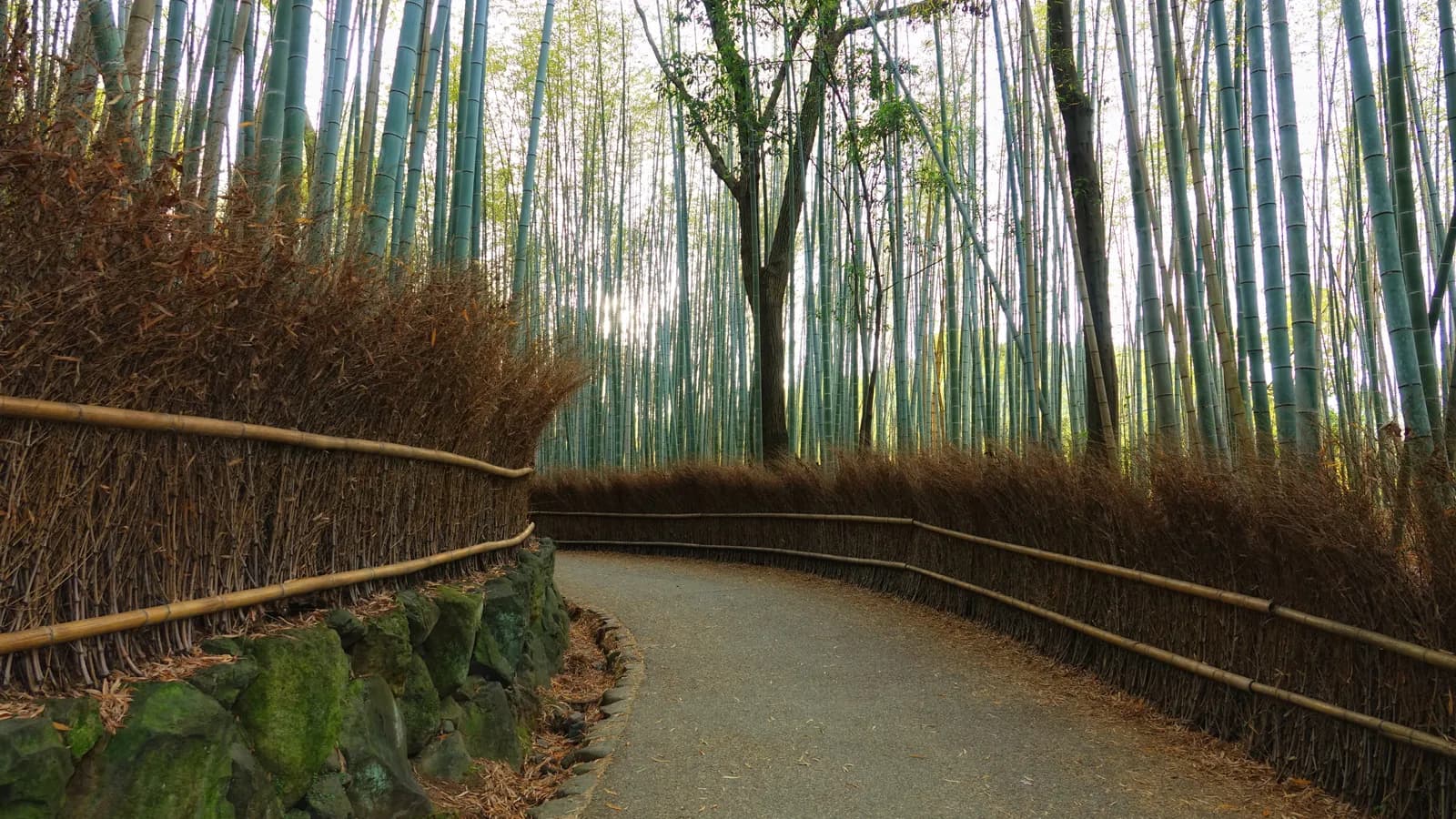
The honest take on Japan's seasons
Japan has two famously good seasons (spring and autumn) and one famously bad one (the summer rainy period). The map above shows the full year — but here's the short version.
- March–May (spring): the cherry blossom front moves from Kyushu in late March to Hokkaido by early May. April is peak in Tokyo and Kyoto. Book accommodation 6+ months ahead. Avoid Golden Week (April 29 – May 5) unless you specifically want it.
- June – mid-July (rainy season): Honshu is wet and overcast. Hydrangeas bloom in temple gardens — beautiful, but you will get rained on. Hokkaido escapes the rainy season entirely and is excellent now.
- Mid-July through September (summer): hot, humid, and crowded. July–August festivals are world-class (Gion Matsuri, Obon) but Tokyo regularly hits 35°C with high humidity. September is peak typhoon season.
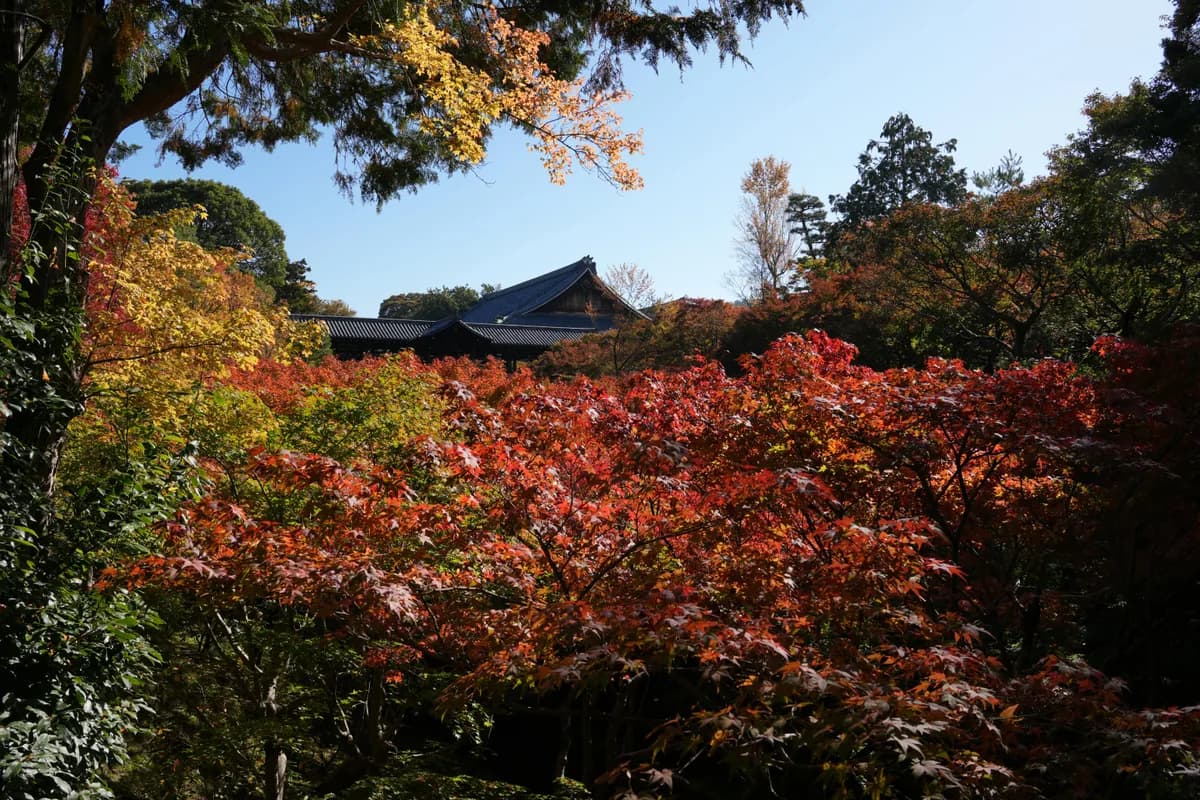
- October–November (autumn): the second great window. Typhoons fade, humidity drops, and koyo (autumn leaves) sweeps from Hokkaido south. Late November in Kyoto is one of Japan's defining experiences.
- December–February (winter): dry, cold, with low tourist crowds outside of New Year. Hokkaido has world-class skiing. City illuminations are gorgeous in December. New Year (Dec 31 – Jan 3) shuts down most of the country.
Should you go in summer?
Generally no — but if you can, head to Hokkaido or the Japanese Alps. Both skip the rainy season and stay 5–10°C cooler than Tokyo. Hokkaido in July–August is genuinely wonderful: lavender fields in Furano, hiking in Daisetsuzan, cool nights in Sapporo.
Should you skip the cherry blossom hype?
No. It's hyped because it deserves it. But you don't have to go in peak week. A smarter approach:
- Plan for late March or early May instead of April peak — a less intense version of bloom (south or north), much lower crowds, and 30–40% cheaper flights.
- For peak bloom (early April), book 6+ months ahead — flights, hotels, ryokans all spike. The Atlas Ranger cherry blossom tracker shows live forecasts for the current year.
Your Japan cheat sheet
One email with the whole year in it — and the questions that actually change a trip there, answered.
- All 12 months scored 0–100
- The months to book, and the ones to skip
- The questions that change the plan, answered
- Plus the Travel Timing Calendar 2027: every destination, every month (PDF)
We'll email you your cheat sheet with the Travel Timing Calendar, plus occasional travel-timing guides. Unsubscribe anytime; see our privacy policy.
The year at a glance
Twelve months, three seasons
Each cell is one month. Lemon means peak, sky means shoulder, gray means avoid. The outlined cell is the current month.
Atlas Ranger Score · proprietary
When Japan scores best, month by month
Our transparent 0–100 score blends weather comfort, crowds, value and festivals into one number per month. How it's calculated →
- Best monthApril 58
- Best valueApril 58 off-peak
- ToughestAugust 59
See how Japan ranks against every destination on the Best Time to Travel leaderboard →
Explore the map
Every city, every month
Drag the month scrubber, hover any city, read the headline for that window.
Conditions right now
Right now in Japan: 19°C, overcast, air quality moderate (US AQI 63).
Updated Oct 7, 8:30 AM · Live data from Open-Meteo
Tracking now · NASA EONET
Storms near Japan right now
One named storm is being tracked within 1,000km of Japan right now.
- Super Typhoon Choi-wan760km ESE of here, winds 80ktJoint Typhoon Warning Center →
Positions are the latest fixes NASA EONET has published, at Oct 6, 12:00 PM UTC, not a forecast of where anything is heading. For warnings and advice, use the official source linked beside each event.
Japan in pictures

Frequently asked questions
When is the best month to visit Japan?
What is the worst time to visit Japan?
When is cherry blossom season in Japan?
When are autumn leaves in Japan?
When is Golden Week in Japan?
Keep planning
Plan your Japan trip
Sources
Every claim on this page is backed by an authoritative source. Atlas Ranger synthesizes data from multiple references so you can see exactly where each fact came from.
- Japan Meteorological Agency (JMA) Climate NormalsUsed for: Monthly temperature, precipitation, sunshine, and humidity averages (1991–2020)
- Japan National Tourism Organization (JNTO)Used for: Festival dates, peak-season tourist intel, official seasonal travel guidance
- Japan Meteorological Corporation cherry blossom forecastsUsed for: Cherry blossom typical-bloom dates, regional bloom progression
- Lonely Planet — JapanUsed for: Crowd patterns, when-to-go intel, seasonal recommendations
- Frommer's — JapanUsed for: Cross-reference for seasonal verdicts and shoulder-window guidance