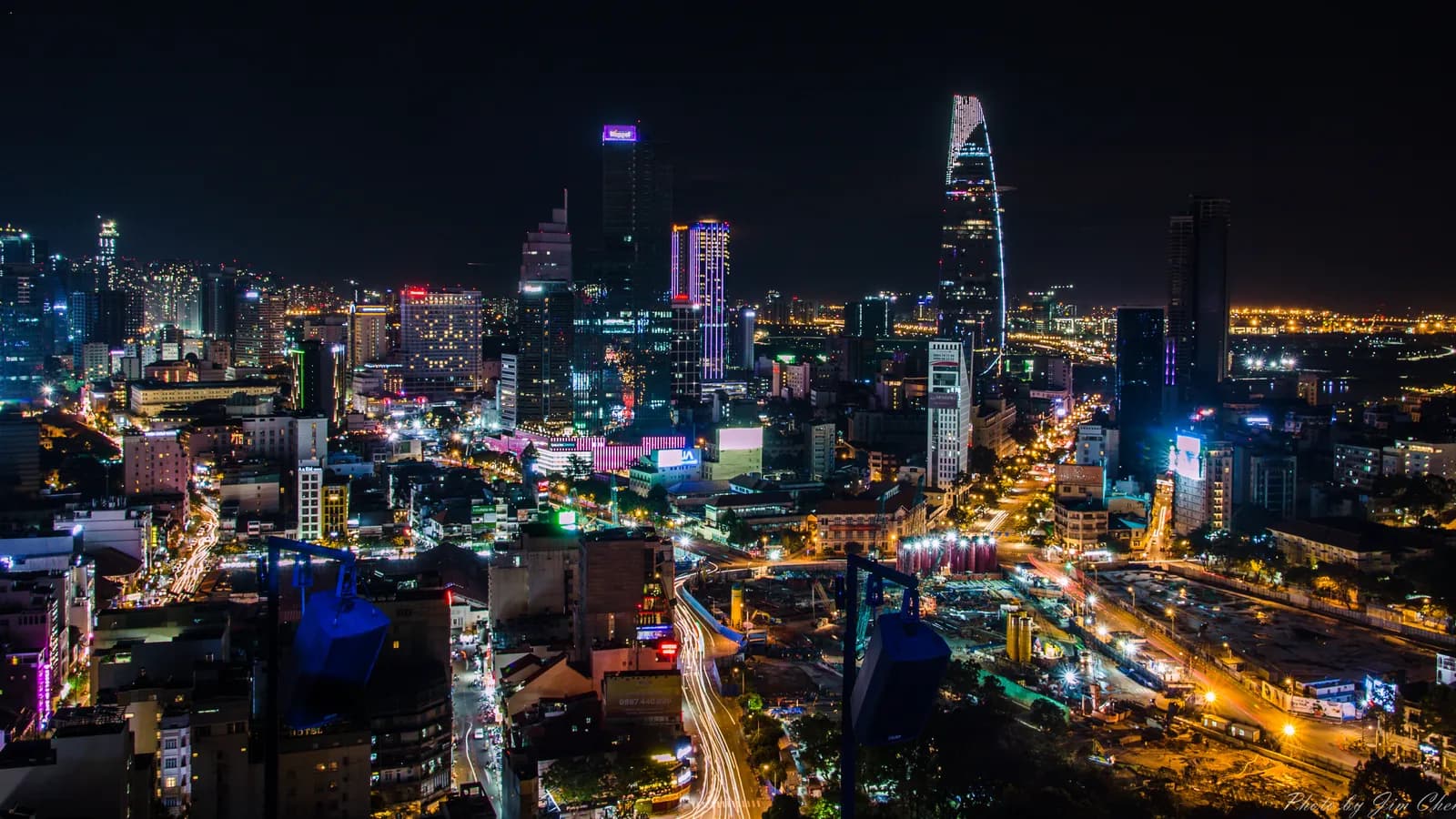
The rock-bottom prices are June through September — but you pay in weather
Vietnam's cheapest stretch is the wet season — June through September — when domestic flights drop 30–40% from peak, hotels in Hoi An and Da Nang fall to year-round lows, and tour operators slash group rates to fill seats. The catch is the weather: Hanoi 320–387mm of rain per month, central typhoon risk building, and the south in daily-afternoon-storm mode.
For most travelers this is too punishing. The smart play is finding the windows where prices are still off-peak but the weather is workable.
The two smartest price-to-weather windows
Mid-November and late March are the two sweet-spot windows where you get near-peak weather at 20–30% lower prices than peak January.
- Mid-November— past the central-coast typhoon season, before Christmas/New Year price spikes. Hanoi and Halong Bay are at peak dry season, Hoi An has usually recovered from October flooding, and HCMC has entered its dry phase. Prices haven't built up to December peak yet.
- Late March — past the Tet domestic surge, before the Western-tourist April push, and the central coast is at peak dry. Hanoi is comfortably warm (~26°C). The country-spanning sweet spot at off-peak prices.
What "cheap" actually looks like in Vietnam
Even at peak season, Vietnam is one of the cheapest major travel destinations anywhere. Concrete numbers:
- Mid-range hotels — $25–60/night in Hanoi/HCMC year-round; falls to $18–40 in wet season
- Domestic flights — Hanoi → Da Nang is typically $25–40 in dry season, $15–25 in wet
- Street food meal — $1.50–3 (no real seasonality)
- Sit-down restaurant — $5–12 per person (no real seasonality)
- Halong Bay overnight cruise — $90–180/person dry, $60–120 wet
The seasonality move is hotels and flights — food, transport apps (Grab), and attraction tickets are basically flat across the year.
Avoid the price spikes
Three windows where prices spike sharply and you should NOT plan to be in Vietnam if budget matters:
- Tet (Lunar New Year — late January / early February depending on the year) — domestic flights and trains can triple. Many small businesses close. The cultural spectacle is genuine but the price math is brutal.
- Christmas + New Year (Dec 22 – Jan 5) — Western-tourist surge. Hoi An, Da Nang, Phu Quoc resort prices double.
- Reunification Day + Labour Day (April 30 – May 1) — domestic travel surge for 3 days. Sharp spike in flight prices, harder to book popular routes.
The honest cheapest-time verdict
If you accept the weather: July–August. Year-round-low prices across hotels and flights. Hanoi and HCMC bearable with daily-storm planning; central coast unworkable.
If you want best value AND workable weather: mid-November or late March. The full positive picture is in our best time to visit Vietnam guide.
Your Vietnam cheat sheet
One email with the whole year in it — and the questions that actually change a trip there, answered.
- All 12 months scored 0–100
- The low-price windows, and their trade-offs
- The questions that change the plan, answered
- Plus the Travel Timing Calendar 2027: every destination, every month (PDF)
We'll email you your cheat sheet with the Travel Timing Calendar, plus occasional travel-timing guides. Unsubscribe anytime; see our privacy policy.
The year at a glance
Twelve months, three seasons
Each cell is one month. Lemon means peak, sky means shoulder, gray means avoid. The outlined cell is the current month.
Atlas Ranger Score · proprietary
When Vietnam scores best, month by month
Our transparent 0–100 score blends weather comfort, crowds, value and festivals into one number per month. How it's calculated →
- Best monthMarch 81
- Best valueApril 74 off-peak
- ToughestSeptember 42
See how Vietnam ranks against every destination on the Best Time to Travel leaderboard →
Explore the map
Every city, every month
Drag the month scrubber, hover any city, read the headline for that window.
Conditions right now
Right now in Vietnam: 25°C, clear sky, air quality moderate (US AQI 93).
Updated Oct 7, 8:45 AM · Live data from Open-Meteo
Vietnam vs Nearby Destinations
vs Thailand
Pick Vietnam for a culture-heavy linear trip (north→south arc, ~2 weeks). Pick Thailand for beaches + nightlife with shorter flights from Europe. Vietnam is slightly cheaper and less touristy; Thailand has more developed beach destinations. Both work well as a first SE Asia trip — many travelers do one then the other.
vs Cambodia
Vietnam is bigger, more diverse, and has more developed infrastructure. Cambodia is shorter (3–5 days for Angkor + Phnom Penh) and pairs well with a Vietnam trip — many travelers add 4 days in Siem Reap to a Vietnam itinerary.
Airport transfers, money, water, connectivity and which areas to stay in are covered once, on the Vietnam best-time guide.
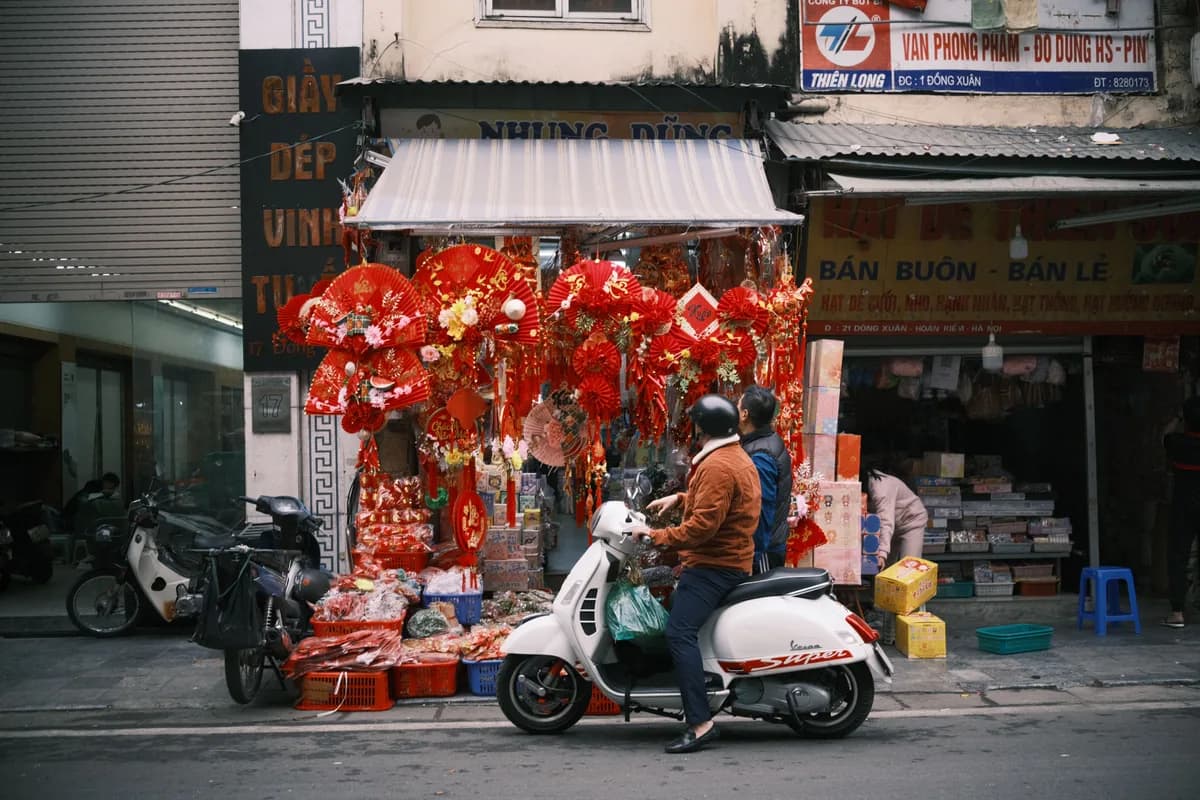
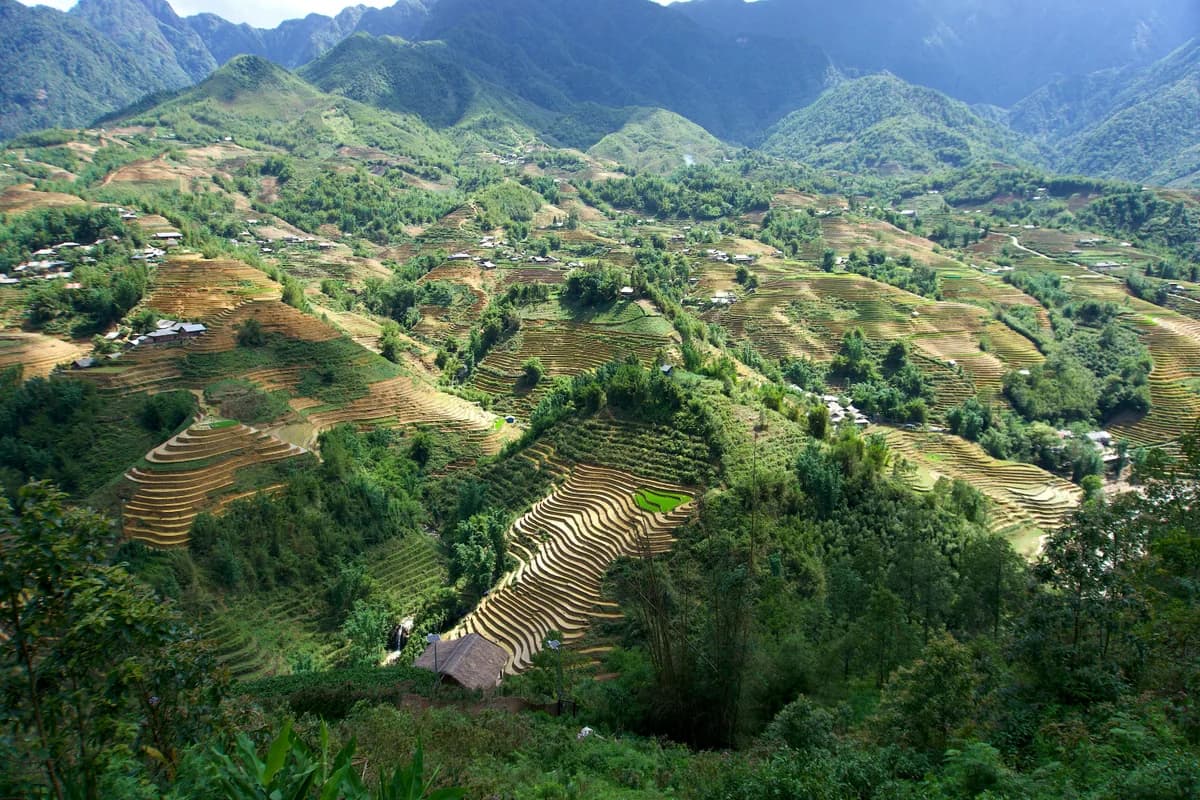
Vietnam in pictures

Frequently asked questions
What is the best month to visit Vietnam?
What is the worst month to visit Vietnam?
When is the rainy season in Vietnam?
How many days do you need in Vietnam?
Is Vietnam safe for tourists?
Should I visit Vietnam or Thailand?
When is the cheapest time to visit Vietnam?
Keep planning
Plan your Vietnam trip
Sources
Every claim on this page is backed by an authoritative source. Atlas Ranger synthesizes data from multiple references so you can see exactly where each fact came from.
- Vietnam National Administration of TourismUsed for: Official tourism guidance, festival timing, regional travel intel
- Open-Meteo Historical Climate Data (ERA5)Used for: Monthly temperature, rainfall, sunshine averages (2020–2024) — Hanoi as national proxy
- U.S. State Department Vietnam Travel AdvisoryUsed for: Independent safety assessment + entry requirement reference
- NOAA Joint Typhoon Warning CenterUsed for: Typhoon track records and seasonality for the Vietnamese coast