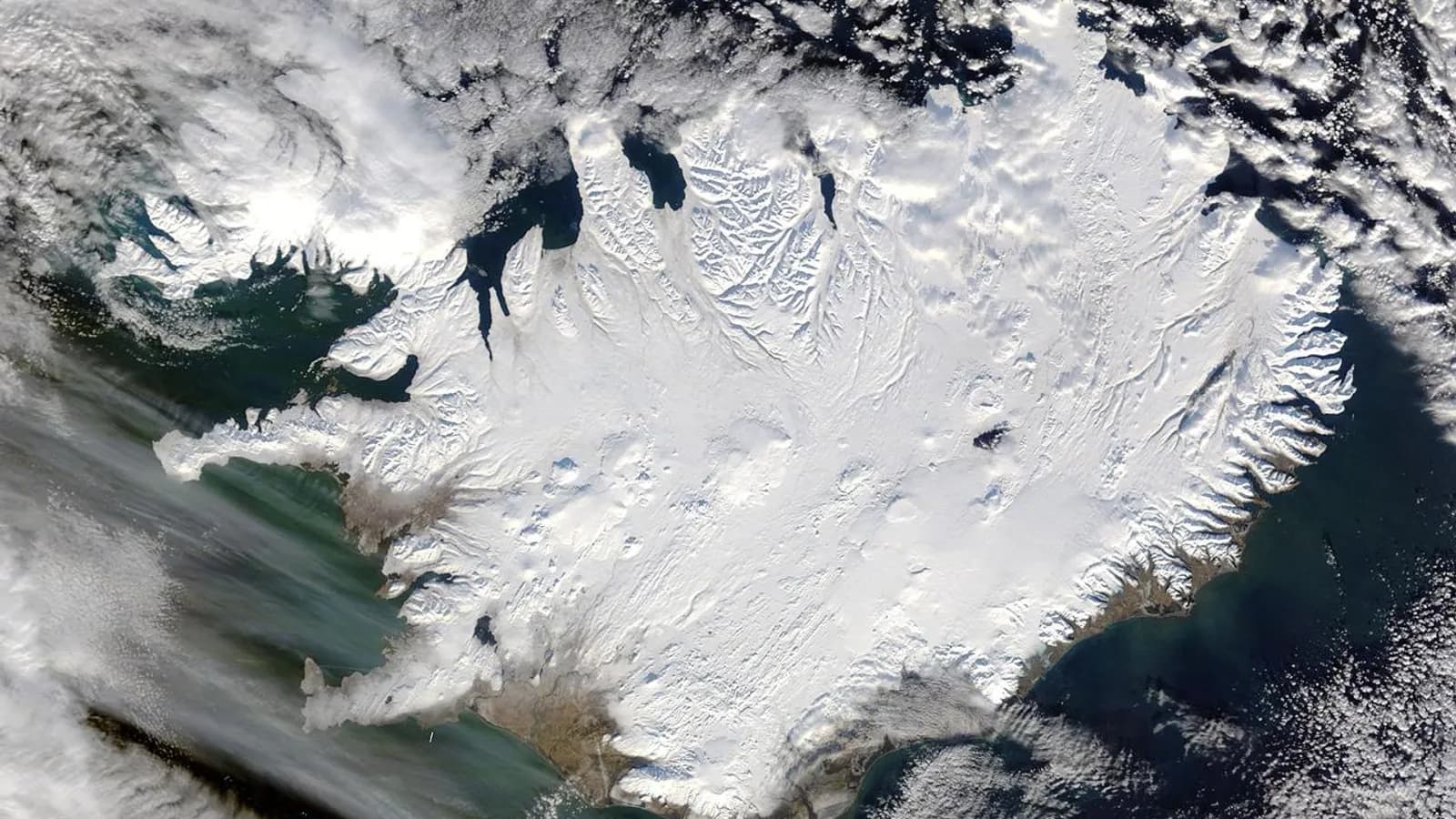
December and January carry real winter-storm and daylight risk
Iceland in mid-winter is dramatically beautiful — and a real planning challenge. The combination most travelers underestimate:
- 4–5 hours of usable daylight in late December (sunrise around 11:30, sunset around 15:30 in Reykjavík). Sightseeing windows are short.
- Atlantic storms close roads with 12–24 hours notice. The Ring Road around the country closes regularly through winter — your itinerary needs buffer days. Check road.is daily.
- Many highland routes (F-roads) are closed entirely from October through May. The interior — Landmannalaugar, Þórsmörk — is off-limits without serious 4WD experience.
- Black ice on every road. Studded winter tires are mandatory but driving conditions can flip in minutes.
These aren't deal-breakers — winter Iceland is the aurora season — but they require planning. Self-drive Ring Road trips in December–January are NOT for first-time visitors.
The aurora-vs-conditions tradeoff
Aurora viewing peaks in February (statistically the best month — long dark nights + relatively stable weather), but December–January are popular because of the full winter-wonderland aesthetic. The honest tradeoff:
- December: shortest days, most storm closures, peak Christmas tourist prices (especially New Year). Aurora chances real but cloud cover often blocks viewing — see our live aurora map with cloud overlay for real-time conditions.
- January: still very short days, post-NYE prices drop, storm frequency same as December. Aurora odds slightly better than December.
- February: days noticeably longer (8 hrs by month end), aurora at its statistical best, fewer storm closures. The smartest aurora-visit month.
The summer-but-not-quite window (June)
Iceland in June is the opposite problem — 21+ hours of daylight, no aurora at all, peak Atlantic puffin season. Worth knowing if you specifically want aurora: skip May–August entirely. The aurora exists but the sky never gets dark enough to see it.
Crowd peaks worth avoiding
- Mid-June through August — European summer + cruise-ship arrivals. Reykjavík restaurants book out, Golden Circle is bumper-to-bumper, Blue Lagoon requires booking 3+ weeks ahead.
- Christmas + New Year (December 26 – January 2) — Reykjavík NYE fireworks are spectacular but hotel prices double, restaurants book solid weeks ahead.
- Easter weekend — Icelandic domestic holiday surge to ski country. Less impactful for foreign tourists but worth noting.
Iceland is expensive year-round (but worse in summer)
Iceland is one of the most expensive countries in Europe regardless of season. Concrete: a sit-down dinner with one drink runs €40–70 per person; a basic guesthouse room is €120–200/night. Summer adds another 30–50% on top of that. October–April pricing is "still expensive but bearable", May–September is "genuinely shocking".
If your dates are locked, route smart
- Dec–Jan: Reykjavík + Golden Circle + Blue Lagoon as a short-radius trip from the city. Skip Ring Road. Book aurora tour buses (they chase clear skies) instead of self-drive aurora hunting.
- Jun–Aug: full Ring Road accessible but expensive. F-roads (interior) accessible. Skip aurora — the sky never gets dark.
- Easter: book everything 2+ months ahead.
For the full positive picture, see our best time to visit Iceland guide.
Your Iceland cheat sheet
One email with the whole year in it — and the questions that actually change a trip there, answered.
- All 12 months scored 0–100
- The months to skip, and when it turns good again
- The questions that change the plan, answered
- Plus the Travel Timing Calendar 2027: every destination, every month (PDF)
We'll email you your cheat sheet with the Travel Timing Calendar, plus occasional travel-timing guides. Unsubscribe anytime; see our privacy policy.
The year at a glance
Twelve months, three seasons
Each cell is one month. Lemon means peak, sky means shoulder, gray means avoid. The outlined cell is the current month.
Atlas Ranger Score · proprietary
When Iceland scores best, month by month
Our transparent 0–100 score blends weather comfort, crowds, value and festivals into one number per month. How it's calculated →
- Best monthJuly 49
- Best valueJuly 49 off-peak
- ToughestNovember 20
See how Iceland ranks against every destination on the Best Time to Travel leaderboard →
Explore the map
Every city, every month
Drag the month scrubber, hover any city, read the headline for that window.
Conditions right now
Right now in Iceland: 4°C, clear sky, air quality good (US AQI 23).
Updated Oct 7, 1:45 AM · Live data from Open-Meteo
Live tool · NOAA SWPC
Aurora visibility over Iceland right now
Atlas Ranger's aurora map pulls real-time NOAA data every 30 minutes. Bright cells are where the aurora is most likely tonight. The view is cropped to Iceland — for the global oval, see /aurora/tonight.
Iceland vs Nearby Destinations
vs Norway
Pick Iceland for a first aurora trip — easier flights, more compact, more day-time scenery to fill the daylight hours. Pick Norway (Tromsø, Lofoten) for repeat aurora trips, statistically better night-sky conditions inside the auroral oval, and longer aurora seasons. Norway is also better for fjord scenery; Iceland is better for volcanic landscapes.
vs Finland
Pick Finnish Lapland (Rovaniemi, Saariselkä) for the Christmas/Santa angle, glass igloo accommodation, and reindeer/Husky experiences. Pick Iceland for dramatic landscapes, hot springs, and a fuller travel destination. Finland is more aurora-only; Iceland is aurora-plus-everything-else.
vs Faroe Islands
Faroe Islands are Iceland's smaller, quieter cousin — dramatic Atlantic islands, far fewer tourists, much smaller scale. Pick Faroe for a quiet 4–5 day photography trip; pick Iceland for a full 8–10 day road-trip destination with more variety and infrastructure.
Airport transfers, money, water, connectivity and which areas to stay in are covered once, on the Iceland best-time guide.
Things to do in Iceland
Self-guided tours and skip-the-line tickets you can book ahead.



Tours & tickets via WeGoTrip — we may earn a commission, at no extra cost to you.
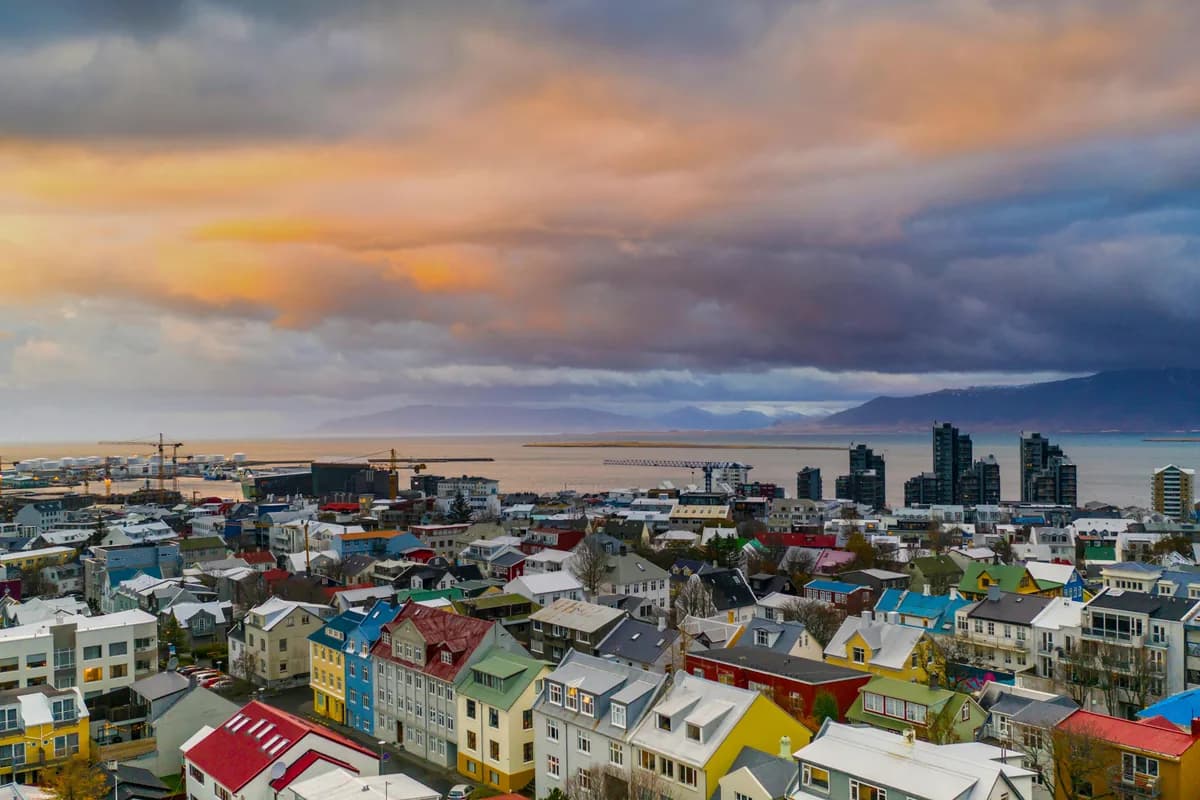
Iceland in pictures

Frequently asked questions
What is the best month to visit Iceland?
What is the worst month to visit Iceland?
When is the rainy season in Iceland?
How many days do you need in Iceland?
Is Iceland safe for tourists?
Should I visit Iceland or Norway for the northern lights?
When is the cheapest time to visit Iceland?
Keep planning
Plan your Iceland trip
Sources
Every claim on this page is backed by an authoritative source. Atlas Ranger synthesizes data from multiple references so you can see exactly where each fact came from.
- Visit Iceland (Official tourism)Used for: Official Iceland tourism guidance, festival timing, regional information
- Open-Meteo Historical Climate Data (ERA5)Used for: Monthly temperature, rainfall, sunshine averages (2020–2024)
- Veðurstofa Íslands (Icelandic Met Office) + road.isUsed for: Live weather warnings, aurora forecasts, road conditions — essential trip planning
- U.S. State Department Iceland Travel AdvisoryUsed for: Independent safety assessment + entry requirement reference
- NOAA Space Weather Prediction CenterUsed for: Live aurora forecast (powers Atlas Ranger's aurora map)