Yellowstone · Things to do
Things to do in Yellowstone
The ten best things to do in Yellowstone, with the season that suits each one, drive times between them, and the guided tours worth booking if you would rather not plan it all yourself.
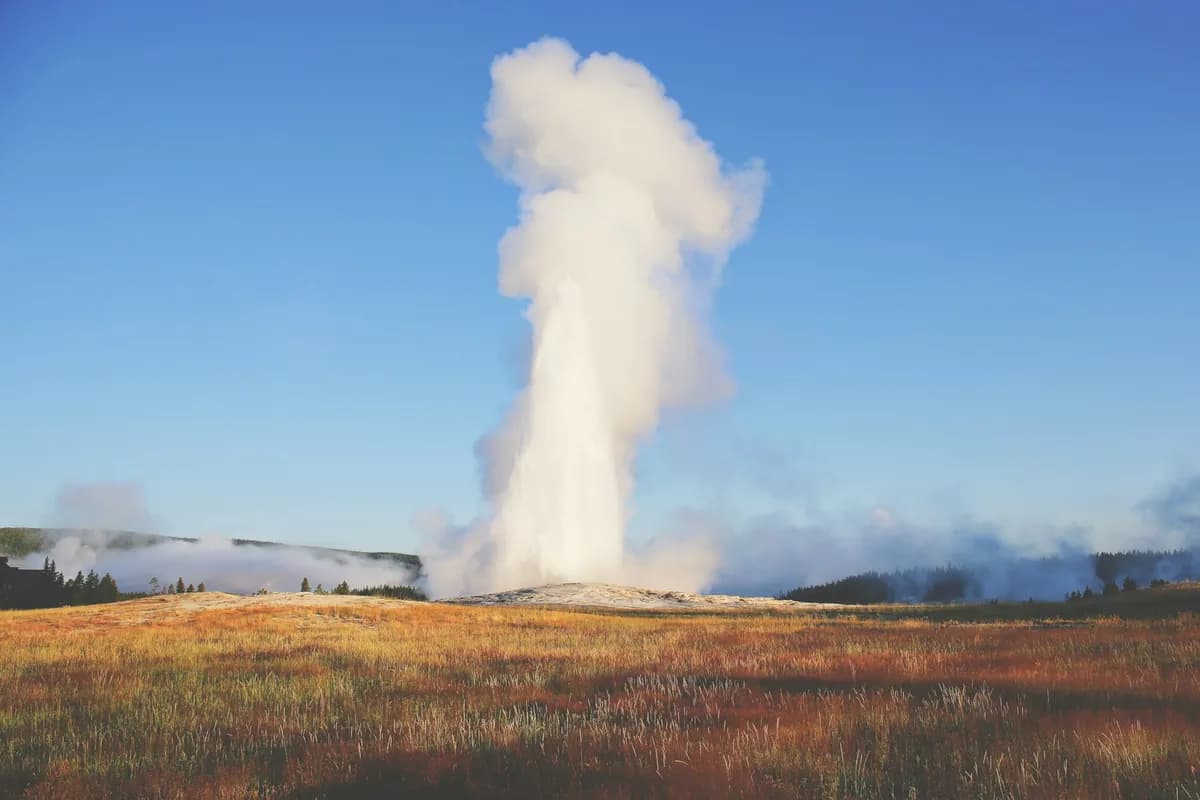
The best things to do in Yellowstone, at a glance
Short on time? Start with the first four, and arrive before 7 am or after noon to beat the summer traffic.
| What to do | Where | Best time |
|---|---|---|
| Watch Old Faithful erupt | Upper Geyser Basin | Year-round; winter by oversnow only |
| See Grand Prismatic Spring | Midway Geyser Basin | June to September, ideally before 10 am |
| Walk the rims of the Grand Canyon of the Yellowstone | Canyon Village | June for peak waterfall flow |
| Spot wolves and bears in Lamar Valley | Northeast | Year-round; May for bears and pups |
| Drive Hayden Valley at dawn or dusk | Between Canyon and Lake | July to September |
| Walk the terraces at Mammoth Hot Springs | North | Year-round, reachable by car |
| Take a boat out on Yellowstone Lake | Bridge Bay | Mid-June to mid-September |
| Hike a trail away from the crowds | Parkwide | July to September for high trails |
| See Tower Fall and ride at Roosevelt | Tower-Roosevelt | June to early September |
| Take a snowcoach to Old Faithful in winter | Groomed roads | Mid-December to early March |
Guided Yellowstone tours worth booking
A guide helps most with wildlife. The day tour starts in the park; the longer tours include hotels and transport from Salt Lake City.
- Top pick
 KlookYellowstone wildlife tourSpotting scopes and a naturalist guide in Lamar ValleyFrom $2508 hours in Lamar Valley with a naturalist guide and spotting scopesSee tour →
 KKdayYellowstone tour from Salt Lake CityFrom $7784 days, with Grand Teton and the Great Salt LakeSee tour →
- KlookGrand Teton and Yellowstone tourFrom $9984 days from Salt Lake City, with Old Faithful and the canyonSee tour →


1. Watch Old Faithful erupt
Upper Geyser Basin. Best time: Year-round; winter by oversnow only.
The Upper Geyser Basin holds the world's largest concentration of geysers, and Old Faithful is the one everyone comes for. Boardwalks loop out to Castle Geyser and Grand Geyser, so plan on more than one eruption. Check the predictions at the visitor center, which is open from mid-April to the end of October and again from mid-December in winter.
Base yourself in West Yellowstone for the shortest drive here from outside the park.
2. See Grand Prismatic Spring
Midway Geyser Basin. Best time: June to September, ideally before 10 am.
This is the rainbow-ringed pool from the photos, the largest hot spring in the park. A boardwalk runs right around it. Parking is limited, and the National Park Service advises avoiding the main sights between 10 am and 4 pm, so go early or late in the day. Stay on the boardwalk: burns are a common cause of serious injury in the thermal areas.
3. Walk the rims of the Grand Canyon of the Yellowstone
Canyon Village. Best time: June for peak waterfall flow.
The Yellowstone River drops over Upper and Lower Falls into a yellow-walled canyon, with overlooks and trails on the North and South Rims. June is when the falls run at full volume. Canyon Village is the most central place in the park to stay, and it is 35 minutes from Lake Village and 30 minutes from Norris Junction.
4. Spot wolves and bears in Lamar Valley
Northeast. Best time: Year-round; May for bears and pups.
Lamar Valley is the park's best-known wildlife ground, and it is on the one road open to cars all year. Come at first light with binoculars or a spotting scope. The National Park Service lists black bears, bison calves, wolf pups, moose calves and pronghorn calves here in May, and wolves through winter. Stay at least 100 yards from bears and wolves.
The closest base is Gardiner, where to stay for Lamar Valley, and our best time to visit Yellowstone guide has which animals to expect each month.
5. Drive Hayden Valley at dawn or dusk
Between Canyon and Lake. Best time: July to September.
Between Canyon Village and Yellowstone Lake, this wide valley is known for bison, with the rut in July and August, and raptor migration in September and October. Use the pullouts rather than stopping in the road, and stay at least 25 yards from bison and elk: they are wild and dangerous, however calm they look.
6. Walk the terraces at Mammoth Hot Springs
North. Best time: Year-round, reachable by car.
Stepped travertine terraces, boardwalks and the old buildings of Fort Yellowstone sit 15 minutes from the North Entrance. It is the one major thermal area you can drive to all year. Elk often graze the lawns here, with calves in May and June and the rut from September, and the Albright Visitor Center is within walking distance.
7. Take a boat out on Yellowstone Lake
Bridge Bay. Best time: Mid-June to mid-September.
Boat tours and motorboat rentals run from Bridge Bay Marina, from June 12 in the 2026 season. Lake water is extremely cold, in the 40s Fahrenheit in June and only the 60s by late summer, and sudden winds can raise waves of three to five feet, so a guided tour is the easy option. All private craft need an inspection and permit first.
8. Hike a trail away from the crowds
Parkwide. Best time: July to September for high trails.
The park has more than 1,100 miles of trails, and day hikes need no permit. Most areas hold snow until late May or early June, and some high passes until late July, so stick to lower elevations early in the season. Carry bear spray, and rent it at Canyon or Old Faithful if you are flying in.
9. See Tower Fall and ride at Roosevelt
Tower-Roosevelt. Best time: June to early September.
Tower Fall drops 132 feet, close to the road. Nearby Roosevelt has horseback and stagecoach rides, listed from June 5 to September 7 in the 2026 season, and it is a quieter corner of the park with rolling sagebrush hills and canyon scenery. The road south over Dunraven Pass is the last to open and among the first to close.
10. Take a snowcoach to Old Faithful in winter
Groomed roads. Best time: Mid-December to early March.
In winter the interior is reached only on guided snowcoaches and snowmobiles, and the geyser basins steam in deep snow. You can stay at Old Faithful Snow Lodge overnight, or take a day trip from West Yellowstone. Our guide to Yellowstone in winter has dates, roads and how to book.
See Yellowstone in winter before you book.
Drive times between Yellowstone's main sights
National Park Service averages. Wildlife on the road, weather and road work can add much more.
| Road | Average drive |
|---|---|
| West Entrance to Madison Junction | 30 min |
| Madison Junction to Old Faithful | 35–45 min |
| Old Faithful to Grant Village | 40 min |
| Grant Village to Lake Village | 45 min |
| Lake Village to Canyon Village | 35 min |
| Canyon Village to Tower Junction | 50–60 min |
| Tower Junction to Mammoth Hot Springs | 40 min |
| Mammoth Hot Springs to Norris Junction | 45 min |
| Northeast Entrance to Tower Junction | 60 min |
Check the Yellowstone forecast and the park road status before you set out each morning.
Book your Yellowstone trip
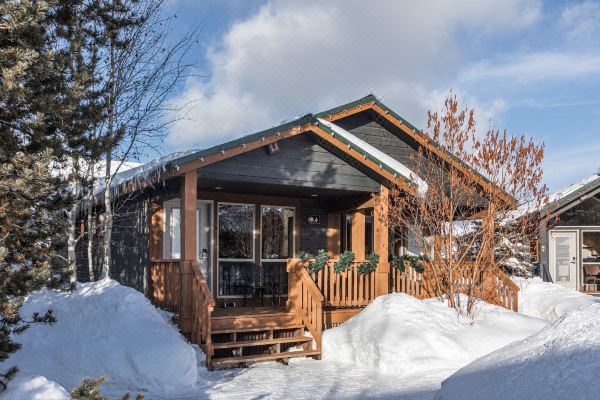
 Trip.comWest YellowstoneExplorer Cabins at YellowstoneSeptember dates: 12–18 Sep 2027See rates on Trip.com →
 Trip.comWest YellowstoneHoliday Inn West YellowstoneSeptember dates: 12–18 Sep 2027See rates on Trip.com →
 Trip.comWest YellowstoneThe Adventure Inn YellowstoneSeptember dates: 12–18 Sep 2027See rates on Trip.com →
 Trip.comWest YellowstoneBest Western Desert InnSeptember dates: 12–18 Sep 2027See rates on Trip.com →
 Trip.comWest YellowstoneKelly Inn YellowstoneSeptember dates: 12–18 Sep 2027See rates on Trip.com →
- More hotels in West Yellowstone →
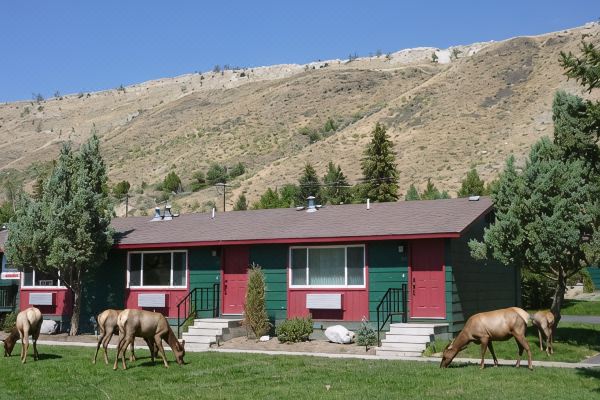 Trip.comGardinerYellowstone Gateway InnSeptember dates: 12–18 Sep 2027See rates on Trip.com →
 Trip.comGardinerYellowstone Big Rock InnSeptember dates: 12–18 Sep 2027See rates on Trip.com →
 Trip.comGardinerYellowstone River MotelSeptember dates: 12–18 Sep 2027See rates on Trip.com →
 Trip.comGardinerSuper 8 by Wyndham GardinerSeptember dates: 12–18 Sep 2027See rates on Trip.com →
- More hotels in Gardiner →
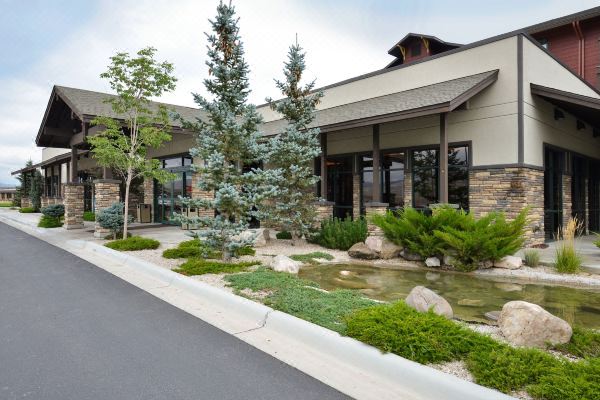 Trip.comCodyThe Cody HotelSeptember dates: 12–18 Sep 2027See rates on Trip.com →
 Trip.comCodyBest Western Premier Ivy Inn & SuitesSeptember dates: 12–18 Sep 2027See rates on Trip.com →
 Trip.comCodyHampton Inn & Suites CodySeptember dates: 12–18 Sep 2027See rates on Trip.com →
 Trip.comCodyCody Legacy Inn & SuitesSeptember dates: 12–18 Sep 2027See rates on Trip.com →
- More hotels in Cody →
 Trip.comJacksonThe Alpine HouseSeptember dates: 12–18 Sep 2027See rates on Trip.com →
 Trip.comJacksonHomewood Suites by Hilton JacksonSeptember dates: 12–18 Sep 2027See rates on Trip.com →
 Trip.comJacksonMountain Modern Jackson HoleSeptember dates: 12–18 Sep 2027See rates on Trip.com →
 Trip.comJacksonElk Country InnSeptember dates: 12–18 Sep 2027See rates on Trip.com →
- More hotels in Jackson →

- KlookYellowstone wildlife tourfrom US$2508 hours in Lamar Valley with a naturalist guide and spotting scopes · free cancellationBook on Klook →
- KKdayYellowstone and Grand Teton wildlife tripfrom US$21994 days, 3 nightsBook on KKday →
- KKdayYellowstone winter tourfrom US$12885 days from Salt Lake City, with Grand TetonBook on KKday →
- See all Yellowstone tours →


- KKdayWinter and spring wildlife safarifrom US$173Sunset drive from Jackson Hole · free cancellationBook on KKday →
- KKdayWinter and spring sunrise safarifrom US$173Early start from Jackson Hole · free cancellationBook on KKday →
- KKdaySnake River scenic floatfrom US$99Guided float in Grand Teton · free cancellationBook on KKday →
- See all Yellowstone tours →






Partner links. Prices and availability are set by the partner. We may earn a commission, at no extra cost to you.
Questions people ask
What is the number one thing to do in Yellowstone?
Seeing Old Faithful and the Upper Geyser Basin is the classic first stop, closely followed by Grand Prismatic Spring. If you only have one day, pair them with the Grand Canyon of the Yellowstone, leaving early to beat the traffic.
How many days do you need to see Yellowstone?
Plan on at least three full days: one for the geyser basins, one for the canyon and Hayden Valley, and one for Mammoth and Lamar Valley. The park covers nearly 3,500 square miles, and drive times between sights run from 30 minutes to an hour or more.
What is there to do in Yellowstone for free?
Once you have paid the entrance fee, the boardwalks, overlooks, hiking trails, visitor centers and ranger programs are all included. A private vehicle pays $35 for seven days, and non-US residents aged 16 and over pay an extra $100 per person unless they hold an annual pass.
Can you see bears in Yellowstone?
Yes, most easily in May, along the road and in Lamar Valley, and again in September and October when they return to lower ground. They move higher and are harder to see in June. Always stay at least 100 yards away and carry bear spray on trails.
Do you need a guide or tour in Yellowstone?
No, most visitors drive themselves, but you do need a vehicle or a tour, as the park has no public transportation. A guided wildlife tour helps with finding animals and comes with spotting scopes. In winter, a commercial guide is needed for most oversnow travel.
How this guide was put together
Sights, seasons, dates and drive times come from the National Park Service's Things To Do, Seasons, Directions and Safety pages, read November 2, 2026. Dates are for the 2026 season and change each year, so check operating dates before you go. Tour prices are as listed by each partner that day.