Head to head
Iceland or Kyoto?
Kyoto, clearly — 55 vs 35 across the year.
Kyoto is the stronger pick overall — 55 vs 35 on the Atlas Ranger Score — leading 9 of 12 months. But Iceland keeps a window, pulling ahead in Jul (peaking July, 60) — so if those are your dates, it's the better call. Otherwise Kyoto, peaking November (61).


Month by month
When to go
Pick a month. The line shows each place's score across the year; the figures below are that month's averages.
In October, Kyoto is the better bet — 66 vs 32.
At a glance
Side by side
Your trip
Which should you pick?
PickIcelandPick Iceland if you want the northern lights, plus hiking — it leads in Jul and peaks in July (60).
PickKyotoPick Kyoto if you want history and temples, plus city life and food — it leads in Jan–May and Sep–Dec and peaks in November (61).
Plan your trip
Hotels, flights and more
Switch between the two. Hotel prices are for a week in each destination's best month.
Book Iceland

 Trip.comReykjavíkHotel Borg by KeahotelsJuly dates: 12–18 Jul 2027See rates on Trip.com →
 Trip.comReykjavíkThe Reykjavik EDITIONJuly dates: 12–18 Jul 2027See rates on Trip.com →
 Trip.comReykjavíkHotel VonJuly dates: 12–18 Jul 2027See rates on Trip.com →
 Trip.comReykjavíkHotel KletturJuly dates: 12–18 Jul 2027See rates on Trip.com →
 Trip.comReykjavíkFosshotel ReykjavíkJuly dates: 12–18 Jul 2027See rates on Trip.com →
- More hotels in Reykjavík →
 Trip.comSouth CoastLoa´s Nest GuesthouseJuly dates: 12–18 Jul 2027See rates on Trip.com →
 Trip.comSouth CoastMidgard Base CampJuly dates: 12–18 Jul 2027See rates on Trip.com →
 Trip.comSouth CoastThe BarnJuly dates: 12–18 Jul 2027See rates on Trip.com →
 Trip.comSouth CoastHotel RangaJuly dates: 12–18 Jul 2027See rates on Trip.com →
 Trip.comSouth CoastHotel VosJuly dates: 12–18 Jul 2027See rates on Trip.com →
- More hotels in Iceland →
 Trip.comAkureyriSkald Hotel Akureyri Curio Collection by HiltonJuly dates: 12–18 Jul 2027See rates on Trip.com →
 Trip.comAkureyriHotel AkureyriJuly dates: 12–18 Jul 2027See rates on Trip.com →
 Trip.comAkureyriHrimland GuesthouseJuly dates: 12–18 Jul 2027See rates on Trip.com →
 Trip.comAkureyriAkureyri - Berjaya Iceland HotelsJuly dates: 12–18 Jul 2027See rates on Trip.com →
 Trip.comAkureyriGuesthouse BaegisaJuly dates: 12–18 Jul 2027See rates on Trip.com →
- More hotels in Iceland →
 Trip.comHöfnHöfn - Berjaya Iceland HotelsJuly dates: 12–18 Jul 2027See rates on Trip.com →
 Trip.comHöfnApotek GuesthouseJuly dates: 12–18 Jul 2027See rates on Trip.com →
 Trip.comHöfnMilk FactoryJuly dates: 12–18 Jul 2027See rates on Trip.com →
 Trip.comHöfnGlacier World - Hoffell GuesthouseJuly dates: 12–18 Jul 2027See rates on Trip.com →
 Trip.comHöfnHeppa ApartmentsJuly dates: 12–18 Jul 2027See rates on Trip.com →
- More hotels in Iceland →

 KlookGolden Circle & Kerid Crater day tourfrom US$96Gullfoss, Geysir and Thingvellir from Reykjavik · free cancellationBook on Klook →
- KlookSnæfellsnes Peninsula full-day tourfrom US$140Guided day trip from Reykjavik · free cancellationBook on Klook →
- KlookNorthern Lights bus tourfrom US$82Evening bus tour from Reykjavik · free cancellationBook on Klook →
- KlookSouth Iceland guided tourfrom US$131Waterfalls and the south coast from Reykjavik · free cancellationBook on Klook →
- KlookSouth Coast small-group tourfrom US$147Seljalandsfoss, Skógafoss and black sand beach · free cancellationBook on Klook →
- See all Iceland tours →


- KlookVatnajökull ice cave & glacier hikefrom US$155Guided glacier hiking day · free cancellationBook on Klook →
- KlookSkaftafell glacier discovery hikefrom US$116Guided hike on the Falljökull glacier · free cancellationBook on Klook →
- KlookSouth Coast classic day tripfrom US$141Seljalandsfoss and Reynisfjara from the south · free cancellationBook on Klook →
- KlookWhale watching in Akureyrifrom US$114Boat trip from Akureyri · free cancellationBook on Klook →
- KlookGoðafoss & Lake Mývatn half-day tourfrom US$170Half-day trip from Akureyri · free cancellationBook on Klook →
- See all Iceland tours →







Partner links. Prices and availability are set by the partner. We may earn a commission, at no extra cost to you.
Book Kyoto
 Trip.comHigashiyamaThe Hotel Higashiyama Kyoto, a Tokyu Pan Pacific hotelNovember dates: 12–18 Nov 2026See rates on Trip.com →
 Trip.comHigashiyamaDoubleTree by Hilton Kyoto HigashiyamaNovember dates: 12–18 Nov 2026See rates on Trip.com →
 Trip.comHigashiyamaHotel Sui Kyoto KiyomizuNovember dates: 12–18 Nov 2026See rates on Trip.com →
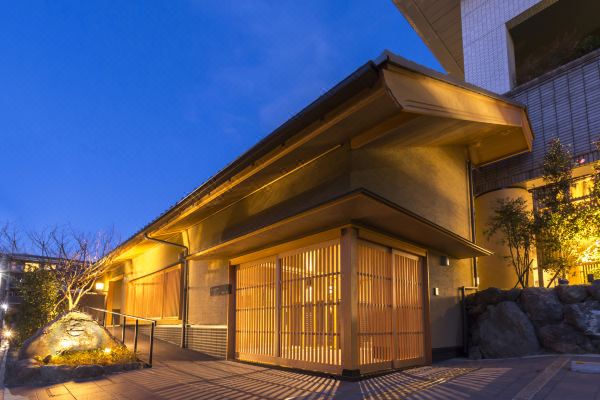 Trip.comHigashiyamaSaka Hotel KyotoNovember dates: 12–18 Nov 2026See rates on Trip.com →
 Trip.comHigashiyamaHotel KyotologyNovember dates: 12–18 Nov 2026See rates on Trip.com →
- More hotels in Kyoto →
 Trip.comKyoto StationMiyako Hotel Kyoto HachijoNovember dates: 12–18 Nov 2026See rates on Trip.com →
 Trip.comKyoto StationThe Royal Park Hotel Kyoto UmekojiNovember dates: 12–18 Nov 2026See rates on Trip.com →
 Trip.comKyoto StationDusit Thani KyotoNovember dates: 12–18 Nov 2026See rates on Trip.com →
 Trip.comKyoto StationThe Thousand KyotoNovember dates: 12–18 Nov 2026See rates on Trip.com →
 Trip.comKyoto StationRihga Royal Hotel KyotoNovember dates: 12–18 Nov 2026See rates on Trip.com →
- More hotels in Kyoto →
 Trip.comKarasuma / ShijoMitsui Garden Hotel Kyoto ShijoNovember dates: 12–18 Nov 2026See rates on Trip.com →
 Trip.comKarasuma / ShijoSotetsu Fresa Inn Kyoto ShijokarasumaNovember dates: 12–18 Nov 2026See rates on Trip.com →
 Trip.comKarasuma / ShijoThe OneFive Kyoto ShijoNovember dates: 12–18 Nov 2026See rates on Trip.com →
 Trip.comKarasuma / ShijoNOKU KyotoNovember dates: 12–18 Nov 2026See rates on Trip.com →
 Trip.comKarasuma / ShijoSolaria Nishitetsu Hotel Kyoto PremierNovember dates: 12–18 Nov 2026See rates on Trip.com →
- More hotels in Kyoto →
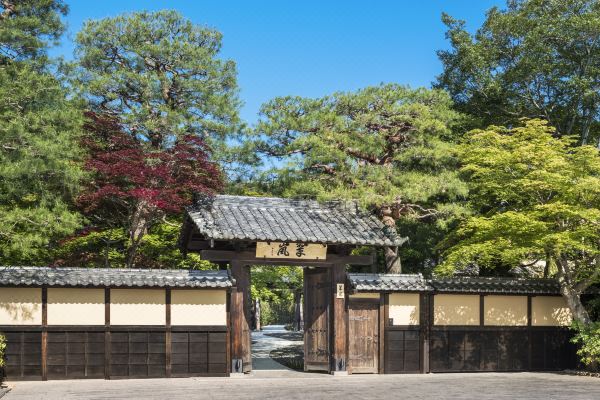 Trip.comArashiyamaSuiran, a Luxury Collection Hotel, KyotoNovember dates: 12–18 Nov 2026See rates on Trip.com →
 Trip.comArashiyamaHotel ArashiyamaNovember dates: 12–18 Nov 2026See rates on Trip.com →
 Trip.comArashiyamaHotel Utano Kyoto BeshoNovember dates: 12–18 Nov 2026See rates on Trip.com →
 Trip.comArashiyamaRiverside ArashiyamaNovember dates: 12–18 Nov 2026See rates on Trip.com →
 Trip.comArashiyamaHoshiya Ryokan TanzanNovember dates: 12–18 Nov 2026See rates on Trip.com →
- More hotels in Kyoto →
- KlookArashiyama, Nijo Castle & Fushimi Inari day tourfrom US$76Full-day Kyoto highlights tour · free cancellationBook on Klook →
- KlookKyoto & Nara day tour with Sagano Scenic Railwayfrom US$45Arashiyama, Nara Park and Fushimi Inari · free cancellationBook on Klook →
- KlookFushimi Inari half-day walking tourfrom US$39Guided walk through the torii gates · free cancellationBook on Klook →
- KlookHozugawa River boat ridefrom US$42Boat ride through the Hozugawa gorge near ArashiyamaBook on Klook →
- See all Kyoto tours →


- KlookteamLab Biovortex Kyoto ticketfrom US$28Digital art museum entryBook on Klook →
- KlookNAKED meets Nijo-jo Castlefrom US$5Light-and-sound event at Nijo CastleBook on Klook →
- KlookAmanohashidate & Ine day tripfrom US$51One of Japan's three scenic views, plus Ine · free cancellationBook on Klook →
- KlookUji Byodo-in & Fushimi Inari day tourfrom US$64Uji, Byodo-in and Fushimi Inari from Kyoto · free cancellationBook on Klook →
- KlookKyoto subway & bus 1-day ticketfrom US$8Unlimited city subway and bus rides for a day · free cancellationBook on Klook →
- See all Kyoto tours →


Partner links. Prices and availability are set by the partner. We may earn a commission, at no extra cost to you.
Booking links are affiliate links — they cost you nothing and help fund the Atlas Ranger Score.
Questions
Good to know
Is Iceland or Kyoto better to visit?
Kyoto is the clearer pick — 55 vs 35 on the Atlas Ranger Score, our 0–100 measure of weather, crowds, value, and timing across the year. It leads most of the year, though the month-by-month chart still shows the other's stronger windows.
Which has better weather, Iceland or Kyoto?
Kyoto averages a higher weather score (50 vs 28). Weather is the biggest input to the score, but both have strong months and weak months; the month-by-month chart shows exactly when.
When is it cheapest to visit Iceland or Kyoto?
Iceland is cheapest in Jan–Mar and Oct–Nov; Kyoto is cheapest in Jan–Feb and Jun. Those are the low and shoulder months, when hotel rates and crowds ease — usually because the weather is less reliable, so check the month-by-month scores above before you book.
Can I visit both Iceland and Kyoto in one trip?
Often yes — many travellers pair them. The smart move is to time each leg to its own best months. Check each destination's full guide (linked below) for the month-by-month detail, then sequence your trip so each stop lands in its strong window.