
 Trip.com









A capital with two seasons, not four
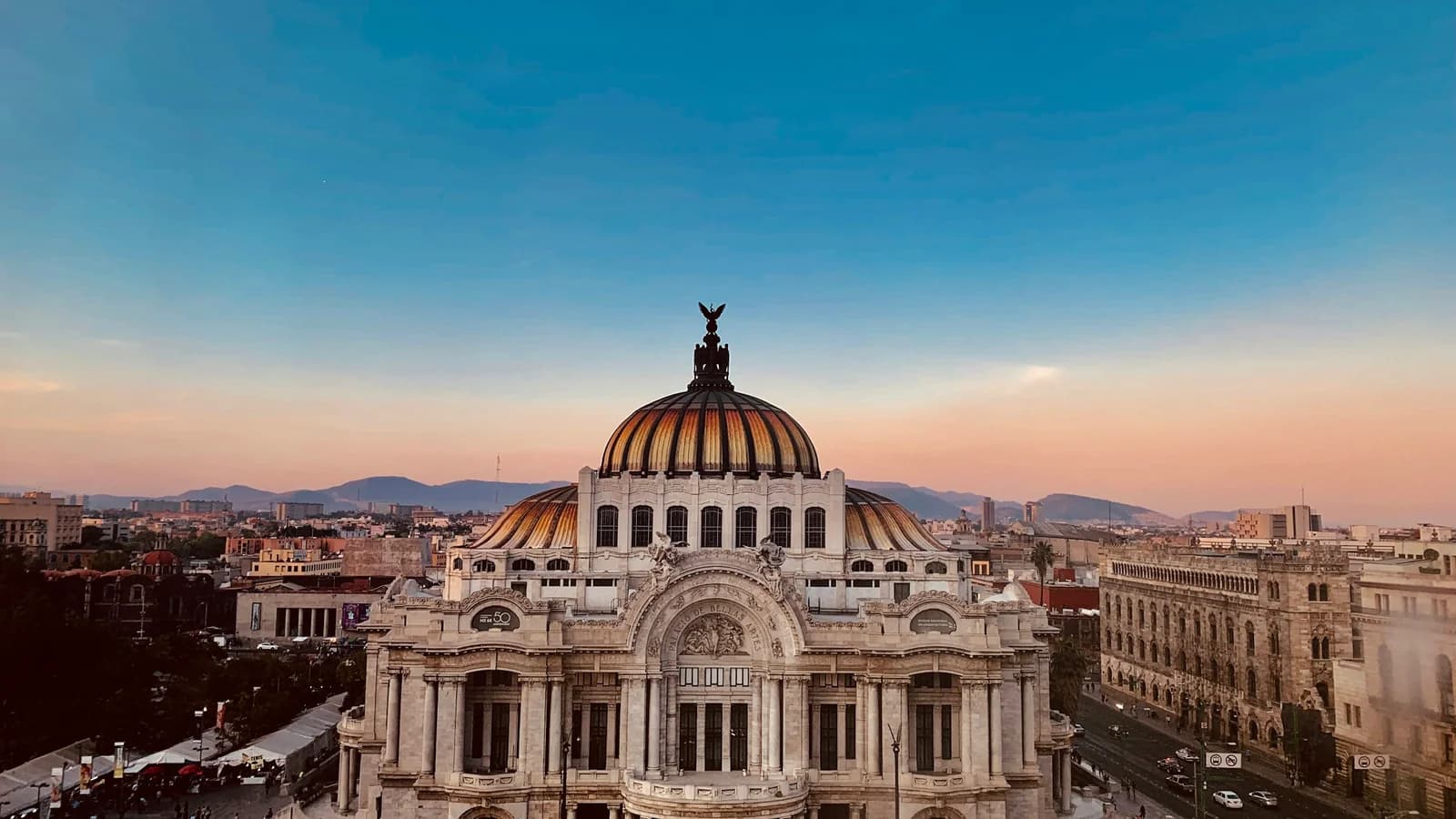
Mexico City sits at 2,240 metres in a high valley, and that altitude does something unusual to its calendar: the temperature barely moves all year. Afternoon highs hover between 22°C and 28°C in every month, and mornings stay cool. What actually changes — and what decides the best time to come — is rainfall and the clarity of the air. The year splits cleanly into a long, sunny dry season (roughly November to April) and a green, stormy rainy season (June to September). For most travellers, the dry months are the sweet spot.
The best months: March, April and May
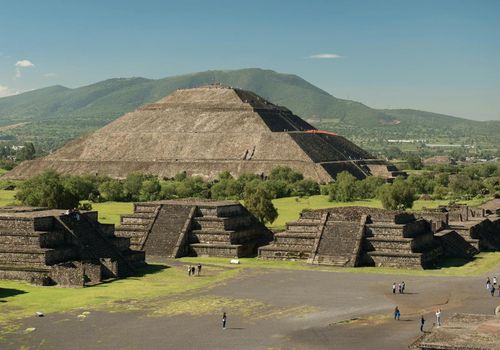
April is the standout month.It is the year's warmest and sunniest, with highs near 28°C, around twelve hours of daylight, and still-low rainfall of about 19mm before the wet season breaks. March matches it almost exactly — equally warm and dry — and May keeps the warmth while the very first afternoon showers begin to appear late in the month. This March-to-May stretch is the brightest, driest-air window of the year, made for sidewalk cafés, rooftop terraces, plaza-hopping and day trips out to the Teotihuacán pyramids.
Spring's headline act: the jacaranda bloom
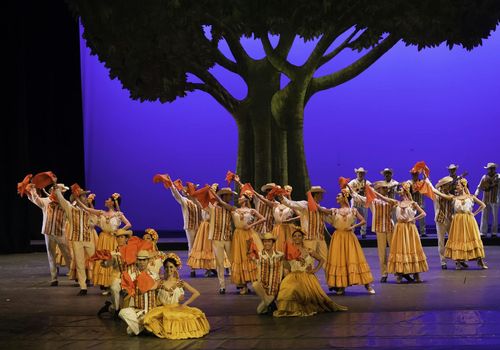
There is a reason spring tops so many shortlists. For a few weeks across March and into early April, thousands of jacaranda trees erupt in lilac-purple blossom, lining the avenues of Roma, Condesa and San Ángel and dusting whole plazas in colour. The bloom lands squarely in the warmest, driest stretch of the year, so the prettiest scenery arrives with the most reliable weather. It is, by a wide margin, the most photogenic window to visit — and it coincides with the Festival de México, which fills the historic centre with music, dance and theatre across March.
The other prime window: November and December
The dry season's far edge is just as rewarding. November returns to classic clear-sky conditions after the rains retreat — around 10mm of rain, warm afternoons near 24°C and crisp mornings — and it is one of the best all-round months on the calendar: bright, comfortable and relatively uncrowded once the Día de Muertos spike has passed. December is cooler and equally dry, with festive energy from Christmas markets, posadas and the Guadalupe pilgrimages. Both months deliver the postcard version of the city, though they bring the largest day-to-night temperature swings of the year.
If you come for Día de Muertos, plan early
Mexico City's signature celebration, Día de Muertos (October 31 to November 2), fills the city with marigold altars, painted faces and a grand parade down Reforma. It also lands right as the dry season returns, so the weather is usually excellent. The catch is demand — these few days are the single biggest spike of the year, when flights and hotels fill and prices climb. If the Day of the Dead is your reason to come, book flights and rooms months ahead and accept that you are travelling at the busiest moment on the city's calendar.
Why even the rainy season works for many travellers
Do not write off June to September. The rainy-season pattern here is unusually forgiving: mornings open bright and warm, clouds build through the day, and a heavy thunderstorm rolls in during the late afternoon or evening, often clearing by night. As long as you front-load sightseeing into the mornings, plenty of trips run smoothly — and the city is at its lush, green best, with lower prices to match. September adds the patriotic energy of Independence Day around the Zócalo. The trade is simply reliability: you cannot count on a dry afternoon the way you can in April.
One thing to plan for: the altitude
Whatever month you choose, respect the 2,240-metre elevation. Some visitors feel short of breath, headachy or tired on arrival as their body adjusts to the thinner air. The fix is simple: take your first day easy, skip strenuous hikes or long climbs at first, drink plenty of water and go gently on alcohol until you have acclimatised. The thin air also lets the sun bite harder than the mild temperatures suggest, so wear sunscreen even on cool, cloudy-looking days.
The short answer
For the best blend of warm, sunny days and dry afternoons, target March through May — and aim for the jacaranda weeks of late March if you want the city at its most beautiful. November and December are the excellent cool-and-clear alternative. The June–September rains are no deal-breaker for morning-focused travellers chasing lower prices and green parks. To see how the city stacks up against the rest of the country, compare it with the best time to visit Mexico or the beach-season rhythm of Cancun, or place it against every destination on the Best Time to Travel leaderboard.
Your Mexico City cheat sheet
One email with the whole year in it — and the questions that actually change a trip there, answered.
- All 12 months scored 0–100
- The months to book, and the ones to skip
- The questions that change the plan, answered
- Plus the Travel Timing Calendar 2027: every destination, every month (PDF)
We'll email you your cheat sheet with the Travel Timing Calendar, plus occasional travel-timing guides. Unsubscribe anytime; see our privacy policy.
The year at a glance
Twelve months, three seasons
Each cell is one month. Lemon means peak, sky means shoulder, gray means avoid. The outlined cell is the current month.
Atlas Ranger Score · proprietary
When Mexico City scores best, month by month
Our transparent 0–100 score blends weather comfort, crowds, value and festivals into one number per month. How it's calculated →
- Best monthApril 87
- Best valueFebruary 96 off-peak
- ToughestJuly 65
See how Mexico City ranks against every destination on the Best Time to Travel leaderboard →
Explore the map
Every city, every month
Drag the month scrubber, hover any city, read the headline for that window.
Storms near Mexico City right now
- Hurricane Trudy660km SSW of here, winds 105ktJoint Typhoon Warning Center →
Good to know
Before you go to Mexico City
The ground-level practicalities that make a trip smooth — the stuff that's hard to find until you're already there.
Two airports
Mexico City International (MEX, Benito Juárez) is about 5km east of the centre — 20–40 minutes by registered airport taxi or ride-share. A second airport, Felipe Ángeles (AIFA), sits roughly 45km north and serves some domestic and budget flights, so check which one your ticket uses before booking transfers.
Altitude — take day one easy
At 2,240m, the city sits high enough that some visitors feel short of breath, headachy or tired on arrival. Go slow the first day, skip strenuous hikes, drink plenty of water and ease up on alcohol until you have acclimatised. The thin air also means strong sun — wear sunscreen even on cool days.
Money — cards plus pesos
Cards are widely accepted in restaurants, hotels and larger shops, but markets, street food, small cafés and tips run on cash, so carry pesos (MXN). ATMs are plentiful; use ones inside banks or malls. A little Spanish goes a long way for prices and directions.
Getting around
The Metro is extensive and extremely cheap, though crowded at peak times; the Metrobús and EcoBici bikes cover central areas well. Ride-share apps are widely used, reliable and the safest door-to-door option, especially at night. Stick to registered transport rather than hailing taxis on the street.
Drink bottled water
Tap water is not reliably safe to drink here. Stick to bottled or filtered water, which hotels and restaurants provide, and use it for brushing teeth if you have a sensitive stomach. Reputable restaurants use purified water and ice, so you can eat out with confidence.
SIM / eSIM
Coverage in the city is strong. A local SIM or an eSIM bought before you fly gets you data the moment you land — handy for ride-share, maps and translation. Local prepaid SIMs are inexpensive and sold at the airport and convenience stores; bring your passport to register one.
Mexico vs Nearby Destinations
vs Cancun
Pick Mexico City for culture: museums, pyramids, markets and a legendary food scene in a mild highland capital. Pick Cancun for Caribbean beaches, resorts and warm-sea swimming. One is urban exploring on foot; the other is sun, sand and all-inclusive ease — different trips entirely, not really competitors.
vs Cabo San Lucas
Pick Mexico City for depth — history, neighbourhoods, art and dining at altitude, ideal in the dry November–April window. Pick Cabo San Lucas for desert-meets-sea resorts, marinas, golf and Pacific beaches. Culture-and-streets versus polished resort relaxation; choose by the kind of days you want, not the weather alone.
Where to stay in Mexico
- Roma / Condesa$$Cafés, dining, tree-lined walkability
The leafy, design-forward heart of the city — best restaurants, coffee and nightlife, plus easy walking and parks. The default first-trip base, safe and central, and dazzling under the spring jacarandas.
Compare hotels in Mexico City → - Centro Histórico$Sightseeing, history, budget value
Steps from the Zócalo, the cathedral and the major museums, with the best-value rooms in the city. Lively and atmospheric by day; choose your block carefully and stick to well-lit streets after dark.
Compare hotels in Mexico City → - Polanco$$$Upscale stays, fine dining, museums
The city's most polished district — high-end accommodation, marquee restaurants and luxury shopping, beside Chapultepec park and the Anthropology Museum. Quiet, secure and refined, at the top of the price range.
Compare hotels in Mexico City → - Coyoacán$$Colonial charm, slower pace, culture
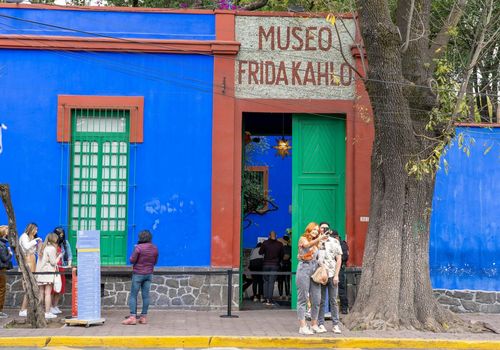
A cobblestoned southern quarter of plazas, markets and the Frida Kahlo Museum, with a village-like calm. Further from the centre but characterful and relaxed — a favourite for repeat visitors and longer stays.
Compare hotels in Mexico City →
Things to do in Mexico City
Self-guided tours and skip-the-line tickets you can book ahead.

Tours & tickets via WeGoTrip — we may earn a commission, at no extra cost to you.
Frequently asked questions
What is the best month to visit Mexico City?
What is the worst time to visit Mexico City?
When is the rainy season in Mexico City?
How many days do you need in Mexico City?
Is Mexico City safe for tourists?
Should I visit Mexico City or Cancun?
When is the cheapest time to visit Mexico City?
Keep planning
Plan your Mexico trip
Sources
Every claim on this page is backed by an authoritative source. Atlas Ranger synthesizes data from multiple references so you can see exactly where each fact came from.
- CDMX Travel (Official Mexico City tourism)Used for: Official Mexico City tourism guidance, events calendar and neighbourhood information
- Open-Meteo Historical Climate Data (ERA5)Used for: Monthly temperature, rainfall and sunshine averages (Benito Juárez, 2020–2024)
- U.S. State Department Mexico Travel AdvisoryUsed for: Independent safety assessment and state-by-state advisory reference
- CONAGUA — Servicio Meteorológico NacionalUsed for: National climate normals and rainy-season onset cross-reference