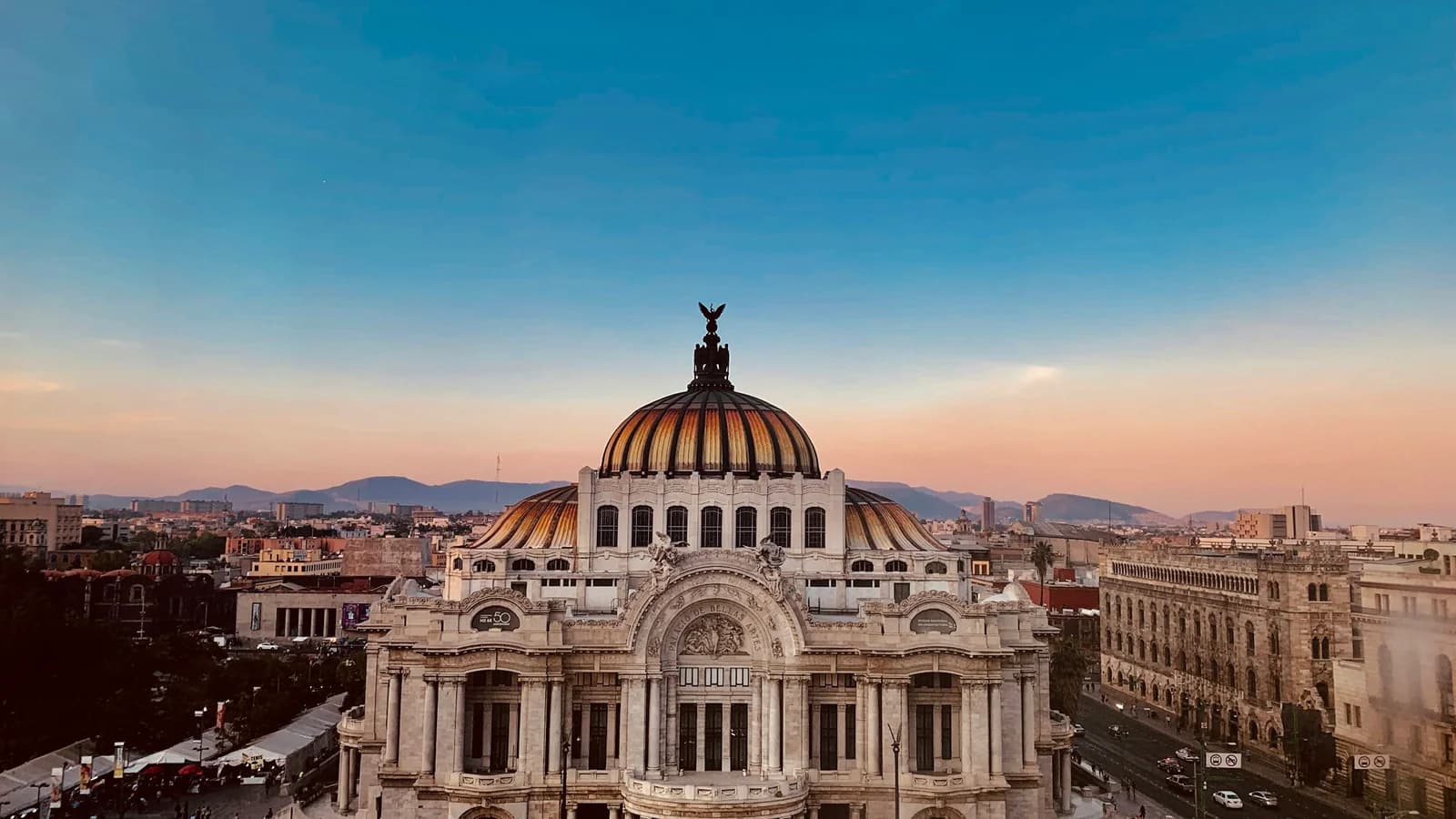

 Trip.com









The cheapest months: June through September
Mexico City is at its most affordable during the rainy season, June through September, when demand softens and both flight and hotel prices ease back from their dry-season levels. This is the same stretch when afternoon thunderstorms roll through the valley, and that is precisely why prices fall — fewer travellers want to gamble on a wet afternoon. The trade is real but narrow: temperatures barely change (highs stay near 23°C at this altitude), so you are not trading away warmth, only the guarantee of a dry, sun-baked afternoon.
Why the low season is better value than it looks
The thing that makes Mexico City's low season unusually good value is the forgiving rain pattern. Mornings open bright and warm, clouds gather through the day, and a heavy thunderstorm arrives in the late afternoon or evening — often clearing by night. Plan your sightseeing for the mornings and the rain barely dents the trip, yet you pay off-season rates. The city is also at its lush, green best in these months, with thinner crowds at the major museums and ruins, and September brings the patriotic spectacle of Independence Day around the Zócalo at no premium.
The most expensive times — and how to dodge them
The opposite of cheap is Día de Muertos (October 31 to November 2), the single biggest demand spike of the year, when flights and hotels sell out and prices peak. The Christmas–New Year holidays run a close second. The warm, dry March-to-May prime — jacaranda season included — is the costliest weather window too. If your dates are flexible, simply avoiding these peaks is the easiest saving of all; if your heart is set on Día de Muertos or the spring bloom, book as many months ahead as you can to lock in fairer rates.
The smartest value windows: May and October
If you want lower prices without committing to the wettest weeks, target the rainy season's edges. May stays warm and very sunny with only the first scattered late-month storms, sitting just before peak demand. October is the mirror image: rainfall drops sharply to around 92mm as the dry season returns, but rates have not yet jumped for the Día de Muertos rush in the first days of November. These two shoulder months are where good weather and gentle prices overlap most cleanly.
Ways to spend less, whatever the month
- Base yourself in Centro Histórico. Rooms steps from the Zócalo, the cathedral and the big museums are the best-value beds in the city — far cheaper than Polanco, and within walking distance of the headline sights.
- Ride the Metro. The network is vast and extremely cheap, with the Metrobús and EcoBici bikes filling the gaps; for door-to-door at night, ride-share apps stay affordable and safer than street taxis.
- Eat where the city eats.Markets, taquerías and street stalls deliver some of the world's best food for a fraction of restaurant prices — carry pesos in cash, since the best cheap eats rarely take cards.
- Check which airport you fly into.Benito Juárez (MEX) sits about 5km from the centre, while budget carriers may use Felipe Ángeles (AIFA) some 45km north — factor the longer transfer into any “cheaper” fare before you book.
The bottom line
For the lowest prices, travel in the June–September rainy season and plan around sunny mornings; for the best balance of value and weather, aim for the May or October shoulders. Whenever you go, steer clear of the Día de Muertos and Christmas peaks, and remember to take the first day slowly while you adjust to the 2,240-metre altitude. Weigh the weather trade-off against the best time to visit Mexico City and the worst time to visit Mexico City, or browse the full Atlas Ranger tools to plan the trip.
Your Mexico City cheat sheet
One email with the whole year in it — and the questions that actually change a trip there, answered.
- All 12 months scored 0–100
- The low-price windows, and their trade-offs
- The questions that change the plan, answered
- Plus the Travel Timing Calendar 2027: every destination, every month (PDF)
We'll email you your cheat sheet with the Travel Timing Calendar, plus occasional travel-timing guides. Unsubscribe anytime; see our privacy policy.
The year at a glance
Twelve months, three seasons
Each cell is one month. Lemon means peak, sky means shoulder, gray means avoid. The outlined cell is the current month.
Atlas Ranger Score · proprietary
When Mexico City scores best, month by month
Our transparent 0–100 score blends weather comfort, crowds, value and festivals into one number per month. How it's calculated →
- Best monthApril 87
- Best valueFebruary 96 off-peak
- ToughestJuly 65
See how Mexico City ranks against every destination on the Best Time to Travel leaderboard →
Explore the map
Every city, every month
Drag the month scrubber, hover any city, read the headline for that window.
Storms near Mexico City right now
- Hurricane Trudy600km SW of here, winds 80ktJoint Typhoon Warning Center →
Mexico vs Nearby Destinations
vs Cancun
Pick Mexico City for culture: museums, pyramids, markets and a legendary food scene in a mild highland capital. Pick Cancun for Caribbean beaches, resorts and warm-sea swimming. One is urban exploring on foot; the other is sun, sand and all-inclusive ease — different trips entirely, not really competitors.
vs Cabo San Lucas
Pick Mexico City for depth — history, neighbourhoods, art and dining at altitude, ideal in the dry November–April window. Pick Cabo San Lucas for desert-meets-sea resorts, marinas, golf and Pacific beaches. Culture-and-streets versus polished resort relaxation; choose by the kind of days you want, not the weather alone.
Airport transfers, money, water, connectivity and which areas to stay in are covered once, on the Mexico City best-time guide.
Things to do in Mexico City
Self-guided tours and skip-the-line tickets you can book ahead.




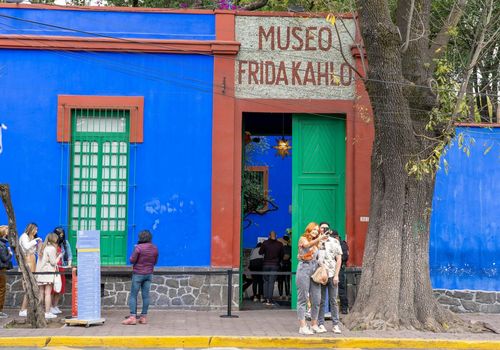
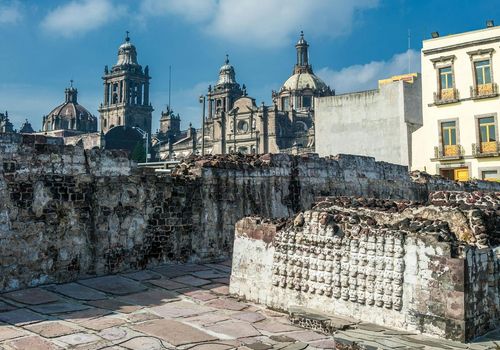
Tours & tickets via WeGoTrip — we may earn a commission, at no extra cost to you.
Frequently asked questions
What is the best month to visit Mexico City?
What is the worst time to visit Mexico City?
When is the rainy season in Mexico City?
How many days do you need in Mexico City?
Is Mexico City safe for tourists?
Should I visit Mexico City or Cancun?
When is the cheapest time to visit Mexico City?
Keep planning
Plan your Mexico trip
Sources
Every claim on this page is backed by an authoritative source. Atlas Ranger synthesizes data from multiple references so you can see exactly where each fact came from.
- CDMX Travel (Official Mexico City tourism)Used for: Official Mexico City tourism guidance, events calendar and neighbourhood information
- Open-Meteo Historical Climate Data (ERA5)Used for: Monthly temperature, rainfall and sunshine averages (Benito Juárez, 2020–2024)
- U.S. State Department Mexico Travel AdvisoryUsed for: Independent safety assessment and state-by-state advisory reference
- CONAGUA — Servicio Meteorológico NacionalUsed for: National climate normals and rainy-season onset cross-reference