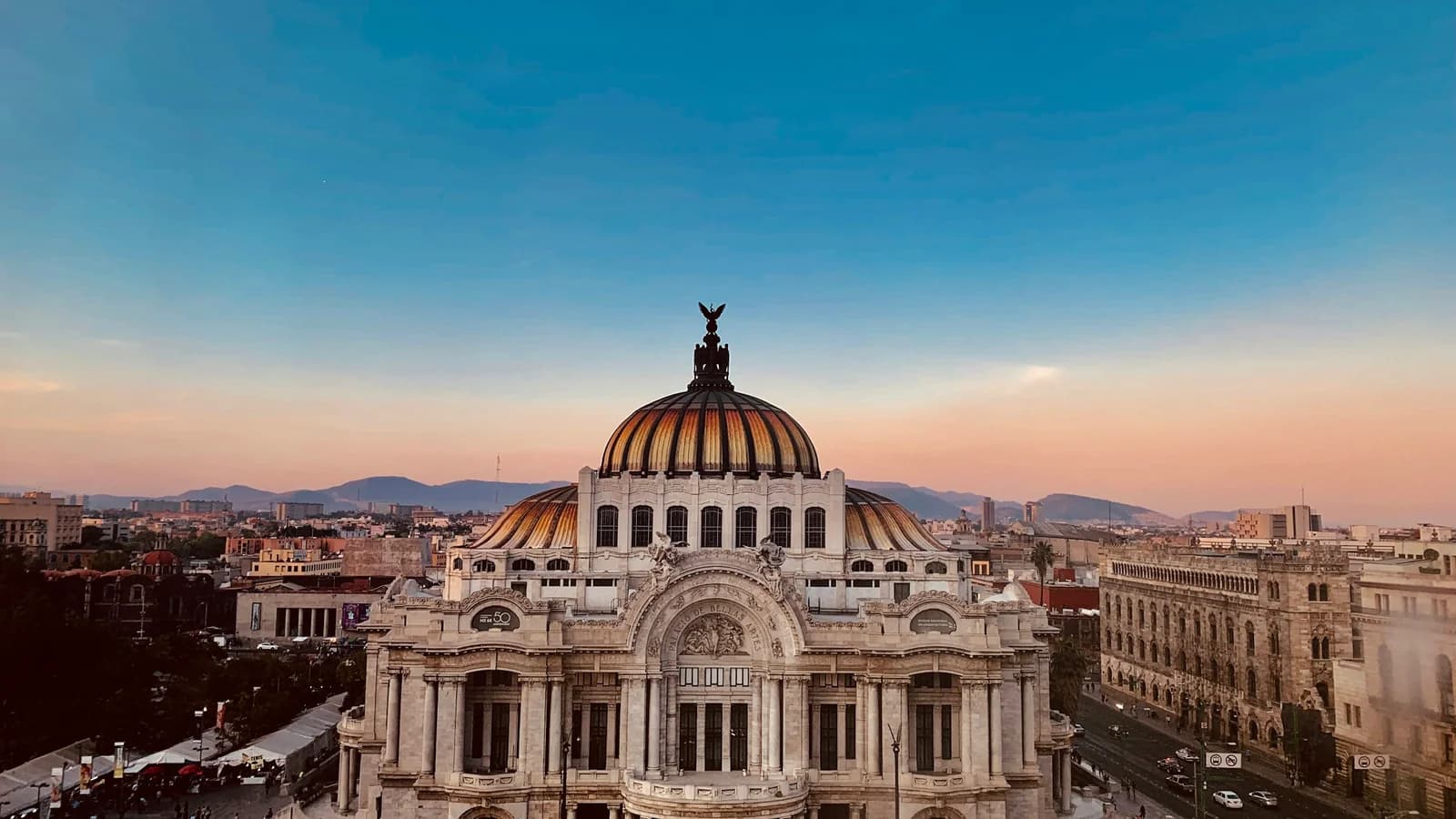

 Trip.com









The wettest stretch: July and August
If your trip depends on dry, predictable afternoons, the months to be wary of are June through September — the rainy season — and the low point is July and August. Rainfall peaks at roughly 234mm in July and 252mm in August, the heaviest of the year, delivered as near-daily afternoon and evening thunderstorms. Because the city sits high at 2,240 metres, temperatures stay mild even now (highs around 23°C), so the issue is never heat — it is the storms, the cloud cover and the loss of those long, bright, sun-baked afternoons that the dry season is known for.
What actually goes wrong — and what doesn't
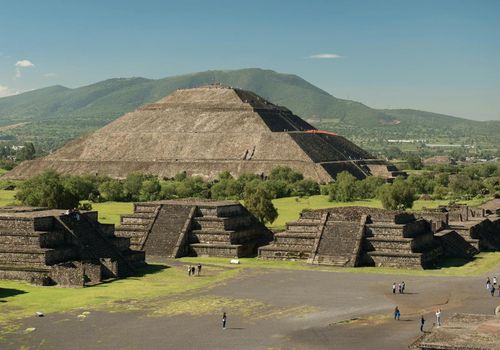
It is worth being precise, because the rainy season is far gentler than the rainfall numbers suggest. It rarely rains all day. The reliable pattern is bright, warm mornings that cloud over through the day, then a heavy thunderstorm in the late afternoon or evening that often clears by night. So what suffers is not the whole day — it is the afternoon. Outdoor plans, rooftop terraces and the Teotihuacán day trip become a gamble after about 2pm, streets can flood briefly during the heaviest downpours, and the mountain-clear air of the dry months gives way to greyer, wetter skies.
The other “worst” time: peak crowds and prices
Weather is only half the story. The genuinely tough time to book is Día de Muertos (October 31 to November 2), when the city throws its signature celebration and demand explodes. The weather is usually lovely by then, but flights and hotels fill and prices climb to their annual peak — wonderful if you have planned months ahead, frustrating if you have not. The same caution applies to the Christmas–New Year window. If crowds and cost are what you most want to avoid, these dates matter as much as the July rains.
Why the rainy season still works for many travellers
Here is why “worst” deserves an asterisk. The morning-bright, afternoon-stormy rhythm is so dependable that you can plan around it: front-load sightseeing into the mornings, keep afternoons flexible for museums, markets, long lunches or a siesta, and carry a compact umbrella. The reward is a city at its lush, green best, far fewer crowds than the dry-season peaks, and the lowest prices of the year. September even layers on the patriotic spectacle of Independence Day around the Zócalo. For rain-tolerant, early-rising travellers, it can be the smart-value season rather than one to dodge.
How to sidestep the worst of it
If you want to keep some of the off-peak value while dodging the wettest weeks, aim for the season's edges. May stays warm and very sunny with only the first scattered storms, and October is the turning point — rainfall drops sharply to around 92mm as the dry season returns and the festive run-up to Día de Muertos begins. Both shoulder months dodge the July–August downpours while keeping prices below the dry-season prime. Whatever you pick, remember the altitude: take day one slowly, hydrate and let your body adjust to the thin air.
The honest verdict
The weakest weather window is July and August, the wettest months, followed by the broader June–September rainy season — though sunny mornings keep even these months workable for early starters. The hardest dates to book are the Día de Muertos and Christmas peaks. For the opposite end of the calendar, see the best time to visit Mexico City, or chase the off-season savings on the cheapest time to visit Mexico City guide. Not sure the capital is your match this month? See where to go this month instead.
Your Mexico City cheat sheet
One email with the whole year in it — and the questions that actually change a trip there, answered.
- All 12 months scored 0–100
- The months to skip, and when it turns good again
- The questions that change the plan, answered
- Plus the Travel Timing Calendar 2027: every destination, every month (PDF)
We'll email you your cheat sheet with the Travel Timing Calendar, plus occasional travel-timing guides. Unsubscribe anytime; see our privacy policy.
The year at a glance
Twelve months, three seasons
Each cell is one month. Lemon means peak, sky means shoulder, gray means avoid. The outlined cell is the current month.
Atlas Ranger Score · proprietary
When Mexico City scores best, month by month
Our transparent 0–100 score blends weather comfort, crowds, value and festivals into one number per month. How it's calculated →
- Best monthApril 87
- Best valueFebruary 96 off-peak
- ToughestJuly 65
See how Mexico City ranks against every destination on the Best Time to Travel leaderboard →
Explore the map
Every city, every month
Drag the month scrubber, hover any city, read the headline for that window.
Storms near Mexico City right now
- Hurricane Trudy660km SSW of here, winds 105ktJoint Typhoon Warning Center →
Mexico vs Nearby Destinations
vs Cancun
Pick Mexico City for culture: museums, pyramids, markets and a legendary food scene in a mild highland capital. Pick Cancun for Caribbean beaches, resorts and warm-sea swimming. One is urban exploring on foot; the other is sun, sand and all-inclusive ease — different trips entirely, not really competitors.
vs Cabo San Lucas
Pick Mexico City for depth — history, neighbourhoods, art and dining at altitude, ideal in the dry November–April window. Pick Cabo San Lucas for desert-meets-sea resorts, marinas, golf and Pacific beaches. Culture-and-streets versus polished resort relaxation; choose by the kind of days you want, not the weather alone.
Airport transfers, money, water, connectivity and which areas to stay in are covered once, on the Mexico City best-time guide.
Things to do in Mexico City
Self-guided tours and skip-the-line tickets you can book ahead.


Tours & tickets via WeGoTrip — we may earn a commission, at no extra cost to you.
Frequently asked questions
What is the best month to visit Mexico City?
What is the worst time to visit Mexico City?
When is the rainy season in Mexico City?
How many days do you need in Mexico City?
Is Mexico City safe for tourists?
Should I visit Mexico City or Cancun?
When is the cheapest time to visit Mexico City?
Keep planning
Plan your Mexico trip
Sources
Every claim on this page is backed by an authoritative source. Atlas Ranger synthesizes data from multiple references so you can see exactly where each fact came from.
- CDMX Travel (Official Mexico City tourism)Used for: Official Mexico City tourism guidance, events calendar and neighbourhood information
- Open-Meteo Historical Climate Data (ERA5)Used for: Monthly temperature, rainfall and sunshine averages (Benito Juárez, 2020–2024)
- U.S. State Department Mexico Travel AdvisoryUsed for: Independent safety assessment and state-by-state advisory reference
- CONAGUA — Servicio Meteorológico NacionalUsed for: National climate normals and rainy-season onset cross-reference