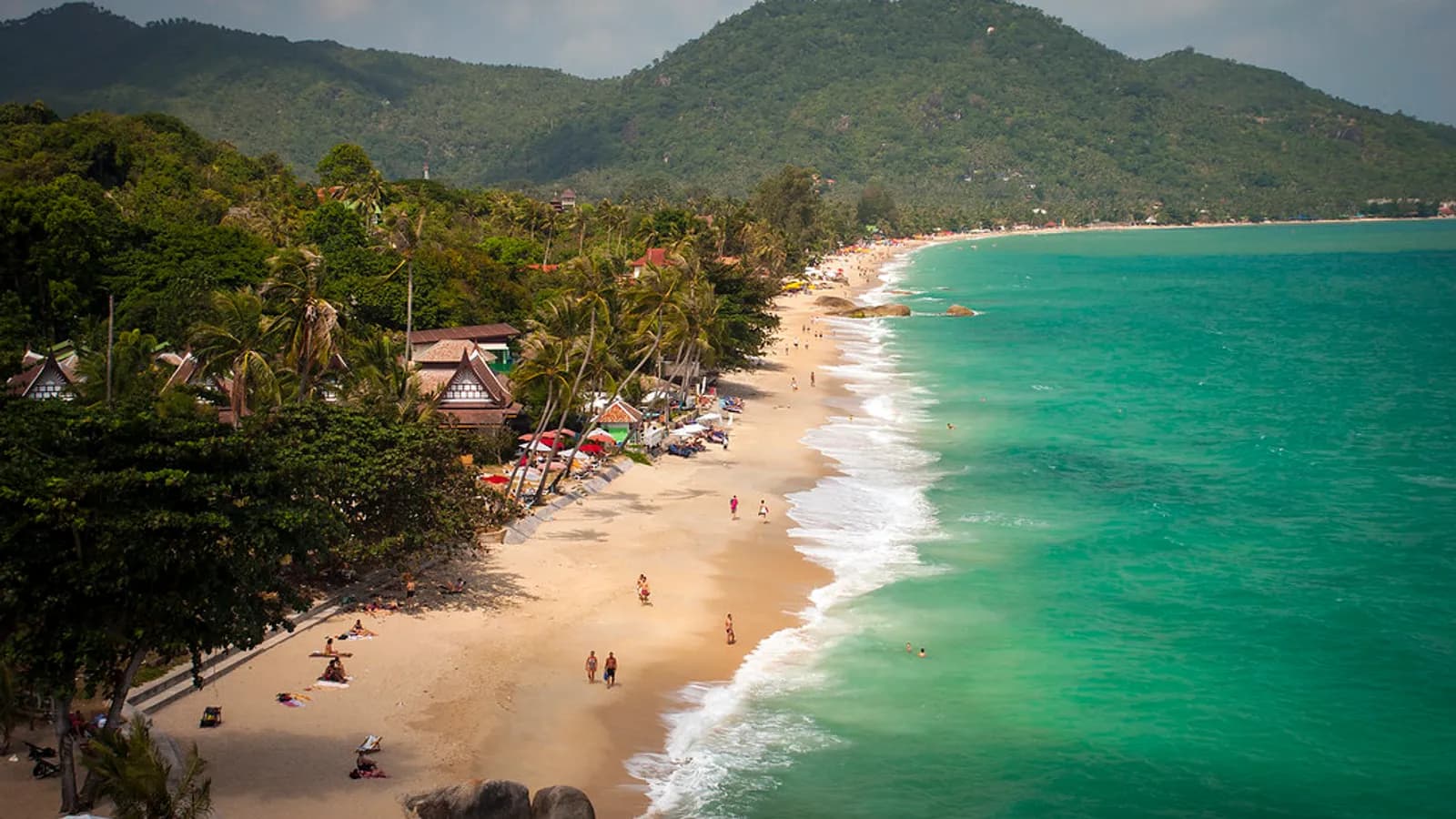
November is the worst single month — Koh Samui's monsoon, not Phuket's
Koh Samui sits on the Gulf of Thailand coast, which runs the OPPOSITE monsoon cycle to the Andaman coast (Phuket, Krabi). This is the most expensive Thailand planning mistake travelers make: assuming "Thailand dry season = good for all Thailand beaches". Wrong. November is Koh Samui's peak monsoon, while Phuket is at peak dry. Same week, two beach destinations 700km apart with opposite weather.
Koh Samui's wet window is roughly October through December, peaking sharply in November (the rainfall data shows this clearly on the seasonality map above).
What the November peak actually looks like
- Multi-day storm events (not the SE Asia "afternoon storm" pattern — actual day-after-day rain)
- Boat trips to Koh Phangan / Koh Tao cancel routinely
- Snorkeling visibility drops to near-zero on the east coast
- Some smaller resorts close entirely Nov–early Dec
- Ferry from mainland (Surat Thani / Donsak) runs disrupted schedules
The west and south coasts (Lipa Noi, Taling Ngam) get less direct monsoon impact than the east coast (Chaweng, Lamai) — worth knowing if your dates are locked.
Crowd peaks worth avoiding
- Christmas + New Year (Dec 22 – Jan 5) — Western tourist surge combined with monsoon recovery. Hotels at peak prices, weather still unpredictable. Bad value combination.
- Full Moon Party (monthly)— Koh Phangan's Full Moon Party drives day-trip + ferry traffic from Koh Samui every month. Less impactful for Samui itself but worth noting.
- Songkran (April 13–15) — Thai New Year. Smaller impact on Samui than Bangkok / Chiang Mai but ferry + flight prices spike.
If your dates are locked in Nov
- Switch to Andaman — Phuket, Krabi, Phi Phi are at peak dry conditions in November. Same Thailand-beach experience, different coast.
- Stay west-coast Samui — Lipa Noi or Taling Ngam get less direct monsoon impact than Chaweng / Lamai. Expect daily rain windows but more usable beach time.
- Pivot inland— Khao Sok jungle floating bungalows are at peak greenery and Khao Sok's rainfall pattern is more "afternoon storm" than "multi-day system".
For the full positive picture, see our best time to visit Koh Samui guide.
Your Koh Samui cheat sheet
One email with the whole year in it — and the questions that actually change a trip there, answered.
- All 12 months scored 0–100
- The months to skip, and when it turns good again
- The questions that change the plan, answered
- Plus the Travel Timing Calendar 2027: every destination, every month (PDF)
We'll email you your cheat sheet with the Travel Timing Calendar, plus occasional travel-timing guides. Unsubscribe anytime; see our privacy policy.
The year at a glance
Twelve months, three seasons
Each cell is one month. Lemon means peak, sky means shoulder, gray means avoid. The outlined cell is the current month.
Atlas Ranger Score · proprietary
When Koh Samui scores best, month by month
Our transparent 0–100 score blends weather comfort, crowds, value and festivals into one number per month. How it's calculated →
- Best monthMarch 83
- Best valueApril 75 off-peak
- ToughestNovember 56
See how Koh Samui ranks against every destination on the Best Time to Travel leaderboard →
Explore the map
Every city, every month
Drag the month scrubber, hover any city, read the headline for that window.
Conditions right now
Right now in Koh Samui: 28°C, drizzle, air quality good (US AQI 40), sea 31°C.
Updated Oct 7, 9:15 AM · Live data from Open-Meteo
Thailand vs Nearby Destinations
vs Phuket
Opposite monsoon seasons — Phuket is wet May–October, Samui is wet October–December. Pick Phuket for nightlife, more flight options, bigger resorts. Pick Samui for boutique hotels, calmer beaches, and a quieter scene. If your dates are October–November, Phuket; if May–October, Samui.
vs Koh Phangan
Pick Koh Phangan for the Full Moon Party scene or yoga retreats — it's quieter than Samui apart from party week. Pick Samui for a more polished resort base. Many travelers do both: 4 nights Samui + 2–3 nights Koh Phangan. They're a 30-minute ferry apart.
vs Krabi
Krabi (Andaman coast) has the dramatic limestone karsts and is the launchpad for Phi Phi Islands. Samui has the Gulf-coast beaches and easier ferry connections to Koh Phangan and Koh Tao. Pick Krabi for adventure and scenery; pick Samui for relaxation and boutique resorts.
Airport transfers, money, water, connectivity and which areas to stay in are covered once, on the Koh Samui best-time guide.
Thailand in pictures
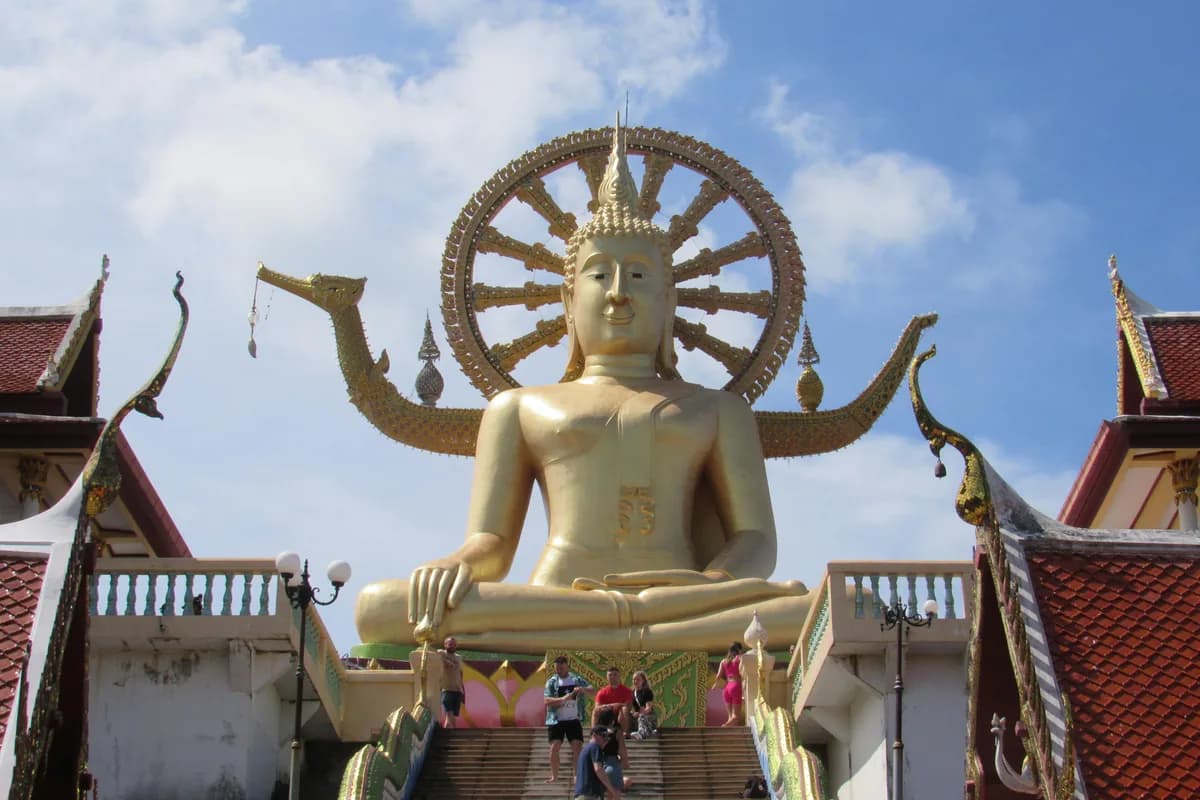
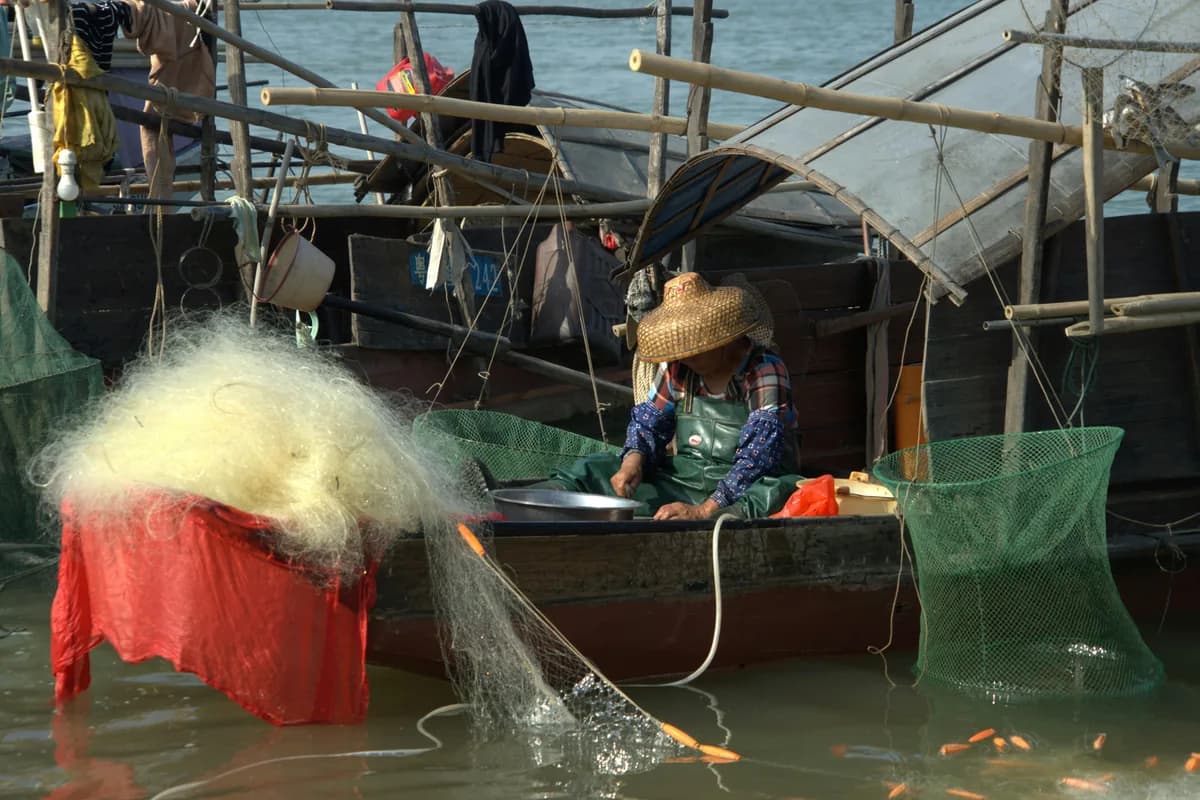
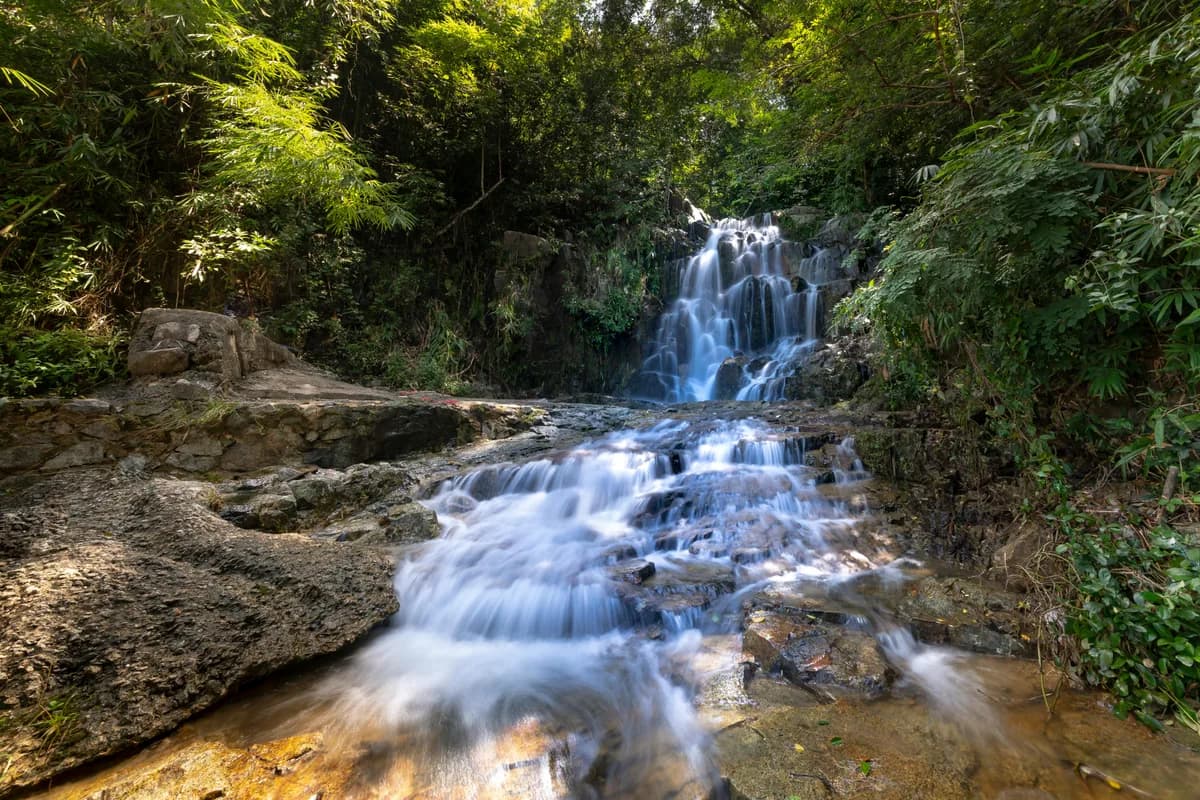
Frequently asked questions
What is the best month to visit Koh Samui?
What is the worst month to visit Koh Samui?
When is the rainy season in Koh Samui?
How many days do you need in Koh Samui?
Is Koh Samui safe for tourists?
Should I visit Koh Samui or Phuket?
When is the cheapest time to visit Koh Samui?
Keep planning
Plan your Thailand trip
Sources
Every claim on this page is backed by an authoritative source. Atlas Ranger synthesizes data from multiple references so you can see exactly where each fact came from.
- Tourism Authority of Thailand (TAT)Used for: Official Thailand tourism guidance, festival timing, regional information
- Open-Meteo Historical Climate Data (ERA5)Used for: Monthly temperature, rainfall, sunshine averages (2020–2024)
- U.S. State Department Thailand Travel AdvisoryUsed for: Independent safety assessment + entry requirement reference
- Thai Meteorological Department (TMD)Used for: Thailand's national meteorological service — Gulf vs Andaman monsoon timing