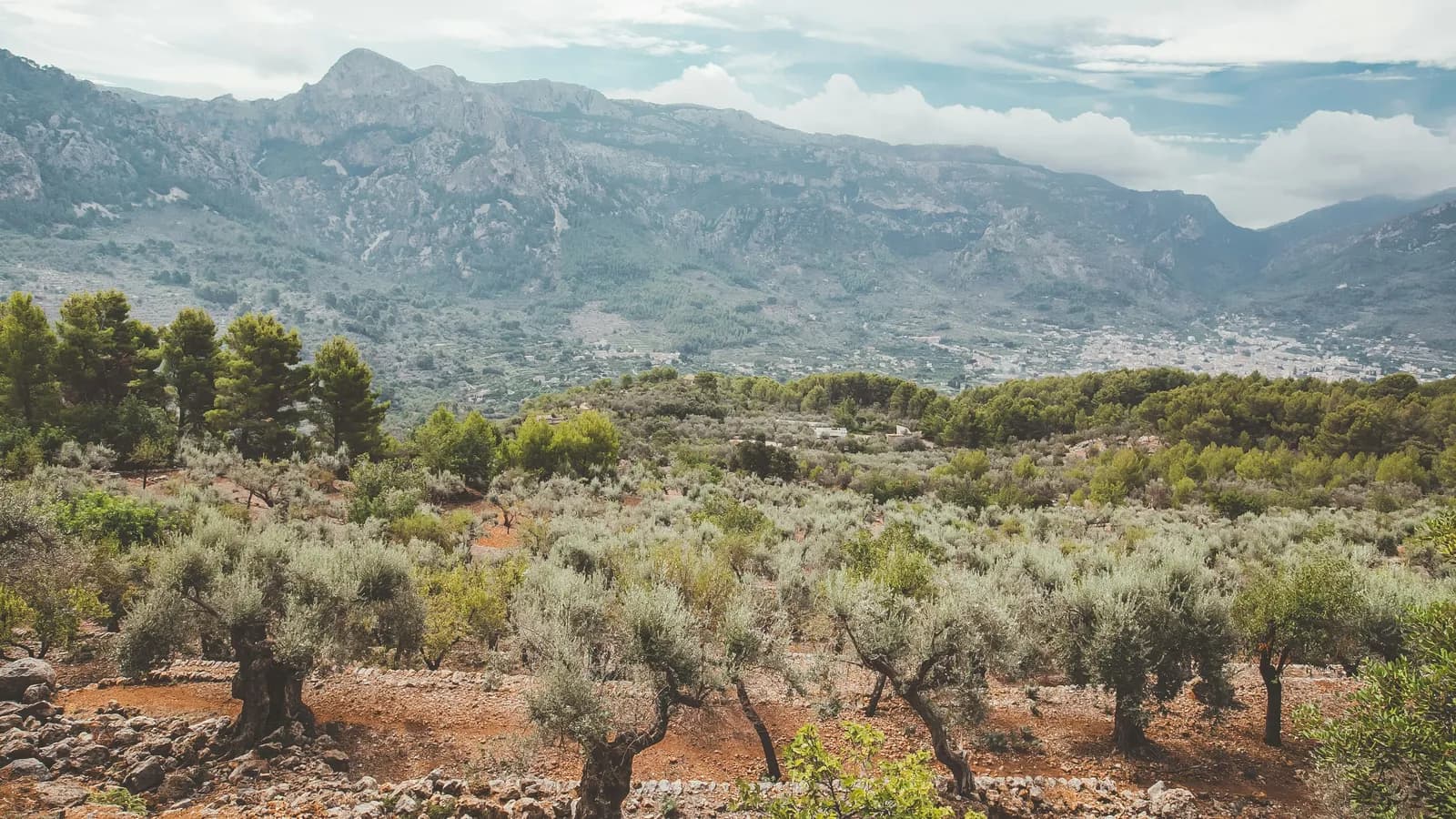
August is the worst for crowds and cost
In Mallorca, August is hot and settled (32°C highs, 34mm of rain for the month), and that's why Northern European tourism converges on the island for those 4–6 weeks. The result is a perfect storm of crush:
- Hotel prices double or triple from June
- Cala beaches at full capacity by 9am — Cala Mondragó, Es Trenc, Cala Agulla all run out of space
- Tramuntana mountain roads gridlock — Sa Calobra one-way descent can take 90 minutes vs 30 in shoulder
- Restaurant reservations 1–2 weeks ahead in Soller, Deià, Pollensa
- Hire car prices €100+/day for basic compacts
- Wildfire risk — Spain's recent summer wildfire seasons have closed some Tramuntana hiking trails for weeks
The flip side: this IS when Mallorca looks the best on Instagram. If you don't mind crowds and price isn't a concern, August delivers the postcard.
November through March: the worst time for a beach trip
Mallorca runs on a shorter season than mainland Spain — most beach venues, beach clubs, and small coastal restaurants close from November until around Easter. November is the single worst month for a beach trip: the wettest of the year (81mm), and the month the resort hotels shut. Some specific shutdowns:
- South-coast resorts (Magaluf, Palma Nova) effectively close — many hotels shutter
- Coastal restaurants outside Palma cut hours dramatically or close
- Tramuntana hiking still works (cool weather is actually ideal) but villages quieter
- Train to Soller continues but reduced schedule
Palma de Mallorca city stays year-round functional — cathedral tours, museums, Old Town restaurants all operate normally. A Palma-only city break in winter works fine. A Mallorca beach trip in winter doesn't.
The cyclist exception (Nov–Feb)
Cycling on Mallorca's Tramuntana coast is a year-round sport, and November through February is actually peak season for serious cyclists— pro teams hold winter training camps here. Cool but mild daytime highs (16–19°C) and empty roads. November is wet (81mm), but December to February is drier, at 37–53mm a month. If you're a cyclist, this is anti-worst — it's the smartest time of year for you.
Crowd peaks worth avoiding
- August bank holiday (Aug 15) — peak surge weekend. Wedding season also peaks. Hotels and restaurants book solid weeks ahead.
- July German bank holidays — Mallorca skews heavily German; various Bundesländer school holidays drive surge weeks.
- UK summer half-term (late May–early June) — secondary surge.
If your dates are locked in August
- Stay in the Tramuntana — Soller, Deià, Valldemossa hotels (mountain side, not coast). Cooler, less crowded, drives down to coast for beach time.
- Beach early or late — calas before 10am and after 5pm are markedly emptier. Take a long lunch break in air-conditioned restaurants during the 12–4pm peak heat-and-crowd window.
- Skip the southwest (Magaluf, Palma Nova) — peak party tourism overlap.
For the full positive picture, see our best time to visit Mallorca guide.
Your Mallorca cheat sheet
One email with the whole year in it — and the questions that actually change a trip there, answered.
- All 12 months scored 0–100
- The months to skip, and when it turns good again
- The questions that change the plan, answered
- Plus the Travel Timing Calendar 2027: every destination, every month (PDF)
We'll email you your cheat sheet with the Travel Timing Calendar, plus occasional travel-timing guides. Unsubscribe anytime; see our privacy policy.
The year at a glance
Twelve months, three seasons
Each cell is one month. Lemon means peak, sky means shoulder, gray means avoid. The outlined cell is the current month.
Atlas Ranger Score · proprietary
When Mallorca scores best, month by month
Our transparent 0–100 score blends weather comfort, crowds, value and festivals into one number per month. How it's calculated →
- Best monthJune 84
- Best valueOctober 89 off-peak
- ToughestNovember 71
See how Mallorca ranks against every destination on the Best Time to Travel leaderboard →
Explore the map
Every city, every month
Drag the month scrubber, hover any city, read the headline for that window.
Conditions right now
Right now in Mallorca: 23°C, rain showers, air quality good (US AQI 48), sea 26°C.
Updated Oct 7, 4:15 AM · Live data from Open-Meteo
Spain vs Nearby Destinations
vs Ibiza
Pick Ibiza for nightlife and beach-club culture; pick Mallorca for everything else — family holidays, hiking, cycling, mountain villages, broader beach variety, year-round Palma. Most travelers visit Mallorca first; Ibiza is a more specific, narrower trip.
vs Menorca
Menorca is Mallorca's smaller, quieter sister — UNESCO Biosphere Reserve, undeveloped beaches, the Camí de Cavalls coastal path. Pick Menorca for the calmest Balearic experience; pick Mallorca for variety. They're a 30-minute flight apart, so a 10-day trip can cover both.
Airport transfers, money, water, connectivity and which areas to stay in are covered once, on the Mallorca best-time guide.
Things to do in Mallorca
Self-guided tours and skip-the-line tickets you can book ahead.
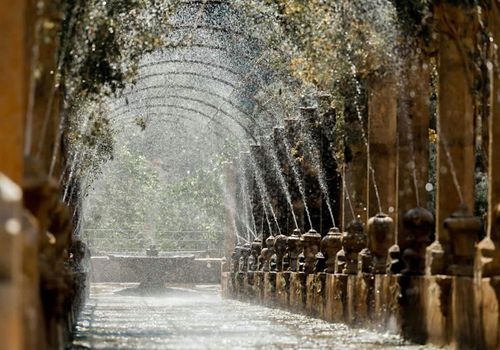

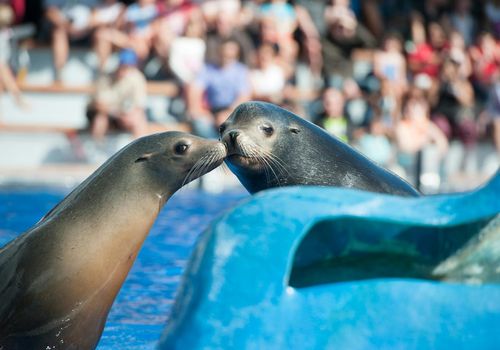
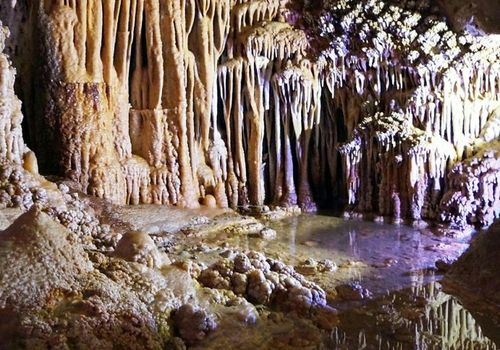
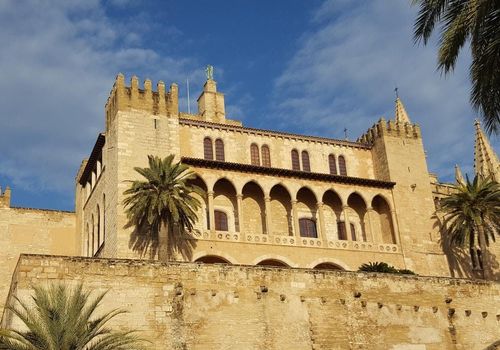

Tours & tickets via WeGoTrip — we may earn a commission, at no extra cost to you.
Spain in pictures
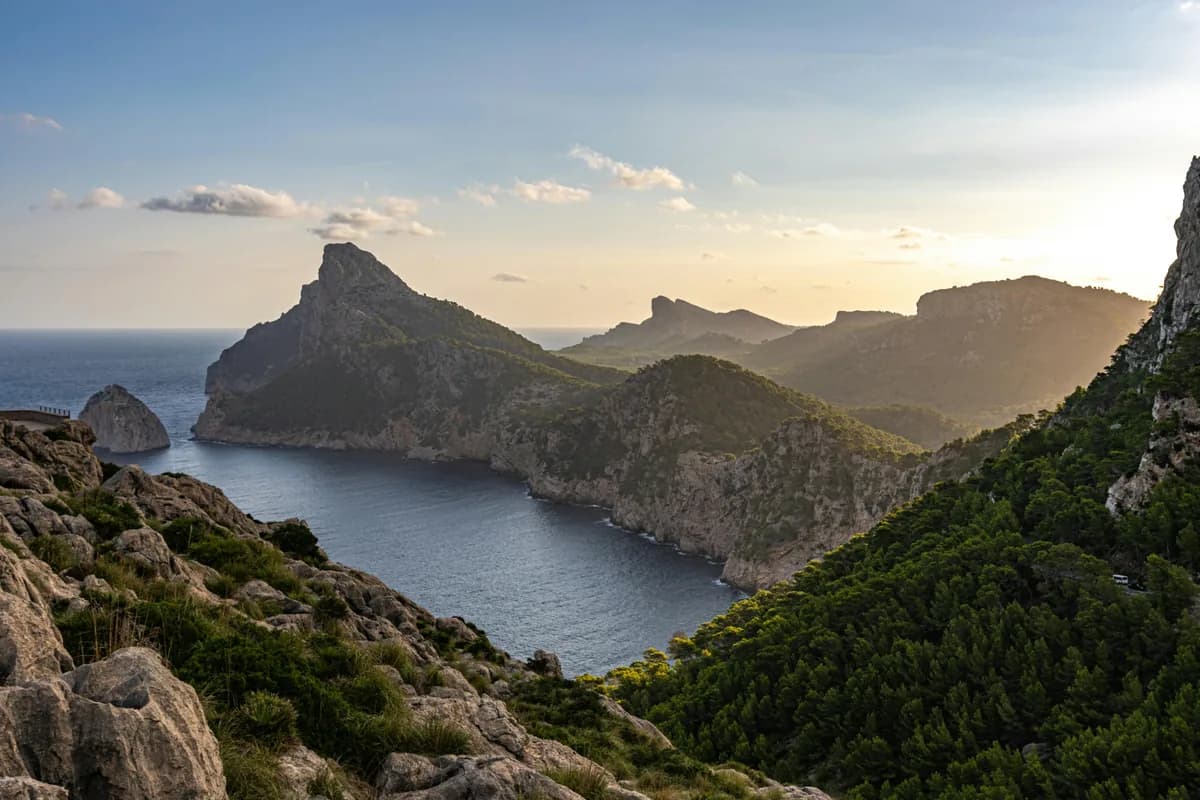
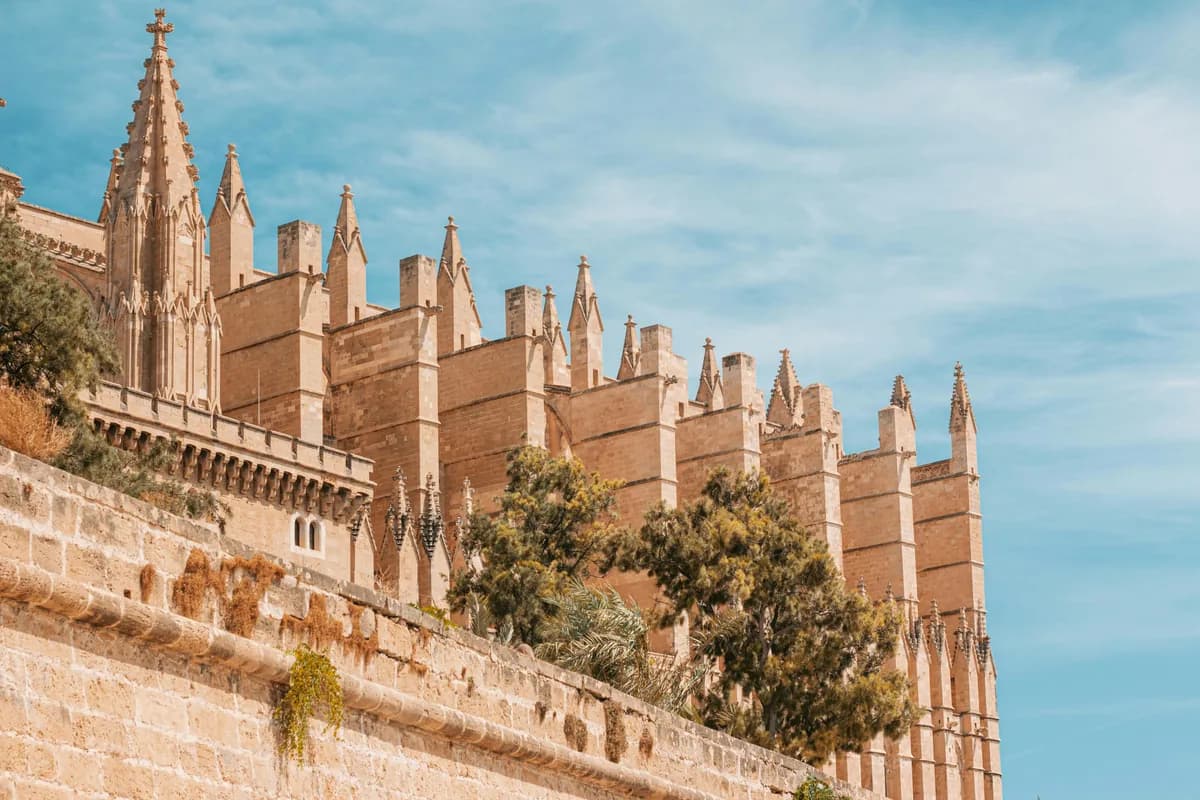
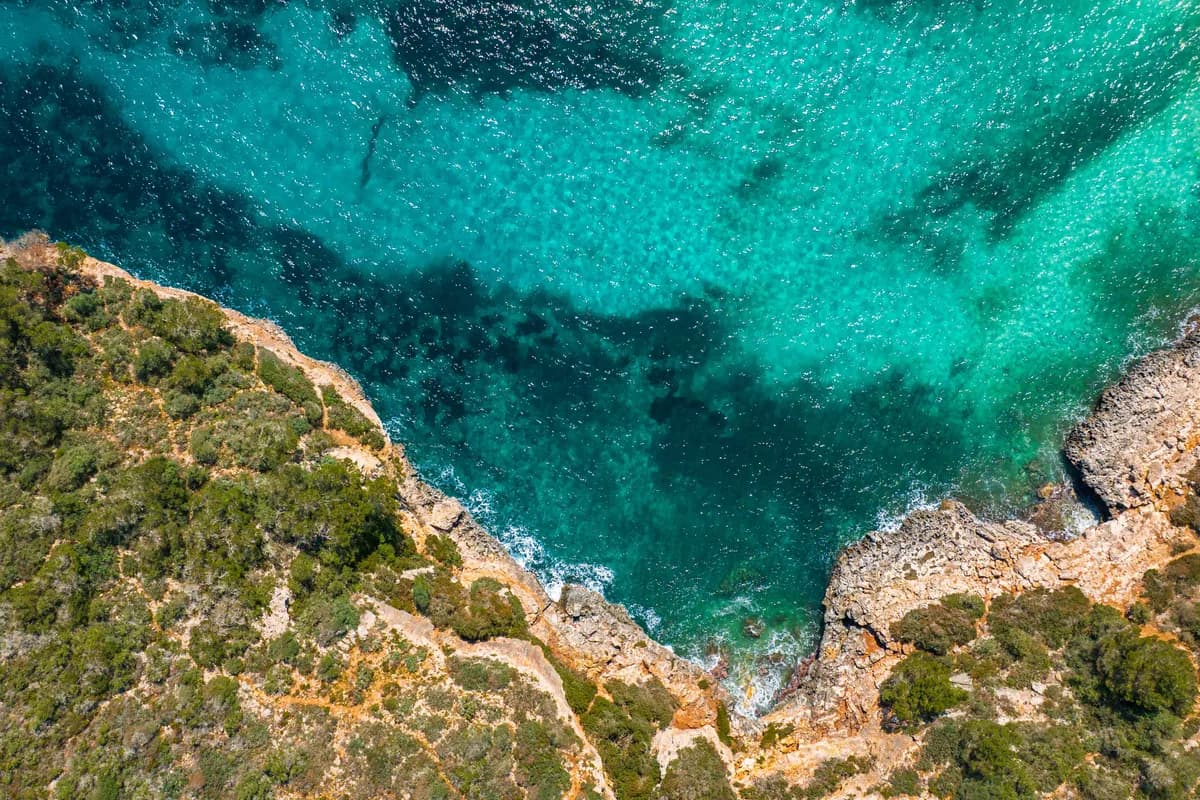
Frequently asked questions
What is the best month to visit Mallorca?
What is the worst month to visit Mallorca?
When is the rainy season in Mallorca?
How many days do you need in Mallorca?
Is Mallorca safe for tourists?
Should I visit Mallorca or Ibiza?
When is the cheapest time to visit Mallorca?
Keep planning
Plan your Spain trip
Sources
Every claim on this page is backed by an authoritative source. Atlas Ranger synthesizes data from multiple references so you can see exactly where each fact came from.
- Illes Balears Tourism (Official Balearic government)Used for: Official Balearic Islands tourism guidance, festival timing, regional information
- Open-Meteo Historical Climate Data (ERA5)Used for: Monthly temperature, rainfall, sunshine averages (2020–2024)
- U.S. State Department Spain Travel AdvisoryUsed for: Independent safety assessment + entry requirement reference
- AEMET (Agencia Estatal de Meteorología)Used for: Spain's national meteorological service — climate normals cross-reference