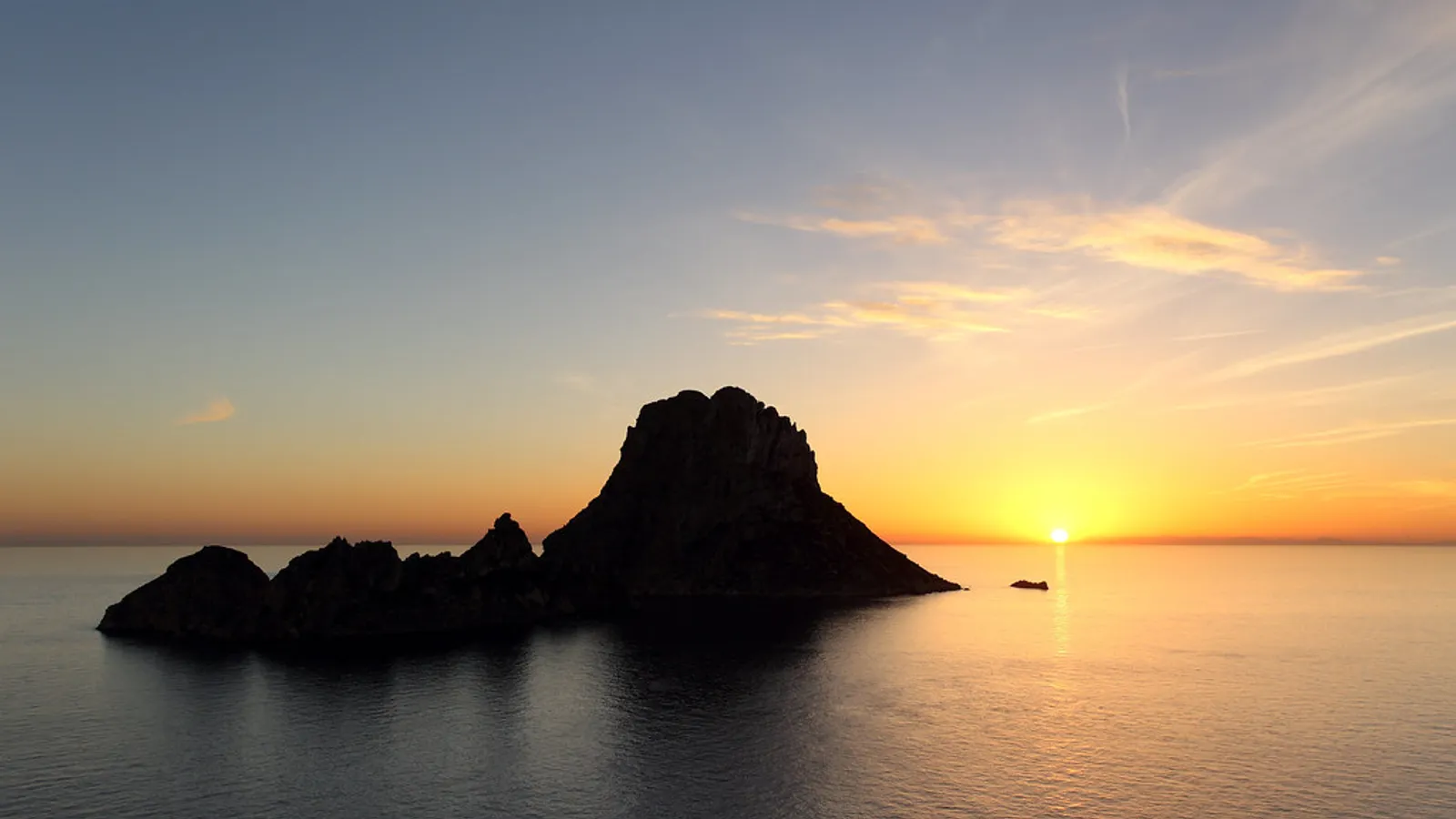
Off-season Ibiza is cheap but the scene is gone
Ibiza's cheapest stretch is November through March, when the entire beach-and-club ecosystem closes. Hotels in the Old Town drop 50–60% from peak August. Flights from northern Europe halve. The catch: there's very little to actually do — clubs closed, sunset strip closed, most beach restaurants closed, Formentera ferries reduced.
If you want the actual island experience for less, target the SHOULDER windows where the scene is open but prices haven't hit August peak.
The two smartest price-to-scene windows
- June— clubs all open by mid-month (DC10 and most beach clubs earlier), opening parties wrap, but August surge hasn't hit. Hotels at 50% of August prices. Beach water has warmed. Likely the single best month for value+experience on Ibiza.
- Late September — closing parties happen mid-Sept to early Oct but pricing softens fast through the month. Last 10 days of September often deliver peak weather + half the August crowds + 30% lower prices.
What "cheap" actually looks like on the island
- Mid-range hotel Ibiza Town — Aug €280–450, Jun €140–230 (~50% off)
- 4-star Playa d'en Bossa — Aug €350–600, Jun €180–300 (~50% off)
- Club entry (Pacha, Amnesia) — Aug €60–90, Jun €40–55 (~35% off)
- Beach club lounger Ushuaïa — Aug €80–150, Jun €50–90 (~40% off)
- Hire car (compact, 7 days) — Aug €450–700, Jun €220–340 (~50% off)
- Sit-down dinner Ibiza Old Town — €30–60 per person (basically flat)
- Formentera ferry round-trip — €40–55 (no real seasonality, but August queues +90 min)
Avoid the August surge
The price math is essentially binary: peak August costs 2–3× more than late June or late September for the same hotel, same club, same beach. Almost everyone who can shift their trip out of August saves enormously and gets a better experience.
The honest cheapest-time verdict
If you're cost-cutting and don't need the club scene: November–February. Year-round-low pricing. Functional Ibiza Town only.
If you want best value AND the actual Ibiza experience: June or late September. The full positive picture is in our best time to visit Ibiza guide.
Your Ibiza cheat sheet
One email with the whole year in it — and the questions that actually change a trip there, answered.
- All 12 months scored 0–100
- The low-price windows, and their trade-offs
- The questions that change the plan, answered
- Plus the Travel Timing Calendar 2027: every destination, every month (PDF)
We'll email you your cheat sheet with the Travel Timing Calendar, plus occasional travel-timing guides. Unsubscribe anytime; see our privacy policy.
The year at a glance
Twelve months, three seasons
Each cell is one month. Lemon means peak, sky means shoulder, gray means avoid. The outlined cell is the current month.
Atlas Ranger Score · proprietary
When Ibiza scores best, month by month
Our transparent 0–100 score blends weather comfort, crowds, value and festivals into one number per month. How it's calculated →
- Best monthJune 88
- Best valueOctober 90 off-peak
- ToughestJanuary 72
See how Ibiza ranks against every destination on the Best Time to Travel leaderboard →
Explore the map
Every city, every month
Drag the month scrubber, hover any city, read the headline for that window.
Conditions right now
Right now in Ibiza: 24°C, overcast, air quality moderate (US AQI 52), sea 26°C.
Updated Oct 7, 9:00 PM · Live data from Open-Meteo
Spain vs Nearby Destinations
vs Mallorca
Pick Mallorca for family holidays, hiking, and a broader experience — bigger island, mountains, quieter villages, beach variety. Pick Ibiza for nightlife and beach-club culture. They're a 30-minute flight apart, so for a longer Mediterranean trip, do both.
vs Formentera
Formentera is Ibiza's smaller, quieter sister — 30 minutes by ferry, no airport, no big clubs, Caribbean-grade beaches. Pick Formentera for a slow, beach-only stretch; pick Ibiza for the full island experience. Most Ibiza visitors day-trip to Formentera at least once.
Airport transfers, money, water, connectivity and which areas to stay in are covered once, on the Ibiza best-time guide.
Frequently asked questions
What is the best month to visit Ibiza?
What is the worst month to visit Ibiza?
When is the rainy season in Ibiza?
How many days do you need in Ibiza?
Is Ibiza safe for tourists?
Should I visit Ibiza or Mallorca?
When is the cheapest time to visit Ibiza?
Keep planning
Plan your Spain trip
Sources
Every claim on this page is backed by an authoritative source. Atlas Ranger synthesizes data from multiple references so you can see exactly where each fact came from.
- Illes Balears Tourism (Official Balearic government)Used for: Official Balearic Islands tourism guidance, festival timing, regional information
- Open-Meteo Historical Climate Data (ERA5)Used for: Monthly temperature, rainfall, sunshine averages (2020–2024)
- U.S. State Department Spain Travel AdvisoryUsed for: Independent safety assessment + entry requirement reference
- AEMET (Agencia Estatal de Meteorología)Used for: Spain's national meteorological service — climate normals cross-reference