
 Trip.com




 Klook
Klook







The cheapest months: September, then May and June
Cabo's prices track its weather almost perfectly: the dry, sunny high season commands a premium, and the hot, humid summer is heavily discounted. The single cheapest stretch is September, the wettest and most humid month and the peak of hurricane season — demand bottoms out and so do rates. Close behind are May and June, which offer a very different trade: still hot but bone-dry and sunny, after the whales and spring breakers have left but before the worst of the humidity arrives. So there are really two kinds of cheap in Cabo — the rock-bottom-but-risky September discount, and the sunny, lower-priced value of late spring.
The best value-for-weather: May and June
If you want most of the savings while keeping reliable sun, target May and June. May turns properly hot (32°C) but stays essentially rainless with maximum sunshine, and the sea has warmed nicely for swimming. June is similar — hot, very sunny, only light rain, and sitting right at the quiet edge of hurricane season before storm risk becomes meaningful. With the spring-break crowds gone and the summer humidity not yet entrenched, these two months give you near-peak weather at distinctly off-peak prices. For a sunny, good-value Cabo trip without the gamble, this is the sweet spot.
September: the deepest discount, with strings attached
Septemberis where the lowest prices live, but it asks for flexibility in return. It is the wettest month (around 98mm), the most humid, and the statistical peak of Pacific hurricane season, so there's a real chance a tropical system disrupts part of your trip. The flip side is a near-empty resort at the year's best rates, warm seas, and plenty of bright spells between storms. It suits travellers who watch the forecast, buy flexible bookings and travel insurance, and would rather pocket the savings than guarantee cloudless skies. If that's not you, the May–June value window is the safer bargain.
The most expensive time — and how to dodge it
The opposite of cheap is the Christmas and New Year holidays, when the December surge pushes rates to their annual peak just as whale season begins. The whole February–April high-season prime — spring break included — runs pricey too. If your heart is set on whales and guaranteed sun but not the premium, book those months as far ahead as you can, or shift to the November shoulder, which brings the same dry, settled weather (and the first whales) before the holiday spike fully lands.
Ways to spend less, whatever the month
- Base yourself in San José del Cabo. The colonial old town tends to be gentler on the wallet than the marina and the resort corridor, with a calmer pace, an art district and the airport close by.
- Pay in pesos and carry cash. US dollars are accepted everywhere, but you usually get a better rate paying in Mexican pesos, and small vendors and taxis prefer them.
- Sort transport and tickets in advance. Pre-book an airport transfer to skip the aggressive timeshare touts at arrivals, agree taxi fares before you set off (rides are unmetered), and weigh a rental car if you plan day trips to Todos Santos or the East Cape.
For the full month-by-month picture, see the best time to visit Cabo San Lucas, and read up on what the discount really costs you on the worst time to visit Cabo San Lucasguide. Not sure Cabo is the month's best bet? See where you should go this month.
Your Cabo San Lucas cheat sheet
One email with the whole year in it — and the questions that actually change a trip there, answered.
- All 12 months scored 0–100
- The low-price windows, and their trade-offs
- The questions that change the plan, answered
- Plus the Travel Timing Calendar 2027: every destination, every month (PDF)
We'll email you your cheat sheet with the Travel Timing Calendar, plus occasional travel-timing guides. Unsubscribe anytime; see our privacy policy.
The year at a glance
Twelve months, three seasons
Each cell is one month. Lemon means peak, sky means shoulder, gray means avoid. The outlined cell is the current month.
Atlas Ranger Score · proprietary
When Cabo San Lucas scores best, month by month
Our transparent 0–100 score blends weather comfort, crowds, value and festivals into one number per month. How it's calculated →
- Best monthMarch 87
- Best valueJune 75 off-peak
- ToughestSeptember 63
See how Cabo San Lucas ranks against every destination on the Best Time to Travel leaderboard →
Explore the map
Every city, every month
Drag the month scrubber, hover any city, read the headline for that window.
Storms near Cabo San Lucas right now
- Hurricane Simon180km S of here, winds 30ktJoint Typhoon Warning Center →
- Hurricane Trudy720km SE of here, winds 85ktJoint Typhoon Warning Center →
Mexico vs Nearby Destinations
vs Cancun
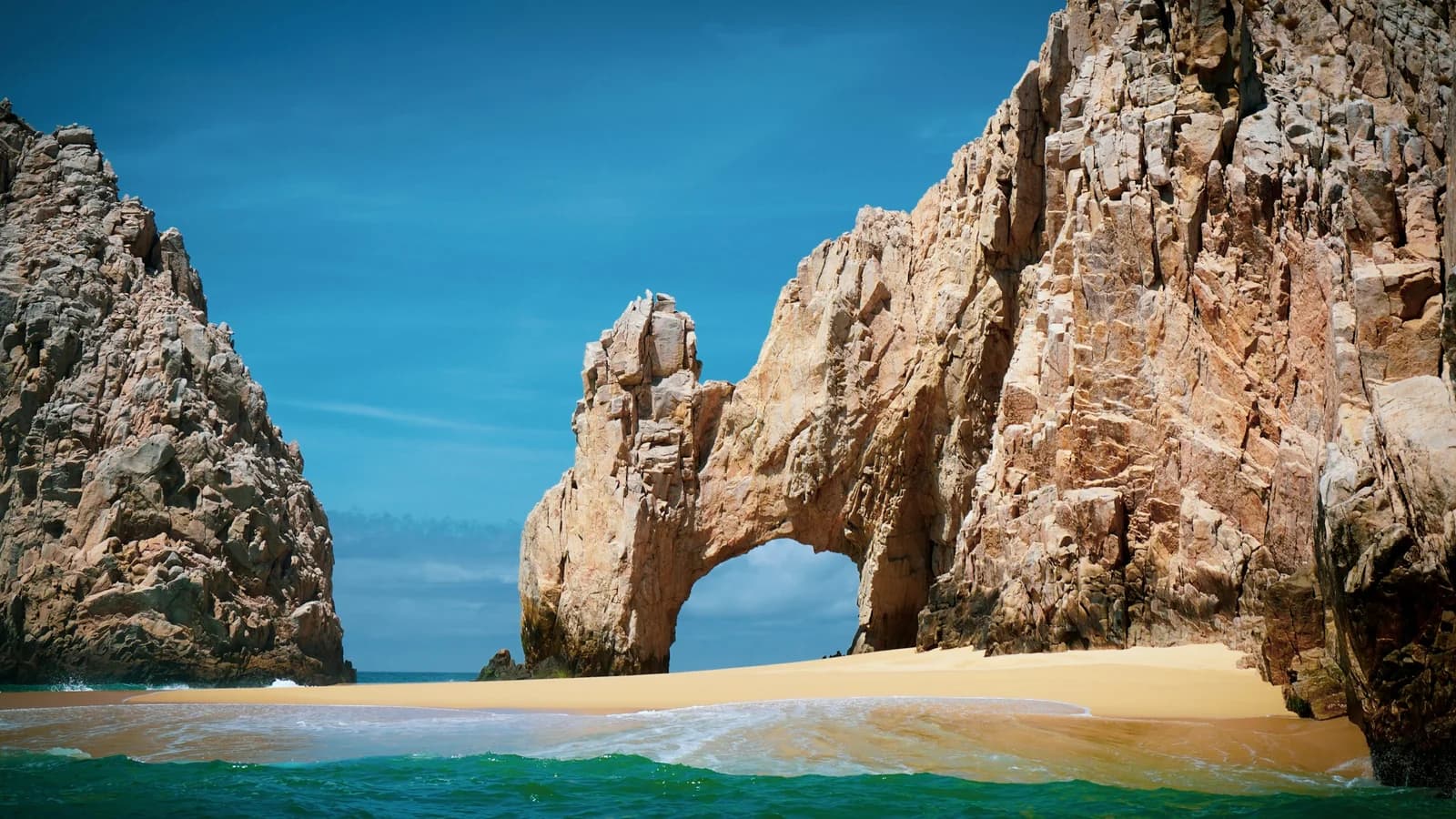
Pick Cabo for Pacific drama — desert cliffs, the Arch, whale-watching and a high-energy marina, accepting that many beaches are too rough to swim. Pick Cancun for the Caribbean: calm turquoise water, soft swimmable sand, reef snorkelling and easy day trips to Maya ruins and cenotes.
vs Mexico City
Pick Cabo for a beach-and-water escape: sun, whales, fishing and resort downtime on the Baja coast. Pick Mexico City for a culture-packed urban trip — world-class museums, ancient pyramids, markets and a celebrated food scene, all at high altitude and far from the sea. They scratch entirely different itches.
Airport transfers, money, water, connectivity and which areas to stay in are covered once, on the Cabo San Lucas best-time guide.
Frequently asked questions
What is the best month to visit Cabo San Lucas?
What is the worst time to visit Cabo San Lucas?
When is the rainy season in Cabo San Lucas?
How many days do you need in Cabo San Lucas?
Is Cabo San Lucas safe for tourists?
Is Cabo San Lucas or Cancun better?
When is the cheapest time to visit Cabo San Lucas?
Keep planning
Plan your Mexico trip
Sources
Every claim on this page is backed by an authoritative source. Atlas Ranger synthesizes data from multiple references so you can see exactly where each fact came from.
- Visit Los Cabos (Official tourism board)Used for: Official Los Cabos tourism guidance, seasons, whale-watching and event information
- Open-Meteo Historical Climate Data (ERA5)Used for: Rainfall and sunshine averages (Cabo San Lucas, 5-year normals); temperatures from the SMN Cabo San Lucas station normals (1991-2020)
- U.S. State Department Mexico Travel AdvisoryUsed for: Independent safety assessment for Baja California Sur and entry requirements
- U.S. National Hurricane Center — Eastern PacificUsed for: Pacific hurricane-season dates and tropical-storm risk window cross-reference